Illinois Bundleflower Seeds (Desmanthus illinoensis) - Native Wildflower
- Free delivery on orders over $50
- In stock, ready to ship
- Inventory on the way
Elegant Prairie Legume - Illinois Bundleflower
Illinois Bundleflower (Desmanthus illinoensis) is a remarkable native perennial that combines delicate beauty with exceptional ecological value. This prairie legume features stunning fern-like foliage and unique white puffball flowers, making it both an ornamental treasure and a vital component of sustainable landscapes.
🌿 Key Benefits:
- Nitrogen Fixer: Legume that enriches soil naturally, reducing fertilizer needs
- Drought Champion: Deep taproot provides exceptional drought tolerance
- Wildlife Value: Seeds feed quail, doves, and songbirds; foliage supports native insects
- Unique Foliage: Compound leaves fold at night and during hot days to conserve moisture
- Long-Lived: Perennial that establishes permanent prairie communities
- Erosion Control: Deep roots help stabilize soil on slopes
🌱 Plant Characteristics:
- Height: 2-4 feet tall, 2-3 feet wide
- Bloom Time: Mid to late summer
- Flowers: Small white puffball clusters that mature to curved seed pods
- Foliage: Delicate, fern-like compound leaves that track the sun
- Light: Full sun (essential for best performance)
- Soil: Adaptable, prefers well-draining prairie soils
- Zones: 4-9
🎯 Perfect For:
- Prairie restoration and native plant gardens
- Sustainable landscaping and permaculture
- Wildlife habitat and bird gardens
- Soil improvement projects (nitrogen fixation)
- Drought-tolerant and xeriscaping gardens
- Educational and demonstration gardens
Growing Tips: Direct sow in fall or early spring. Seeds benefit from scarification or hot water treatment. Plants develop deep taproots and become very drought tolerant once established.
Each packet contains fresh, viable seeds with detailed growing instructions. Sustainably sourced from native Midwest prairie populations.
Here’s a complete planting guide for Desmanthus illinoensis (Illinois Bundleflower) for direct outdoor sowing (fall and spring) and indoor seed starting for spring transplanting, customized for use across the USA.
🌿 Desmanthus illinoensis Planting Instructions
Common Name: Illinois Bundleflower
Plant Type: Perennial legume
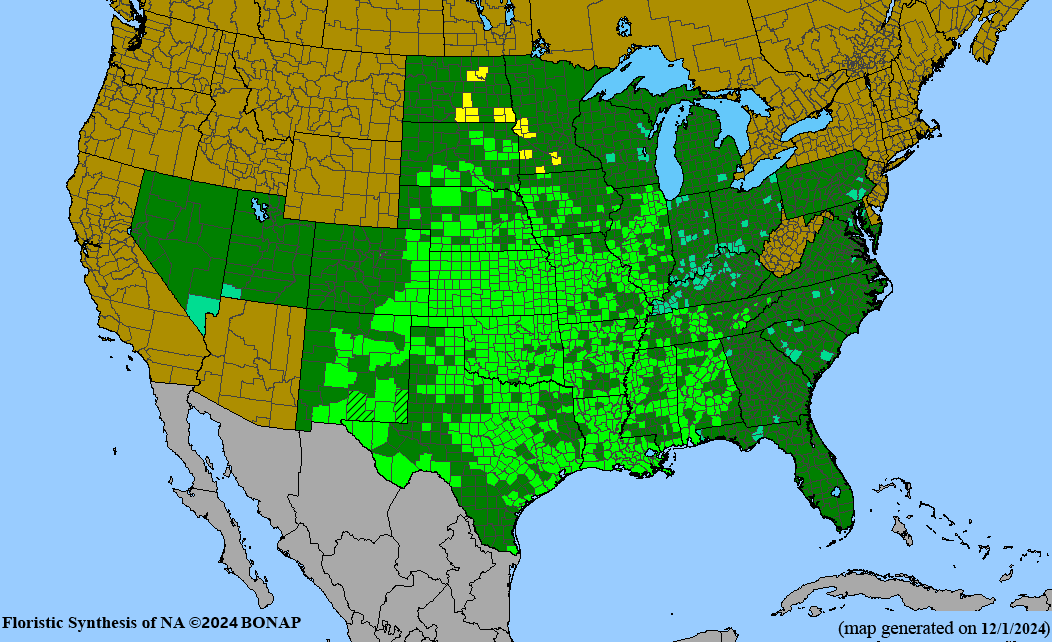
Native Range: Central and southern United States
Pollinator & Ecological Value:
Excellent nitrogen-fixer
Attracts beneficial insects and pollinators
High wildlife and forage value for birds and grazing animals
☀️ Site Selection & Sunlight Requirements
Sunlight: Full sun (6+ hours/day) is ideal.
Tolerates partial sun, but best performance in open sunny areas.
Soil Preferences:
Adaptable to a wide range — sandy, loamy, or clay soils.
Best in well-drained or moderately drained soil.
pH Range: Neutral to moderately alkaline; tolerates a broad pH range.
🌱 Soil Preparation
Loosen the top 6–10 inches of soil.
Remove grass, weeds, and debris.
Light compost can be added, but as a legume, it typically doesn’t need rich amendments.
Good drainage improves establishment but this plant is quite adaptable.
🌾 Direct Sowing Outdoors – Fall or Spring
Fall Sowing(Recommended)
When: After first hard frost but before ground freezes.
Why: Natural weathering breaks hard seed coat (scarification) and simulates cold stratification.
How:
Broadcast seeds onto prepared soil.
Press into soil surface or lightly cover (~1/4 inch).
Water lightly if soil is dry.
Winter freeze-thaw cycles will naturally scarify and stratify the seeds.
Spring Sowing
When: After last frost, once soil temps reach ~60°F.
Scarification Required: Yes — seeds have a hard coat that must be scarified for good germination.
Scarification Methods:
Soak seeds in hot water (~140°F) and let sit for 12–24 hours.
Nick seed coat with sandpaper or file.
Stratification: Not required if fall sown or scarified before spring sowing.
How:
Sow into prepared seedbed and cover 1/4 inch deep.
Keep soil evenly moist during germination (7–21 days).
🌱 Starting Seeds Indoors for Spring Transplanting
When to Start Indoors: 6–8 weeks before last frost
Scarification Required: Yes — hot water soak or abrasion is essential.
Stratification: Not necessary once scarified.
Sowing Indoors:
Sow into pots or seed trays 1/4 inch deep.
Keep moist and warm (70–80°F ideal for germination).
Germination time: 7–21 days after scarification.
Transplanting Outdoors: Harden off plants for a few days before transplanting in full sun after frost.
💧 Watering
During Germination & Establishment: Keep soil consistently moist.
After Establishment: Drought-tolerant, water only during prolonged drought.
Roots penetrate deeply, making the plant ideal for dry prairies and restoration projects.
✂️ Maintenance Tips
Low-maintenance perennial.
May spread by seed but does not become invasive.
Optional: Cut back in fall or early spring if plants become woody.
Can be mowed in meadows or used in rotational grazing systems.
Fixes nitrogen — improves soil fertility in restoration settings.
❌ Is it Invasive?
Not considered invasive.
Readily reseeds in suitable areas but is easily managed and beneficial to native ecosystems.
Ideal for prairie restorations, cover crops, wildlife plantings, erosion control, and pollinator gardens.
🌼 Other Notes
Blends well with native grasses and wildflowers like:
Andropogon, Sporobolus, Ratibida, Coreopsis, Gaillardia
Excellent for soil building, erosion control, permaculture, and low-input restoration plantings.
Produces unique globe-like seed pods and fern-like foliage.