Hairy Beardtongue Seeds (Penstemon hirsutus) - Native Wildflower
- Free delivery on orders over $50
- In stock, ready to ship
- Inventory on the way
Elegant Native Beauty - Hairy Beardtongue
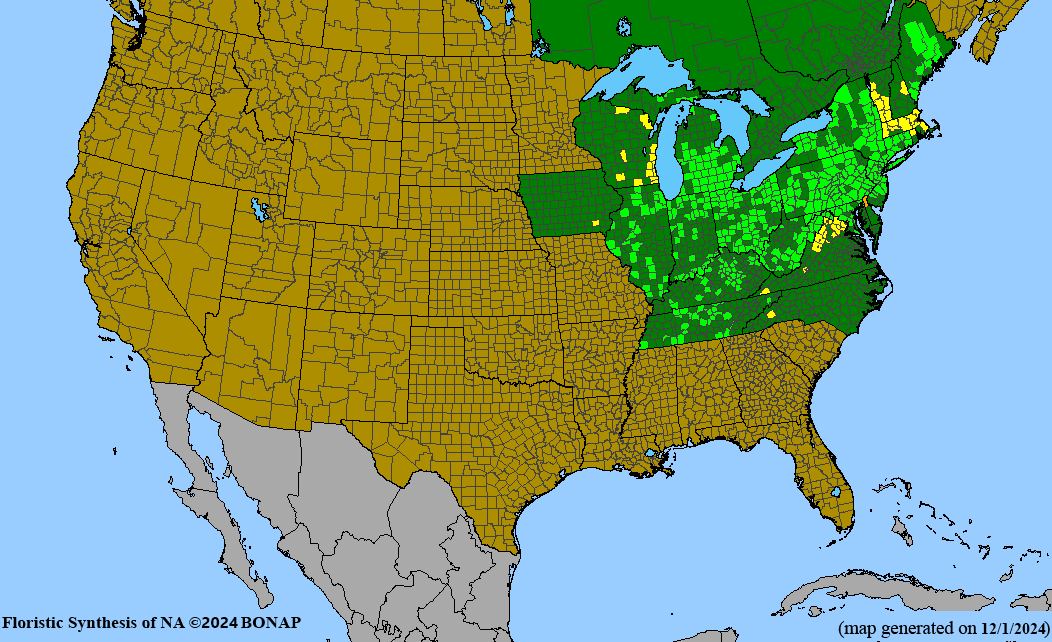
Hairy Beardtongue (Penstemon hirsutus) is a charming native perennial that brings delicate beauty and exceptional pollinator value to gardens across the Eastern United States. This hardy wildflower produces elegant spikes of tubular flowers in soft lavender-pink to white, creating a refined presence in both formal and naturalized garden settings.
🌸 Key Benefits:
- Hummingbird Magnet: Tubular flowers are perfectly designed for hummingbird feeding
- Long Bloom Period: Flowers from late spring through mid-summer
- Pollinator Essential: Attracts native bees, butterflies, and beneficial insects
- Drought Tolerant: Thrives in dry conditions once established
- Deer Resistant: Natural compounds deter browsing animals
- Easy Care: Low maintenance perennial that self-seeds
🌱 Plant Characteristics:
- Height: 1-3 feet tall, 1-2 feet wide
- Bloom Time: Late spring through mid-summer
- Flowers: Tubular lavender-pink to white blooms in terminal spikes
- Foliage: Hairy, lance-shaped leaves (hence the name)
- Light: Full sun to partial shade
- Soil: Well-draining, sandy or rocky soils preferred
- Zones: 3-8
🎯 Perfect For:
- Hummingbird and butterfly gardens
- Native plant landscapes
- Rock gardens and slopes
- Xeriscaping and drought-tolerant gardens
- Pollinator habitat creation
- Woodland edges and naturalized areas
Growing Tips: Direct sow in fall or early spring. Seeds benefit from cold stratification. Plants prefer good drainage and may struggle in heavy, wet soils.
Each packet contains fresh, viable seeds with detailed growing instructions. Sustainably sourced from native Eastern populations.
Here’s a comprehensive planting guide for Penstemon hirsutus (Hairy Beardtongue) for direct sowing outdoors (fall and spring) and starting seeds indoors for later transplanting in spring, designed for conditions across the USA.
🌿 Penstemon hirsutus Planting Instructions
Common Name: Hairy Beardtongue
Plant Type: Perennial wildflower
Native Range: Eastern and Central North America
Pollinator Value: Excellent — highly attractive to native bees, bumblebees, and early-season pollinators
☀️ Site Selection & Sunlight Requirements
Sunlight: Thrives in full sun (6+ hours/day) but can tolerate light partial shade (especially in hotter climates).
Soil Type: Prefers well-drained sandy, rocky, or loamy soil.
Soil pH: Neutral to slightly alkaline; adaptable.
🌱 Soil Preparation
Loosen soil to a depth of 6–8 inches.
Remove grass, weeds, and debris.
Amend compacted or heavy soils with grit, sand, or compost to improve drainage.
Avoid nutrient-rich or moisture-retentive soil; this plant prefers lean, dry soil.
🌾 Direct Sowing Outdoors – Fall or Spring
Fall Sowing (Recommended)
When: After the first frost but before ground freezes.
Why: Mimics natural conditions and provides cold moist stratification over winter.
How:
Scatter seeds over prepared soil.
Press seeds lightly into surface — do not bury deeply.
Optional: Cover lightly with fine soil or grit (1/16 inch).
Let winter precipitation and temperature changes stratify the seeds naturally.
Spring Sowing
When: After last frost or early spring.
Stratification: Required if sowing in spring — seeds need cold moist stratification for 30–60 days for good germination.
How:
Sow stratified seeds onto prepared soil surface and press in lightly.
Lightly cover with soil (no deeper than 1/16 inch).
Keep soil moist until germination (typically 10–30 days depending on temperature and stratification quality).
🌱 Indoor Seed Starting for Spring Transplanting
When to Start Indoors: 8–10 weeks before last frost
Stratification: Yes — essential for good germination
Cold moist stratify seeds for 30–60 days before sowing.
Mix seeds with moist sand, peat, or vermiculite and place in a plastic bag in the refrigerator at 34–40°F.
Scarification: Not required
Sowing Indoors:
Sow on surface of seed-starting mix and press seeds in — do not cover deeply.
Provide bright light; germination is light-dependent.
Maintain indoor temperature around 65–75°F.
Germination occurs in 2–4 weeks after stratification.
Transplanting Outdoors: Harden off seedlings for 5–7 days before transplanting into full sun, well-drained location after frost risk passes.
💧 Watering
During Germination & Establishment: Keep soil consistently moist but not waterlogged.
After Establishment: Drought tolerant — water only in prolonged dry spells.
Avoid overwatering; prefers dry soil once established.
✂️ Maintenance Tips
Very low maintenance once established.
Deadheading is optional but may extend blooming.
Cut back old stems in late fall or early spring.
Do not mulch heavily — prefers open, well-aerated soil surface.
Dividing plants every 3–4 years can promote vigor and prevent overcrowding.
❌ Is it Invasive?
Not invasive.
May self-seed lightly but does not spread aggressively.
Easy to manage and ideal for native plant gardens, rock gardens, and dry meadows.
🌸 Other Notes
Blooms early to mid-summer, providing nectar during a gap in many native flower cycles.
Pairs well with other drought-tolerant natives like:
Coreopsis, Liatris, Monarda, Ratibida columnifera, Echinacea, Prairie grasses
Great for prairie restorations, butterfly gardens, xeriscapes, and dry slopes.