Partridge Pea Seeds (Chamaecrista fasciculata) - Native Wildflower
- Free delivery on orders over $50
- In stock, ready to ship
- Inventory on the way
🌻 Discover the Vibrant Beauty of Partridge Pea
Experience the cheerful charm of Chamaecrista fasciculata, a spectacular native annual wildflower that creates stunning displays of bright yellow flowers with distinctive red centers. This remarkable plant blooms continuously from early summer through fall, providing essential nectar and pollen when many other flowers have finished blooming.
✨ Key Features:
- Height: 1-3 feet tall with spreading, bushy habit
- Bloom Time: June through September (continuous blooming)
- Flower Color: Bright golden-yellow with striking red star centers
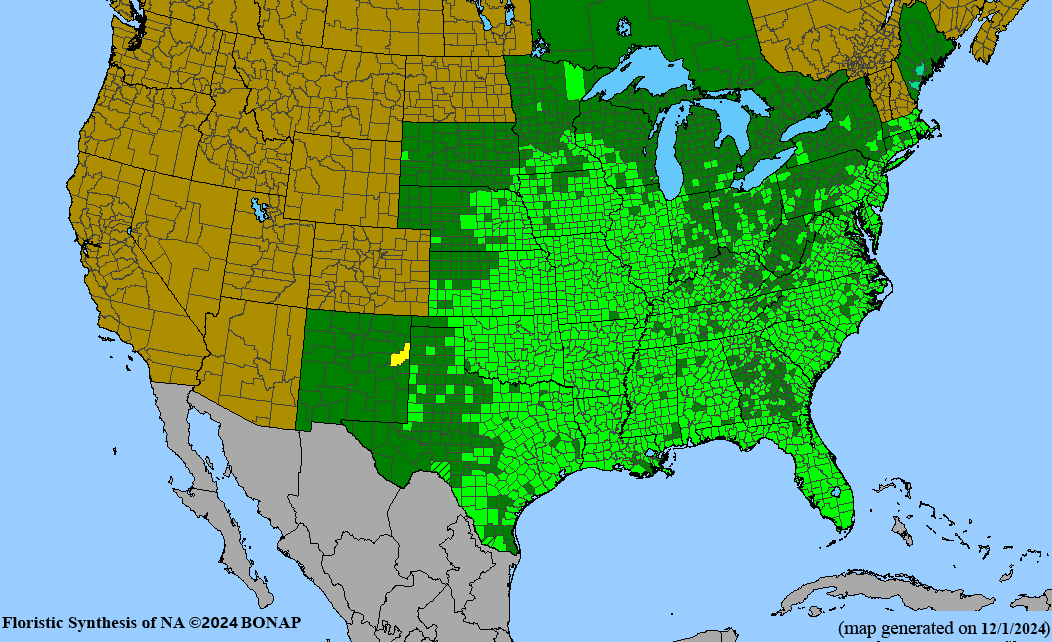
- Native Range: Eastern and Central North America
- Life Cycle: Annual that readily self-seeds
- Sun Requirements: Full sun
🦋 Outstanding Wildlife Benefits:
- Essential nectar source for native bees, butterflies, and beneficial insects
- Host plant for several butterfly species including sulphurs and skippers
- Seeds provide crucial food for quail, doves, and other ground-feeding birds
- Nitrogen-fixing legume that improves soil health naturally
- Supports over 20 species of native bees
🌱 Easy Growing Guide:
- Soil: Thrives in poor, sandy, or disturbed soils
- Drought Tolerance: Excellent once established
- Maintenance: Extremely low maintenance, self-seeding annual
- Germination: Scarification recommended for best results
- Spacing: Broadcast seed or plant 6-12 inches apart
🍽️ Edible & Medicinal Uses:
Young leaves and flowers are edible and can be used in salads or brewed into tea. Historically used by Native Americans for various medicinal purposes.
Perfect for wildflower meadows, prairie restorations, pollinator gardens, and naturalized areas. This cheerful native brings continuous color while supporting wildlife and improving soil health.
Here are planting instructions for sowing seeds for Chamaecrista fasciculata directly outdoors in fall and spring, and starting seeds indoors for later transplanting outdoors in the spring in the USA:
Site Selection
Sunlight: Partridge pea thrives in full sun, requiring at least 6 hours of direct sunlight daily. However, it can tolerate some light shade.
Soil: Partridge pea prefers well-drained soil, but it can adapt to various soil types, including sandy, loamy, or clay soils. It can also tolerate poor soil conditions.
Location: Choose a location where the plants will have enough space to grow, as they can reach up to 2 feet in height and spread.
Outdoor Sowing
Fall Sowing: Sow seeds directly outdoors in the fall after the first frost. This allows the seeds to naturally stratify over the winter.
Spring Sowing: Sow seeds directly outdoors in the spring after the last frost.
Seed Preparation: Before sowing, scarify the seeds by lightly scratching or nicking the seed coat. This helps improve germination rates. You can also soak the seeds in hot water overnight before planting.
Planting Depth: Plant the seeds ¼ to ½ inch deep.
Watering: Keep the soil moist until the seeds germinate. Once the seedlings emerge, water them regularly, especially during dry periods.
Indoor Sowing
Timing: Start seeds indoors 6-8 weeks before the last expected frost in your area.
Seed Preparation: Scarify the seeds and soak them in hot water overnight before planting.
Planting Depth: Plant the seeds ¼ to ½ inch deep in a seed-starting mix.
Watering: Keep the soil moist until the seeds germinate.
Light: Provide seedlings with ample light, either from a sunny window or grow lights.
Transplanting: Once the seedlings have developed a few sets of true leaves and the weather has warmed up, transplant them outdoors.
Stratification
Partridge pea seeds benefit from a period of cold stratification to improve germination rates. This can be done naturally by sowing seeds outdoors in the fall or artificially by storing seeds in a refrigerator for 2-4 weeks before planting.
Scarification
Scarification is the process of breaking or weakening the seed coat to promote germination. This can be done by lightly scratching or nicking the seed coat with a knife or sandpaper.
Maintenance Tips
Partridge pea is a low-maintenance plant that requires little care once established.
Water the plants occasionally during dry periods.
Deadhead spent flowers to encourage more blooms.
Partridge pea is an annual that self-seeds readily, so you may need to control its spread if you don't want it to become too aggressive.
Invasiveness
Partridge pea is native to the United States and is not considered invasive in most areas. However, it can become aggressive in some situations, especially if it is allowed to self-seed unchecked.
Additional Notes
Partridge pea is a valuable plant for pollinators, attracting bees, butterflies, and other beneficial insects.
The seeds are a food source for birds.
Partridge pea is a legume, which means it can fix nitrogen in the soil, making it a good choice for improving soil fertility.
I hope this information is helpful!