Prairie Milkweed Seeds (Asclepias sullivantii) - Native Milkweed

Regular price$4.00
/

  • Free delivery on orders over $50
  • In stock, ready to ship
  • Inventory on the way

Prairie Milkweed - Essential Habitat for Monarch Butterflies

Asclepias sullivantii, commonly known as Prairie Milkweed, is a robust tallgrass prairie native and one of the most important host plants for monarch butterfly caterpillars, which can eat nothing else. Large, fragrant clusters of pink-purple flowers crown upright stems through summer, followed by distinctive seed pods that split open to release silky-tufted seeds.

Outstanding Features:

  • Essential Host Plant: Monarch caterpillars depend on milkweed exclusively
  • Fragrant Blooms: Large pink-purple flower clusters draw a wide range of pollinators
  • Drought Tolerant: Thrives once established, even in dry conditions
  • Low Maintenance: Spreads gradually by underground rhizomes to form colonies
  • Wildlife Value: Seeds provide food for goldfinches and other songbirds

Growing Information:

Height: 3-5 feet | Spread: 1.5-2 feet | Sun: Full sun to partial shade | Soil: Clay, loam, or sand; moist to average moisture | Zones: 3-8

Planting Guide: Sow in fall for natural cold stratification, or provide 4-6 weeks of cold, moist stratification before a spring sow. Sow about 1/8 inch deep and keep soil consistently moist until seedlings establish.

Plant this native milkweed to directly support declining monarch populations while adding bold, fragrant color and season-long wildlife activity to your garden.

Height 2–3 feet
Light requirements Full Sun 6+ hours of direct sunlight daily Part Sun 3-6 hours of direct sunlight daily Part Shade 3-6 hours of direct sunlight daily Shade Under 4 hours of direct sunlight daily Full Shade 0-3 hours of sunlight daily, preferably morning sun. Can be filtered (dappled) light to deep shade Dappled Light Soft, shifting pattern of sunlight and shade when sunlight filters through the leaves Full Sun
Water Medium
Bloom Time Summer
Stratification Beneficial (4–6 weeks cold-moist stratification)
Soil Clay, loam, or sand; moist to average moisture
Attracts Butterflies (Monarch host plant), Bees

🌱 Prairie Milkweed

This robust tallgrass prairie native is one of the most important host plants for monarch butterfly caterpillars, producing large fragrant pink-purple flower clusters on upright stems.

Site Selection
Sunlight: Full sun.
Soil: Adaptable to clay, loam, or sand; prefers moist to average soil.

Planting Outdoors
Sow in fall so winter provides natural cold stratification, or chill seed before a spring sow (see Stratification below). Sow about 1/8 inch deep. Thin or space seedlings 1-2 feet apart.

Starting Seeds Indoors
Start 8-10 weeks before the last frost. Sow chilled seed about 1/8 inch deep in a well-draining mix, and keep warm (70-75°F) until germination.

Stratification & Scarification
Beneficial: 4-6 weeks of cold, moist stratification improves germination. Not needed for fall sowing, since winter provides it naturally. Scarification not required.

Watering
Keep soil consistently moist until seeds germinate and seedlings establish; once established, Prairie Milkweed is fairly drought tolerant but appreciates occasional water during prolonged dry spells.

Maintenance
Low maintenance once established. Leave seed pods for winter interest and wildlife, or remove before they open to limit self-seeding.

Additional Notes
Essential host plant for monarch caterpillars - watch for eggs and larvae on the foliage through summer.

Prairie Milkweed seed packet with Asclepias sullivantii photo, 25 seeds, planting QR code
Asclepias sullivantii
Prairie Milkweed

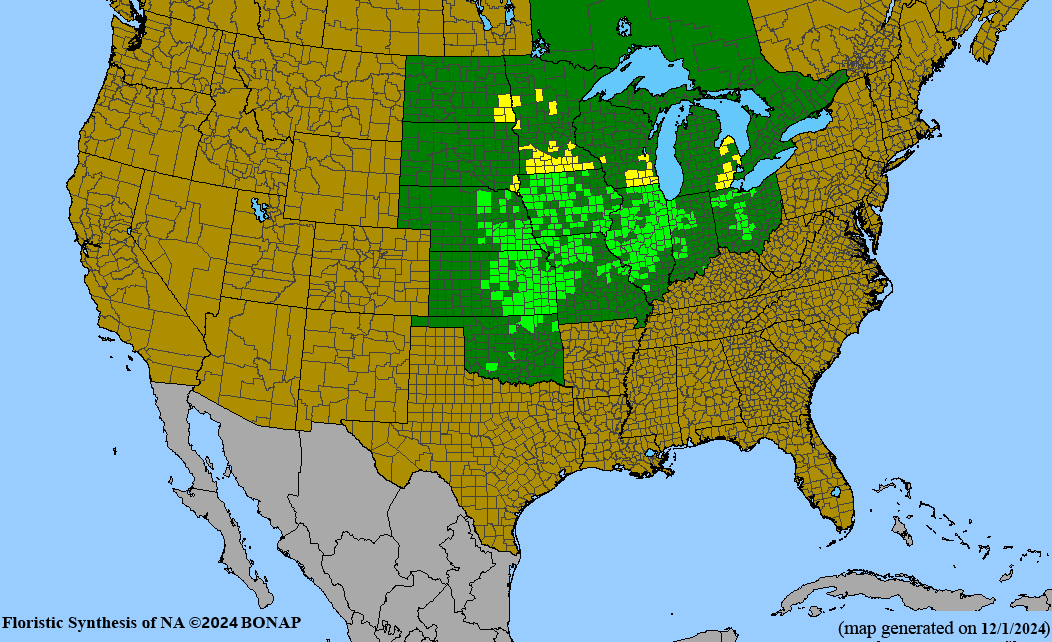
Native Plant Map

Dark Green indicates the plant is native within the state, yellow rare, the lime green indicates where the plant is native and seen more within a state.

Map Credits BONAP©2024

Frequently asked questions

Why didn't my seeds germinate?

Most of the time, the seeds aren't dead. They're waiting. Many native wildflowers have built-in dormancy that keeps them from sprouting until they've been through a winter. If they skip that cold, moist period, they can sit in the soil and do nothing. Other common causes:

  • Planted too deep. Many native seeds are tiny and need light to germinate. Press them onto the soil surface instead of burying them.
  • The soil dried out. Seeds need steady moisture for the first few weeks after they start to wake up.
  • Not enough time. Some natives sprout within weeks. Others take a full season or longer, and a few come up the following spring.
  • Competition. Weeds and turf grass can crowd out seedlings before you notice them.

If your seeds haven't come up, don't dig up or till the area. Mark the spot, keep the weeds down, and give it another season. Many "failed" plantings fill in the next spring.

When is the best time to plant native seeds?

For most native wildflowers, late fall through early winter is the best time. Sowing then copies what happens in nature: the seeds drop in autumn, go through winter cold and moisture, and sprout when the soil warms in spring. Plant after your first hard frost, so the seeds don't sprout early and get killed by the cold.

If you miss fall, you can still plant in spring. Seeds that need a cold period will do better if you cold stratify them first. Mix them with damp sand or vermiculite, seal them in a labeled bag, and keep them in the refrigerator for 30 to 60 days before sowing. Check each seed's product page or packet QR code for its own instructions, since needs vary by species.

Why aren't my native plants blooming in the first year?

That's normal. Most native perennials put their first year or two into building deep roots, not flowers. Those roots are what make native plants tough, drought-tolerant, and long-lived once they're established. A common rule of thumb is "first year they sleep, second year they creep, third year they leap." Be patient, keep weeds under control, and let the plants settle in. The blooms are worth the wait.


Recently viewed