Yellow Giant Hyssop Seeds (Agastache nepetoides) - Native Wildflower
- Free delivery on orders over $50
- In stock, ready to ship
- Inventory on the way
Magnificent Native Yellow Giant Hyssop - Pollinator Paradise
Agastache nepetoides, commonly known as Yellow Giant Hyssop or Fragrant Giant Hyssop, is a spectacular native perennial that brings towering spikes of pale yellow-green flowers and aromatic foliage to your garden. This impressive mint family member can reach 4-6 feet tall, producing dense flower spikes from mid-summer through fall that create a buzzing paradise for bees, butterflies, and hummingbirds. The entire plant releases a delightful anise-like fragrance when brushed or crushed.
Outstanding Features:
- Pollinator Powerhouse: Attracts bees, butterflies, hummingbirds, and beneficial insects
- Impressive Height: Grows 4-6 feet tall, creating dramatic vertical interest
- Aromatic Foliage: Releases pleasant anise-like fragrance throughout the season
- Extended Blooming: Flowers continuously from July through October
- Native Heritage: Authentic component of prairie and woodland edge ecosystems
Growing Information:
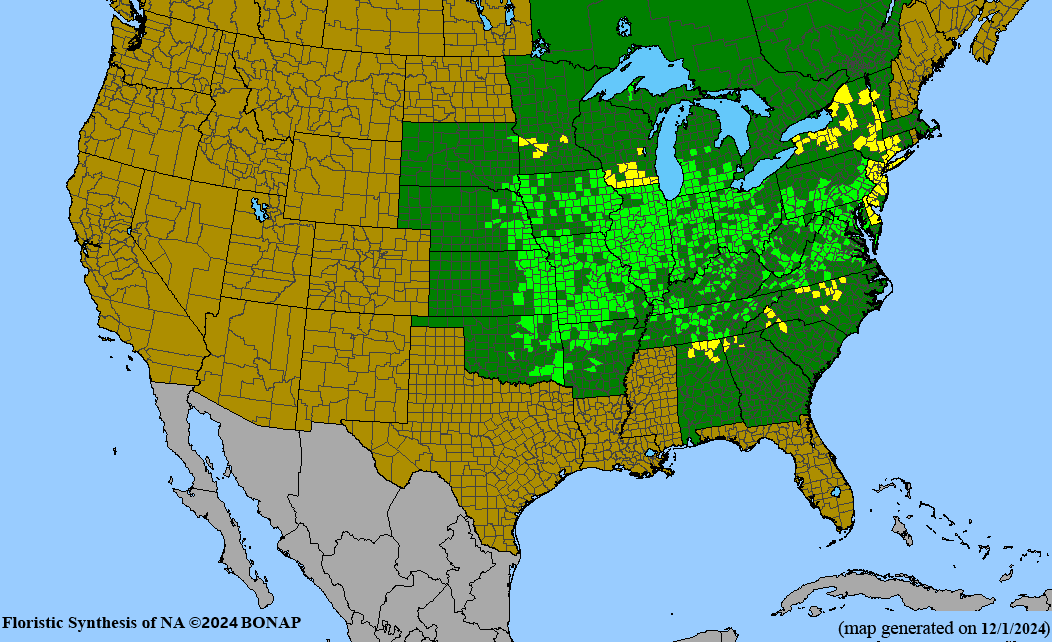
Height: 4-6 feet | Spread: 2-3 feet | Sun: Full sun to partial shade | Soil: Moist, well-draining, rich | Zones: 4-8
Planting Guide: Direct sow in fall or cold stratify seeds for 30 days before spring planting. Seeds are very small and need light to germinate - barely cover with soil. Prefers consistently moist soil and benefits from rich, organic matter.
Create a stunning pollinator garden centerpiece while enjoying months of fragrant blooms with this magnificent native that supports declining bee and butterfly populations.
Planting Instructions for Agastache nepetoides
Scientific Name: Agastache nepetoides
Common Name: Yellow Giant Hyssop
1. Site Selection:
Sunlight: Full sun to part shade (6+ hours of direct sunlight daily) is ideal.
Soil: Well-drained soil is essential. Avoid heavy clay soils that retain moisture.
Space: Allow 18-24 inches between plants for adequate air circulation.
2. Direct Sowing Outdoors:
Fall Sowing:
Time: Sow seeds directly into the garden in the fall after the first frost.
Method:
Prepare the soil by removing weeds and loosening the top few inches.
Sow seeds lightly on the surface of the soil.
Gently press the seeds into the soil.
Water gently and keep the soil consistently moist throughout the winter.
Stratification: Fall sowing provides natural cold stratification over winter, which is essential for germination.
Spring Sowing:
Time: Sow seeds directly into the garden after the last frost has passed.
Method:
Follow the same soil preparation as for fall sowing.
Sow seeds lightly and press them into the soil.
Water gently and keep the soil consistently moist until germination.
3. Starting Seeds Indoors:
Time: Start seeds indoors 6-8 weeks before the last expected frost.
Method:
Stratification:
Place seeds between moist paper towels in a sealed plastic bag.
Refrigerate for 4-6 weeks for cold stratification.
Planting:
Fill seed trays or pots with a well-draining seed-starting mix.
Sow seeds lightly on the surface of the soil.
Gently press the seeds into the soil.
Water gently and keep the soil consistently moist.
Place trays in a warm, bright location with temperatures around 70-75°F (21-24°C).
Transplanting:
Once seedlings have developed 2-3 true leaves, harden them off gradually by exposing them to increasing periods of outdoor conditions.
Transplant seedlings into the garden after the last frost has passed, spacing them 18-24 inches apart.
4. Watering:
Water seedlings regularly to keep the soil consistently moist but not waterlogged.
Once established, Agastache nepetoides is relatively drought-tolerant, but water deeply during extended dry periods.
5. Maintenance:
Deadheading: Remove spent flower spikes to encourage continuous blooming.
Pruning: Cut back plants in late winter or early spring to encourage new growth.
Mulching: Apply a layer of organic mulch around the base of the plants to help retain moisture and suppress weeds.
6. Invasive Potential:
Agastache nepetoides is generally not considered invasive in the USA.
Important Notes:
Scarification: Scarification is not typically necessary for Agastache nepetoides seeds.
Soil Preparation: Amend heavy clay soils with compost or sand to improve drainage.
By following these guidelines, you can successfully grow Agastache nepetoides in your garden and enjoy its beautiful blooms and attract a variety of pollinators.