Scrambled Eggs Seeds (Corydalis aurea) - Native Wildflower
- Free delivery on orders over $50
- In stock, ready to ship
- Inventory on the way
🌼 Discover the Delicate Beauty of Scrambled Eggs
Experience the charming elegance of Corydalis aurea, aptly named 'Scrambled Eggs' for its clusters of bright golden-yellow flowers that resemble fluffy scrambled eggs. This delightful native annual creates masses of intricate, spurred flowers from early spring through summer, bringing cheerful color and delicate beauty to your garden.
✨ Key Features:
- Height: 6-12 inches tall with delicate, spreading habit
- Bloom Time: April through July (spring to early summer)
- Flower Color: Bright golden-yellow with intricate spurred petals
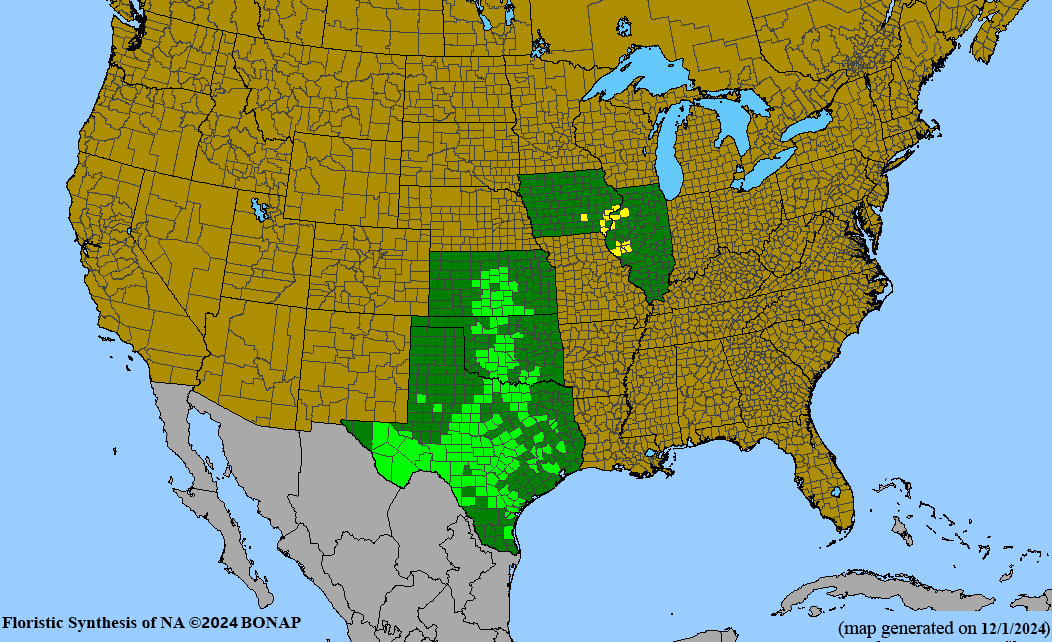
- Native Range: Throughout North America
- Life Cycle: Annual that readily self-seeds
- Sun Requirements: Full sun to partial shade
🦋 Outstanding Wildlife Benefits:
- Early season nectar source for native bees and small butterflies
- Attracts beneficial insects during crucial spring pollination period
- Seeds provide food for birds through summer and fall
- Self-seeding habit creates natural wildflower colonies
- Supports declining native pollinator populations
🌱 Easy Growing Guide:
- Soil: Well-drained soils, tolerates poor and sandy conditions
- Cool Weather: Thrives in cool spring temperatures
- Maintenance: Low maintenance, self-seeding annual
- Germination: Direct sow in fall or early spring
- Spacing: Plant 4-6 inches apart for natural drifts
🏡 Perfect Garden Uses:
Ideal for rock gardens, cottage gardens, wildflower meadows, and naturalized areas. The delicate flowers and low stature make it perfect for front-of-border plantings and spring displays.
Create charming spring displays while supporting early-season pollinators. This delightful native brings whimsical beauty and ecological value to sustainable gardens with its cheerful 'scrambled egg' blooms.
It's great you're looking to grow Corydalis curvisiliqua! This charming plant, also known as Curvepod Fumewort, can add lovely texture to your garden. Here's a guide to help you get started:
Site Selection
Sunlight: Corydalis curvisiliqua prefers partial shade to full shade. It thrives in dappled sunlight or under the canopy of trees.
Soil: Well-drained soil is crucial. It can tolerate a variety of soil types, including sandy, loamy, and even clay, as long as the drainage is good. Amend heavy clay soils with compost or other organic matter.
Space: This plant typically grows 6-12 inches tall and spreads slowly by rhizomes. It's a good choice for woodland gardens, rock gardens, or as a ground cover.
Direct Sowing Outdoors
Fall Planting: Fall is the ideal time to sow seeds directly outdoors. This allows for natural stratification over the winter.
Preparation: Clear the area of weeds and debris. Lightly loosen the top layer of soil.
Planting Depth: Sow seeds very shallowly, barely covering them with a thin layer of soil or sand, as they need light to germinate.
Watering: Keep the soil consistently moist, but not soggy, until seedlings emerge.
Spring Planting: Spring sowing is also possible.
Preparation: Prepare the seedbed as described above.
Planting Depth: Sow seeds as described above.
Watering: Water regularly until seedlings are established.
Starting Seeds Indoors
Timing: Start seeds indoors 8-10 weeks before the last expected frost in your area.
Stratification: Corydalis curvisiliqua seeds benefit from cold stratification. This improves germination rates.
Mix seeds with slightly moistened sand or vermiculite.
Place the mixture in a sealed plastic bag.
Refrigerate for 4-6 weeks.
Planting:
Use a seed starting mix. Sow seeds very shallowly in seed starting trays or pots.
Keep the soil moist and provide warmth (65-70°F) for germination. Light is important.
Transplanting: Once seedlings have a few sets of true leaves and the weather has warmed (after the last frost), transplant them outdoors. Harden them off gradually before transplanting.
Maintenance Tips
Watering: Once established, Corydalis curvisiliqua prefers consistently moist soil. Water regularly, especially during dry periods.
Fertilizing: They generally don't need much fertilizer. A light application of a balanced fertilizer in spring is sufficient.
Mulching: A layer of mulch can help retain moisture and suppress weeds.
Deadheading: Deadheading spent flowers can prevent self-seeding if you don't want it to spread.
Dividing: Established clumps can be divided every few years to control spread and rejuvenate plants.
Invasiveness
Corydalis curvisiliqua is native to North America and is not generally considered invasive. However, it can self-seed in favorable conditions. If you want to control its spread, remove seed pods before they mature.
Additional Notes
Scarification: Scarification is not usually necessary for Corydalis curvisiliqua seeds.
Pollinators: Corydalis curvisiliqua attracts bees and other pollinators to your garden.
Deer Resistance: They are relatively deer-resistant.
Good drainage is key to preventing root rot.
Provide adequate shade, especially in hot climates.
With these guidelines, you should be able to grow Corydalis curvisiliqua successfully in your garden!