Prairie Goldenrod Seeds (Solidago nemoralis) - Native Wildflower
- Free delivery on orders over $50
- In stock, ready to ship
- Inventory on the way
🌻 Experience the Golden Beauty of Prairie Goldenrod
Discover the stunning charm of Solidago nemoralis, a spectacular native perennial that creates masses of bright golden-yellow flower clusters from late summer through fall. This hardy prairie wildflower brings vibrant color when most other flowers are fading, making it an essential component of sustainable gardens and wildlife habitats.
✨ Key Features:
- Height: 1-3 feet tall with spreading, clumping habit
- Bloom Time: August through October (late season blooming)
- Flower Color: Bright golden-yellow in dense, fluffy clusters
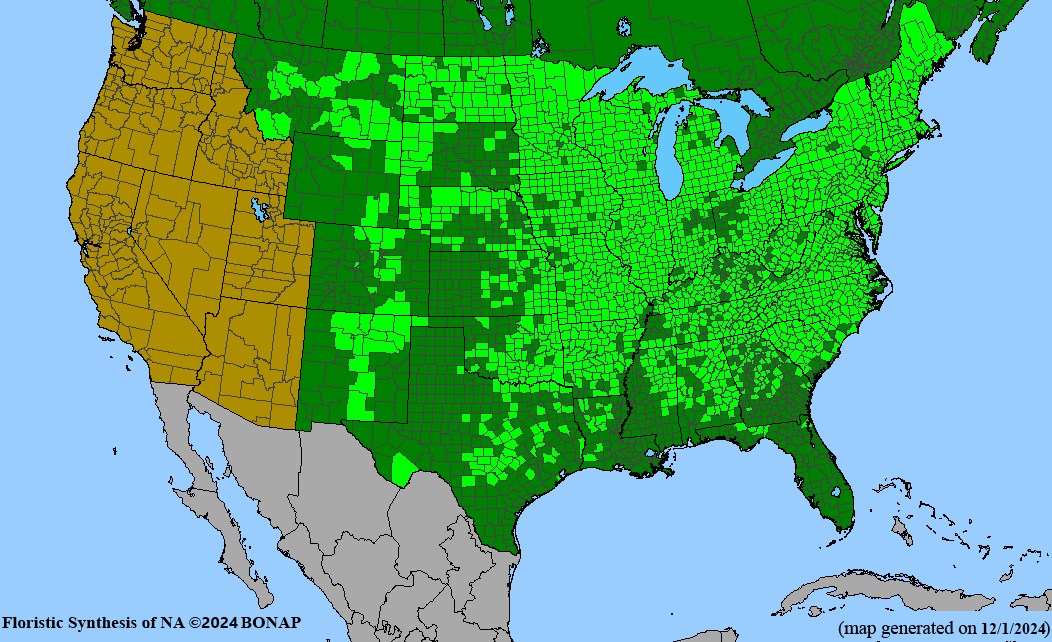
- Native Range: Central and Eastern North America
- Hardiness: USDA Zones 3-9
- Sun Requirements: Full sun to partial shade
🦋 Outstanding Wildlife Benefits:
- Critical late-season nectar source for migrating monarch butterflies
- Attracts over 100 species of native bees, butterflies, and beneficial insects
- Seeds provide essential winter food for goldfinches and other songbirds
- Supports declining pollinator populations when they need it most
- Long-lasting blooms extend pollinator season into autumn
🌱 Easy Growing Guide:
- Soil: Adaptable to various soils, tolerates poor and dry conditions
- Drought Tolerance: Excellent once established
- Maintenance: Low maintenance, may spread by rhizomes
- Germination: Cold stratification recommended for 30-60 days
- Spacing: Plant 12-18 inches apart for natural colonies
🏡 Garden Uses:
Perfect for prairie restorations, naturalized areas, pollinator gardens, and fall displays. Creates stunning golden drifts and provides crucial habitat for wildlife.
Create spectacular late-season displays while supporting migrating butterflies and native ecosystems. This essential prairie native brings both beauty and critical ecological value to sustainable gardens.
Site Selection
Sunlight: Solidago nemoralis thrives in full sun (at least 6 hours per day) but can tolerate some light shade, especially in hotter climates.
Soil: It prefers well-drained soil and can grow in a variety of soil types, including clay, loam, and sand. It does best in dry to medium moisture conditions.
Sowing Seeds Outdoors
Fall Sowing:
Sow seeds in late fall, after the first hard frost but before the ground freezes.
Prepare the soil by clearing any debris and lightly raking the surface.
Scatter seeds evenly over the soil surface.
Lightly cover seeds with a thin layer of soil (about 1/8 inch).
Water gently but thoroughly.
Seeds will germinate in the spring.
Spring Sowing:
Sow seeds after the last spring frost.
Prepare the soil as described above.
Sow seeds as described for fall sowing.
Keep the soil consistently moist until seeds germinate.
Starting Seeds Indoors
Timing: Start seeds indoors 8-10 weeks before the last expected spring frost in your area.
Stratification: Solidago nemoralis seeds benefit from cold stratification to improve germination rates. You can mimic this process by:
Mixing seeds with moist sand or vermiculite in a sealed container.
Refrigerating the container for 4-6 weeks.
Sowing:
Sow seeds in seed starting mix, about 1/8 inch deep.
Keep the soil moist and warm (70-75°F) until seeds germinate.
Transplanting:
Once seedlings have a few sets of true leaves, gradually acclimate them to outdoor conditions.
Transplant seedlings outdoors after the last spring frost, spacing them 1-2 feet apart.
Planting Depth
Whether sowing seeds directly or transplanting seedlings, plant them at a depth of about 1/8 inch.
Watering
Keep the soil consistently moist until seeds germinate and seedlings are established.
Once established, Solidago nemoralis is drought-tolerant, but it appreciates occasional watering during prolonged dry spells.
Stratification and Scarification
Stratification: As mentioned above, cold stratification is beneficial for Solidago nemoralis seeds.
Scarification: Scarification (scratching or nicking the seed coat) is not typically necessary for Solidago nemoralis seeds.
Maintenance Tips
Mulching: Apply a light layer of mulch around plants to retain moisture, suppress weeds, and regulate soil temperature.
Deadheading: Remove seed heads before they mature if you want to prevent self-seeding. However, leaving some seed heads provides food for insects and adds winter interest to the garden.
Pest and Disease Control: Solidago nemoralis is relatively pest and disease resistant. However, watch out for common problems like aphids and spider mites.
Invasiveness
Solidago nemoralis can spread aggressively by rhizomes and self-seeding in ideal growing conditions.
Additional Notes
Solidago nemoralis is a native plant to North America and is a valuable addition to pollinator gardens.
It is a hardy perennial that can tolerate a wide range of growing conditions.
Solidago nemoralis has beautiful yellow flowers that bloom in the late summer and fall.
Remember to choose Solidago nemoralis varieties that are suitable for your specific climate and growing conditions. With proper care, you can enjoy the beautiful and beneficial blooms of Solidago nemoralis in your garden for many years to come.