Yarrow - White Seeds (Achillea millefolium) - Native Wildflower
- Free delivery on orders over $50
- In stock, ready to ship
- Inventory on the way
Classic Native White Yarrow - Timeless Garden Essential
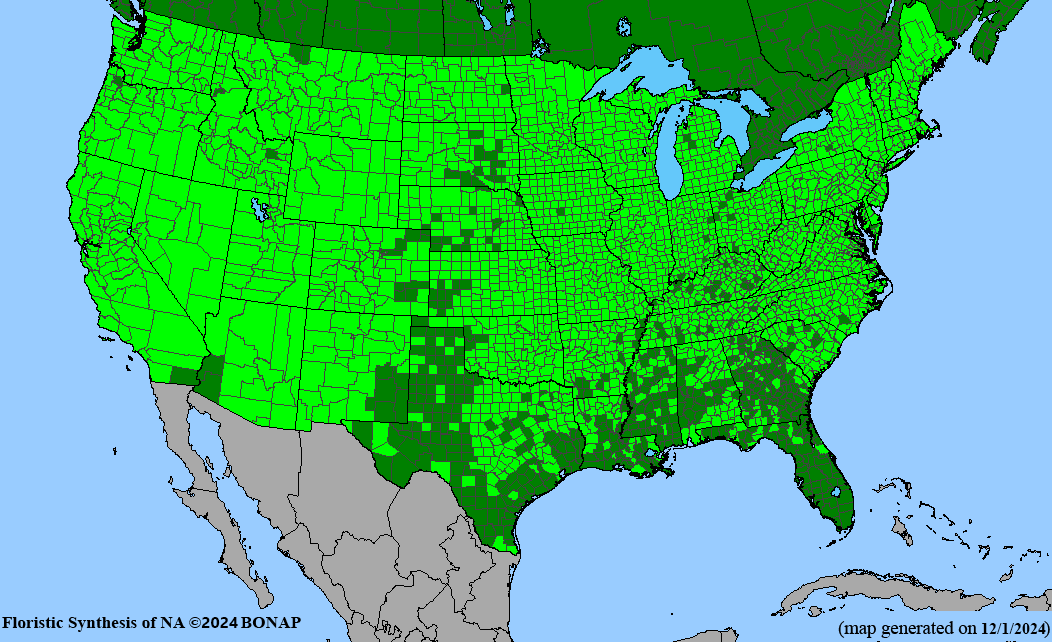
Achillea millefolium, commonly known as White Yarrow or Common Yarrow, is a beloved native perennial that brings timeless beauty and exceptional versatility to your garden. This hardy wildflower produces flat-topped clusters of pristine white flowers from late spring through fall, creating elegant displays that attract butterflies, bees, and beneficial insects while providing months of continuous blooms for cutting gardens.
Outstanding Features:
- Extended Blooming: Flowers continuously from May through October with deadheading
- Drought Champion: Extremely drought tolerant once established with deep root system
- Pollinator Magnet: Attracts butterflies, bees, and beneficial insects
- Cut Flower Excellence: Long-lasting stems perfect for fresh and dried arrangements
- Medicinal Heritage: Traditional healing plant used for centuries
Growing Information:
Height: 1-3 feet | Spread: 1-2 feet | Sun: Full sun to partial shade | Soil: Well-draining, adaptable to poor soils | Zones: 3-9
Planting Guide: Direct sow in spring or fall. Seeds need light to germinate - barely cover with soil. Thrives in poor soils and becomes more fragrant when stressed by drought.
Create a classic cottage garden centerpiece while supporting native pollinators with this versatile wildflower that bridges ornamental beauty with practical benefits for both garden and home.
Yarrow (Achillea millefolium)
Indoor Planting
Timing: Start seeds indoors 6-8 weeks before the last expected frost in your area.
Seeds: Sow seeds on the surface of a well-draining seed-starting mix. Yarrow seeds require light to germinate, so do not cover them with soil.
Moisture: Gently mist the soil surface to keep it moist.
Temperature: Maintain a warm temperature of 65-75°F (18-24°C).
Light: Provide bright, indirect light. A grow light can be helpful.
Germination: Germination typically occurs within 10-21 days.
Transplanting: Once seedlings have developed 2-3 true leaves, transplant them into individual pots.
Hardening Off: Gradually acclimate seedlings to outdoor conditions by placing them outdoors for short periods, increasing the time gradually over 7-10 days.
Outdoor Planting
Timing: Direct sow seeds outdoors after the last frost has passed and soil temperatures have warmed to at least 60°F (15°C).
Site Selection: Choose a sunny location with well-drained soil. Yarrow tolerates a variety of soil types but prefers dry conditions.
Soil Preparation: Prepare the soil by removing weeds and loosening the top few inches.
Planting: Broadcast seeds evenly over the prepared soil surface. Lightly press the seeds into the soil.
Spacing: Thin seedlings to 12-18 inches apart once they have established themselves.
Watering: Water gently and consistently until seedlings are established. Once established, yarrow is drought-tolerant.
General Care
Watering: Water deeply and infrequently. Allow the soil to dry out slightly between waterings.
Fertilizing: Yarrow is a low-maintenance plant and does not require fertilization.
Deadheading: Regularly remove spent flowers to encourage continuous blooming.
Pests and Diseases: Yarrow is generally pest- and disease-resistant.
Note: Yarrow can be a vigorous self-seeder, so it's best to plant it in an area where it can spread freely or to deadhead spent flowers before they go to seed if you wish to control its spread