Plains Coreopsis Seeds (Coreopsis tinctoria) - Native Wildflower
- Free delivery on orders over $50
- In stock, ready to ship
- Inventory on the way
🌻 Experience the Dazzling Beauty of Plains Coreopsis
Discover the spectacular charm of Coreopsis tinctoria, one of North America's most beloved native wildflowers. This stunning annual creates masses of bright golden-yellow flowers with distinctive reddish-purple centers, blooming continuously from early summer through fall and bringing non-stop color to your garden.
✨ Key Features:
- Height: 1-3 feet tall with bushy, spreading habit
- Bloom Time: June through September (continuous blooming)
- Flower Color: Bright golden-yellow petals with striking reddish-purple centers
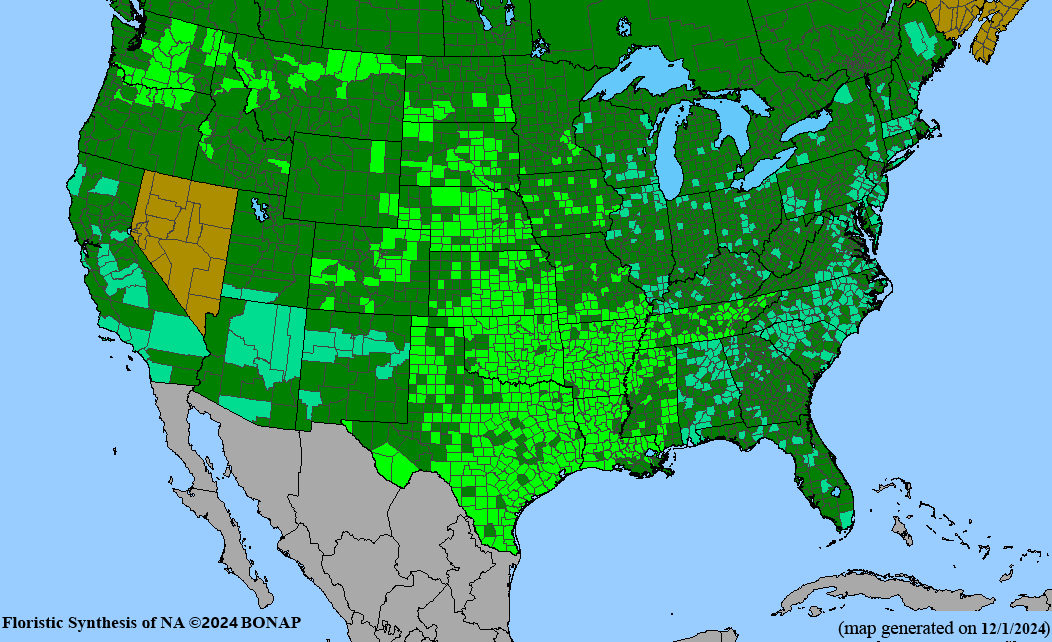
- Native Range: Throughout North America
- Life Cycle: Annual that readily self-seeds
- Sun Requirements: Full sun
🦋 Outstanding Wildlife Benefits:
- Essential nectar source for butterflies, native bees, and beneficial insects
- Attracts goldfinches, sparrows, and other seed-eating birds
- Supports over 40 species of native bees and butterflies
- Long blooming period provides consistent pollinator support
- Self-seeding habit creates natural wildlife corridors
🌱 Easy Growing Guide:
- Soil: Thrives in poor to average soils, excellent drainage preferred
- Drought Tolerance: Exceptional once established
- Maintenance: Extremely low maintenance, deadheading extends blooms
- Germination: Direct sow in spring or fall, surface sow
- Spacing: Plant 6-12 inches apart for mass displays
🎨 Garden Design:
Perfect for wildflower meadows, cutting gardens, cottage gardens, and naturalized areas. Creates stunning mass displays and mixes beautifully with other native wildflowers.
Bring months of continuous color while supporting native pollinators. This cheerful wildflower is perfect for gardeners seeking low-maintenance beauty with maximum ecological impact.
Here's a guide to growing Coreopsis tinctoria (Plains Coreopsis) from seed in the USA:
Site Selection
Sunlight: Plains Coreopsis thrives in full sun (at least 6-8 hours per day). It can tolerate some light afternoon shade, especially in very hot climates, but flowering will be best in full sun.
Soil: Well-drained soil is essential. It adapts to a range of soil types, including sandy, loamy, and even clay, as long as drainage is good. It prefers a slightly acidic to neutral soil pH. Avoid overly rich soils, as this can lead to excessive foliage growth and fewer flowers.
Sowing Seeds Outdoors
Fall Sowing: This is often the easiest method.
Sow seeds in late fall, after the first hard frost but before the ground freezes. This allows for natural stratification.
Prepare the soil by clearing any debris and lightly raking the surface.
Scatter seeds evenly over the soil surface.
Lightly cover seeds with a thin layer of soil (about 1/8 inch). They need some light to germinate, so don't bury them too deeply.
Water gently but thoroughly.
Seeds will germinate in the spring.
Spring Sowing:
Sow seeds after the last spring frost.
Prepare the soil as described above.
Sow seeds as described for fall sowing.
Keep the soil consistently moist until seeds germinate.
Starting Seeds Indoors
Timing: Start seeds indoors 6-8 weeks befor the last expected spring frost in your area.
Stratification: While not strictly required, a short period of cold stratification (2-4 weeks in the refrigerator) can improve germination rates. Place seeds in a moist paper towel or coffee filter inside a plastic bag.
Sowing:
Sow seeds in seed starting mix, about 1/8 inch deep.
Keep the soil moist but not soggy and warm (70-75°F) until seeds germinate.
Transplanting:
Once seedlings have a few sets of true leaves, gradually acclimate them to outdoor conditions (harden them off).
Transplant seedlings outdoors after the last spring frost, spacing them 6-12 inches apart.
Planting Depth
Seeds: 1/8 inch. Don't plant them too deeply.
Transplants: Plant at the same depth they were growing in their pots.
Watering
Keep the soil consistently moist until seeds germinate and seedlings are established.
Once established, Plains Coreopsis is quite drought-tolerant. Water during prolonged dry spells, but avoid overwatering, especially in winter.
Stratification and Scarification
Stratification: As mentioned above, a brief period of cold stratification can be beneficial but isn't essential.
Scarification: Scarification (scratching or nicking the seed coat) is generally not necessary.
Maintenance Tips
Deadheading: Regularly deadhead (remove spent flowers) to encourage more blooms and prevent self-seeding if you don't want it to spread.
Pinching: Pinch back young plants when they are a few inches tall to encourage bushier growth.
Fertilizing: Avoid over-fertilizing. A light application of a balanced fertilizer in the spring is usually sufficient.
Pest and Disease Control: Plains Coreopsis is relatively pest and disease resistant. Watch for common garden pests like aphids or slugs. Powdery mildew can sometimes be a problem, especially in humid conditions.
Invasiveness
Plains Coreopsis can self-seed readily, and in some areas, it may become somewhat aggressive. Deadheading spent flowers will help control its spread. It's generally not considered invasive in the same way some other plants are.
Additional Notes
Coreopsis tinctoria is a native annual (or sometimes biennial) to North America.
It's a great choice for wildflower gardens, meadows, and cut flower gardens.
The flowers come in a variety of colors, including yellow, red, and brown, often with interesting patterns.
It attracts butterflies and other pollinators.
Plains Coreopsis is a cheerful and easy-to-grow plant that adds a splash of color to the garden.
With minimal care, you can enjoy its blooms throughout the summer.