Indian Blanket Seeds (Gaillardia pulchella) - Native Wildflower
- Free delivery on orders over $50
- In stock, ready to ship
- Inventory on the way
Spectacular Native Beauty - Indian Blanket
Indian Blanket (Gaillardia pulchella), also known as Firewheel, is one of America's most beloved native wildflowers. This stunning annual produces brilliant red and yellow daisy-like blooms that create breathtaking displays from late spring through fall, making it perfect for adding vibrant color to any landscape.
🌻 Key Benefits:
- Long Blooming Season: Continuous flowers from late spring through first frost
- Heat & Drought Champion: Thrives in hot, dry conditions with minimal care
- Pollinator Magnet: Attracts butterflies, bees, and beneficial insects
- Self-Seeding: Annual that readily reseeds for years of colorful displays
- Cut Flower Excellence: Long-lasting blooms perfect for arrangements
- Deer Resistant: Natural compounds deter browsing animals
🌱 Plant Characteristics:
- Height: 1-2 feet tall, 1-2 feet wide
- Bloom Time: Late spring through fall
- Flowers: Red centers with bright yellow-tipped petals, 2-3 inches across
- Foliage: Hairy, lance-shaped leaves up to 3 inches long
- Light: Full sun (essential for best blooming)
- Soil: Well-draining, sandy soils preferred
- Zones: 3-10 (annual in most zones)
🎯 Perfect For:
- Wildflower meadows and prairie gardens
- Xeriscaping and drought-tolerant landscapes
- Pollinator habitat creation
- Cut flower and cottage gardens
- Roadside and naturalized plantings
- Children's gardens (easy to grow and colorful)
Growing Tips: Direct sow in fall or early spring. Seeds germinate easily in warm soil. Deadhead spent blooms to encourage continuous flowering, or leave some to self-seed.
Each packet contains fresh, viable seeds with detailed growing instructions. Sustainably sourced from native populations across the American Southwest.
Here is a comprehensive planting guide for Gaillardia pulchella (Indian Blanket, Firewheel) for direct sowing outdoors in fall or spring, and starting seeds indoors for transplanting, adapted for conditions across the USA.
🌿 Gaillardia pulchella Planting Instructions
Common Names: Indian Blanket, Firewheel
Plant Type: Annual or short-lived perennial, often reseeds readily
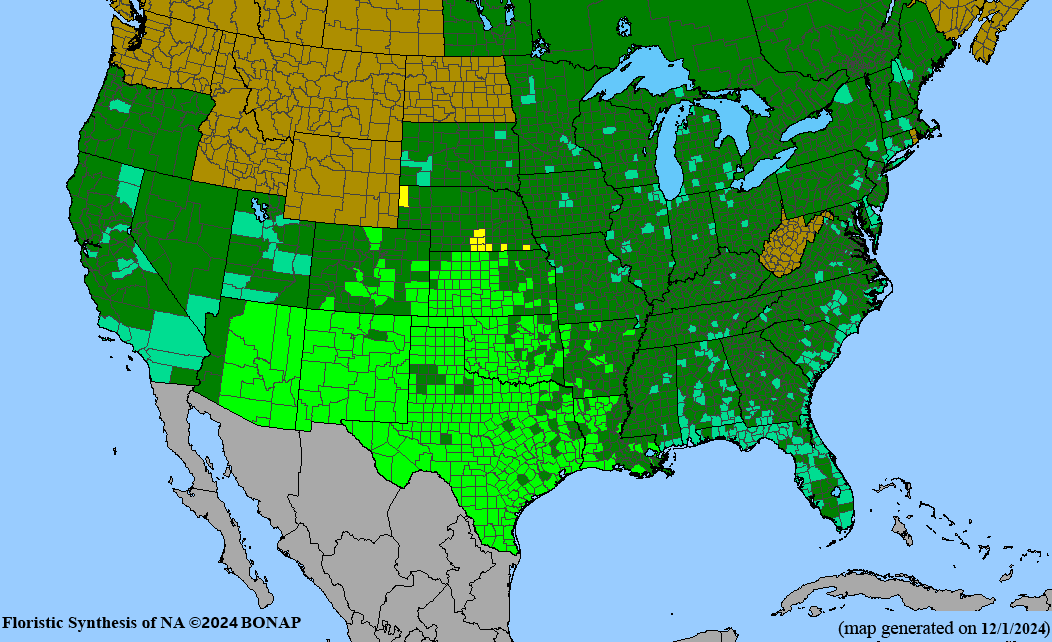
Native Range: Southern and central United States, especially Texas and the Gulf Coast
Pollinator Value: Excellent — attracts bees, butterflies, and native pollinators
☀️ Site Selection & Sunlight Requirements
Sunlight: Full sun (6–8+ hours/day) is essential for strong blooms.
Soil Type: Prefers sandy, well-drained soils, but adaptable to poor, rocky, or gravelly soils.
pH Range: Neutral to slightly alkaline; tolerant of most soil pH levels.
🌱 Soil Preparation
Loosen soil to a depth of 6–8 inches.
Remove all existing weeds, grass, and debris.
Optional: Add a small amount of compost if soil is extremely poor. Do not over-amend, as the plant prefers lean soils.
Ensure good drainage — it does not thrive in soggy conditions.
🌾 Direct Sowing Outdoors – Fall or Spring
Fall Sowing (Recommended in warm climates, USDA Zones 7+)
When: After the first frost but before the ground freezes.
Why: Natural cold stratification and winter moisture help seed germination.
How:
Scatter seeds on prepared soil.
Press seeds lightly into soil surface; do not bury deeply.
Lightly cover with no more than 1/16 to 1/8 inch of soil or sand.
Water lightly if soil is dry.
Seeds will germinate in spring as temperatures warm.
Spring Sowing
When: After the danger of frost has passed.
Stratification: Not required, though a brief cold moist stratification (1–2 weeks) can help if sowing early in cooler climates.
How:
Broadcast seeds on soil surface and press lightly.
Lightly cover with 1/16 to 1/8 inch of soil.
Keep soil consistently moist until germination.
Germination occurs in 7–14 days under warm soil conditions.
🌱 Starting Seeds Indoors for Spring Transplanting
When to Start Indoors: 6–8 weeks before last frost date
Stratification: Not necessary, but optional 1–2 weeks of cold stratification may enhance uniformity.
Scarification: Not required
How to Sow Indoors:
Sow seeds on the surface of moist seed-starting mix.
Lightly press into soil; do not deeply bury (needs light to germinate).
Keep temperature around 65–75°F.
Cover trays with a humidity dome or plastic until germination (7–14 days).
Transplanting Outdoors: Harden off seedlings for 5–7 days before transplanting outside after frost danger is past.
💧 Watering
During Germination: Keep soil evenly moist, not soggy.
After Establishment: Very drought tolerant — thrives in dry, lean soils.
Water only during prolonged droughts or extremely dry conditions.
✂️ Maintenance Tips
Deadhead spent flowers to encourage continuous blooming.
May reseed readily — leave some seed heads if naturalizing is desired.
Trim back in late summer to encourage a second flush of blooms.
Plants may be short-lived, but readily self-seed in favorable conditions.
❌ Is it Invasive?
Not invasive.
Readily self-sows, but not aggressively — easy to control by removing unwanted seedlings.
Well-suited for meadows, pollinator gardens, roadsides, and native plant landscapes.
🌼 Other Notes
Excellent companion for other drought-tolerant natives like:
Coreopsis, Monarda citriodora, Ratibida columnifera, Gaura, Liatris
Ideal for:
Wildflower meadows, xeriscapes, pollinator gardens, coastal landscapes, and prairie restorations
Blooms prolifically from late spring through fall, especially in warm regions.