American Germander Seeds (Teucrium canadense) - Native Wildflower
- Free delivery on orders over $50
- In stock, ready to ship
- Inventory on the way
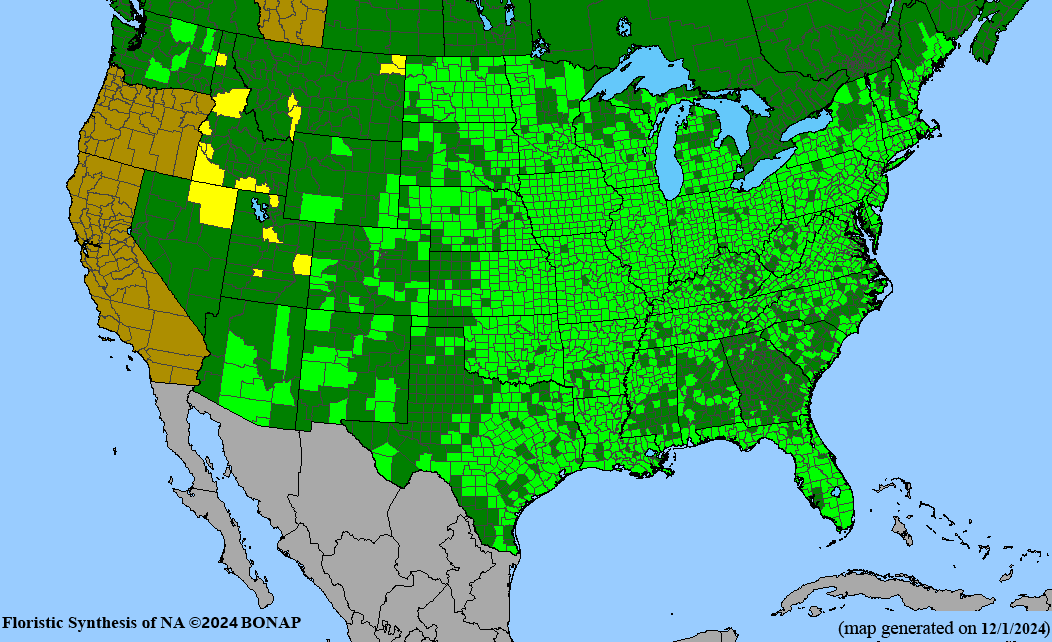
Teucrium candadense is a native North American perennial: This flowering herb thrives in moist environments like meadows, marshes, and along streams. It readily pops up across the contiguous United States and much of Canada.
Distinctive features: Look for a robust plant standing up to 3 feet tall with a squarish stem and opposite leaves. The leaves are ovate or lanceolate, deeply veined and coarsely toothed, reaching up to 5 inches long. The most striking characteristic is the terminal inflorescence, a spike-like cluster of lavender-pink flowers borne at the stem tip.
Blooming beauty: American germander graces gardens with its showy blossoms from late June to September, attracting a variety of pollinators, especially long-tongued bees like bumblebees and honeybees.
Adaptable and resilient: This plant thrives in full sun or part shade, tolerates a range of soil types, and even withstands brief periods of flooding. Its fibrous root system and rhizomes help it anchor in soggy soils and spread over time, forming attractive clumps.
A word of caution: While American germander offers ornamental and ecological value, note that it can become mildly invasive in ideal conditions due to its spreading habit. Consider dividing established clumps regularly to maintain control.
Historical and medicinal uses: Native Americans traditionally used American germander for various medicinal purposes. However, be aware that it can cause liver damage, so internal consumption is not recommended. In the past, it was also used in teas and capsules for weight control and lowering cholesterol, but these practices have been discontinued due to safety concerns.
merican germander is a versatile and rewarding plant for any garden, especially those seeking native North American species and attracting pollinators. Just remember its potential for spreading and avoid internal consumption unless under the guidance of a qualified healthcare professional.
Planting Instructions for Teucrium canadense (American Germander) Seeds
1. Direct Sowing Outdoors (Fall & Spring)
Site Selection
Choose a site with full sun to partial shade (at least 4-6 hours of sunlight daily).
Prefers moist, well-drained soils but tolerates a range of soil types, including sandy and loamy soils.
Ideal for wet meadows, prairies, rain gardens, or along streambanks.
Soil Preparation
Loosen the soil to a depth of 6-8 inches and remove weeds and debris.
Amend with organic matter if soil is too compact or nutrient-poor.
Ensure good drainage to prevent seed rot.
Planting Depth & Seed Sowing
Stratification: If sowing in fall, no pre-treatment is needed. The natural winter cycle will stratify the seeds.
Spring Sowing: Requires cold stratification for 30-60 days in the refrigerator before planting.
Scatter the seeds on the soil surface and press them lightly to ensure good seed-to-soil contact. Do not bury deeply, as they need some light to germinate.
Watering
Keep the soil consistently moist but not waterlogged until germination.
After seedlings establish, water weekly during dry spells.
Maintenance & Growth
Once established, Teucrium canadense requires minimal care.
Cut back in late fall or early spring to encourage new growth.
This species spreads via rhizomes and can become aggressive. Consider planting it in contained areas if spreading is a concern.
2. Starting Seeds Indoors for Spring Transplanting
Seed Preparation
Stratify the seeds for 30-60 days by placing them in moist sand or peat in the refrigerator at 35-40°F (2-4°C).
No scarification is needed.
Sowing Indoors
Start seeds 8-10 weeks before the last frost date.
Use seed-starting trays or small pots filled with well-draining potting mix.
Sow seeds on the surface and lightly press them into the soil (do not bury deeply).
Light & Temperature Requirements
Place trays in a bright location with 12-16 hours of light daily (grow lights or a sunny windowsill).
Keep the temperature around 65-75°F (18-24°C) for optimal germination.
Watering & Transplanting
Keep the soil evenly moist but not soggy.
Germination occurs in 2-4 weeks.
Once seedlings develop 2-3 sets of true leaves and nighttime temperatures stay above 50°F (10°C), they can be hardened off and transplanted outdoors.
Space plants 1-2 feet apart in prepared garden beds.
Maintenance & Growth Control
Watering: Water weekly during the first year and during drought periods.
Pruning: Cut back in late fall or early spring to prevent excessive spread.
Containment: Because it spreads through rhizomes, consider using barriers or planting in areas where spreading is acceptable.
Invasiveness: Teucrium canadense is not officially classified as invasive but can be aggressive in gardens. Regular monitoring is recommended to control its spread.