

Mealy Blue Sage Seeds (Salvia farinacea) - Native Wildflower
- Free delivery on orders over $50
- In stock, ready to ship
- Inventory on the way
Elegant Native Beauty - Mealy Blue Sage
Mealy Blue Sage (Salvia farinacea) is a stunning native perennial that produces elegant spikes of deep blue-purple flowers from spring through fall. This drought-tolerant beauty is beloved by hummingbirds and butterflies, making it an essential addition to any pollinator garden or xeriscape landscape.
🌸 Key Benefits:
- Hummingbird Magnet: Tubular flowers are perfectly designed for hummingbird feeding
- Extended Bloom Season: Continuous flowers from spring through first frost
- Heat & Drought Champion: Thrives in hot, dry conditions with minimal water
- Pollinator Paradise: Attracts butterflies, bees, and beneficial insects
- Cut Flower Excellence: Long-lasting spikes perfect for fresh and dried arrangements
- Deer Resistant: Natural compounds deter browsing animals
🌱 Plant Characteristics:
- Height: 2-3 feet tall, 1-2 feet wide
- Bloom Time: Spring through fall
- Flowers: Dense spikes of deep blue-purple tubular blooms
- Foliage: Silvery-green, lance-shaped leaves with fuzzy texture
- Light: Full sun (essential for best blooming)
- Soil: Well-draining, sandy or rocky soils preferred
- Zones: 7-10 (annual in cooler zones)
🎯 Perfect For:
- Hummingbird and butterfly gardens
- Xeriscaping and drought-tolerant landscapes
- Cut flower and cottage gardens
- Mass plantings for dramatic blue displays
- Native plant and wildlife gardens
- Hot, challenging garden sites
Growing Tips: Direct sow in spring after last frost or start indoors 6-8 weeks early. Seeds germinate easily in warm soil. Plants prefer full sun and excellent drainage for best performance.
Each packet contains fresh, viable seeds with detailed growing instructions. Sustainably sourced from native Texas populations.
Here are detailed planting instructions for Salvia farinacea (Mealycup Sage or Mealy Blue Sage) for direct sowing outdoors in fall/spring and starting seeds indoors for later transplanting, tailored for conditions in the USA.
🌿 GENERAL OVERVIEW
Botanical name: Salvia farinacea
Common names: Mealycup Sage, Mealy Blue Sage
Plant type: Tender perennial (often grown as an annual in cooler climates)
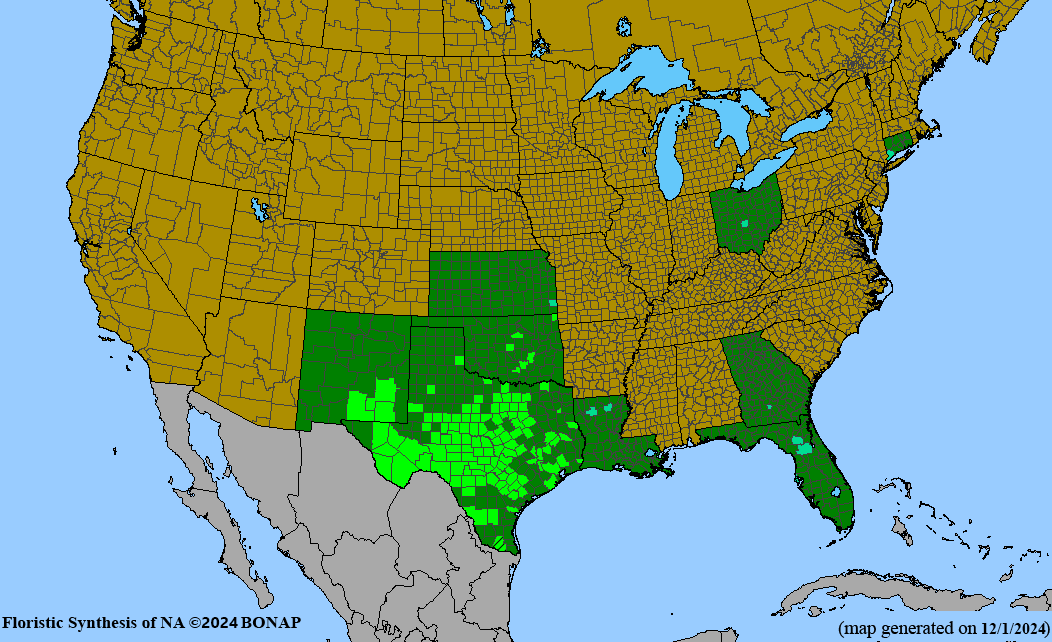
Native to: Southern USA (Texas) and Mexico
Bloom time: Late spring to frost
Pollinator-friendly: Yes – attracts bees, butterflies, hummingbirds
☀️ Site Selection & Sun Requirements
Sunlight: Full sun (6–8+ hours/day) is best for optimal bloom.
Tolerance: Can tolerate light shade, but bloom quantity decreases.
Soil: Well-drained soil is essential. Tolerates sandy or loamy soils well.
Soil pH: Slightly acidic to neutral (pH ~6.0–7.0)
🌱 Soil Preparation
Loosen top 6–8 inches of soil.
Mix in compost or well-rotted organic matter to improve fertility and drainage.
Avoid wet, heavy clay soils unless amended to improve drainage.
🌾 Sowing Outdoors – Fall or Spring
⚠️ Note: Salvia farinacea is not reliably hardy in cold climates; fall sowing is only suitable in warm USDA zones (Zone 9–11) where winters are mild.
Fall Sowing (Warm climates only)
When: Late fall, before light winter rains.
How:
Scatter seeds over prepared soil.
Lightly press seeds into soil surface or barely cover with 1/16 inch of soil.
Water gently but do not saturate.
Seeds may germinate during mild winter periods or in early spring.
Spring Sowing (Most recommended)
When: After the last frost date in your region.
How:
Prepare the seedbed and sow seeds on the surface.
Lightly press or cover with a very thin layer of soil (~1/16 inch).
Keep soil consistently moist until germination.
Germination typically occurs in 10–20 days, depending on temperature.
🌱 Starting Seeds Indoors
When to Start: 6–8 weeks before your last frost date.
Stratification: Not required.
Scarification: Not needed.
How:
Sow seeds on surface of seed-starting mix; press lightly into soil.
Do not bury deeply; they need light to germinate.
Cover tray with plastic dome or bag to retain humidity until germination.
Provide bright light or grow lights; warmth (70–75°F) speeds germination.
Germination in 10–20 days.
Transplant outdoors after hardening off when frost danger is over.
💧 Watering
During Germination: Keep soil evenly moist but not soggy.
After Establishment: Moderate watering; drought-tolerant once mature.
Avoid overwatering, especially in poorly drained soils.
✂️ Maintenance Tips
Deadheading: Encourages more blooms and prevents unwanted reseeding.
Pinching tips: Early pinching encourages bushier growth.
Fertilizer: Optional; light balanced fertilizer or compost in spring is sufficient.
Winter care: In Zone 9+, it can survive mild winters; cut back old stems in spring.
In colder zones, treat it as an annual, or overwinter in containers indoors.
❌ Is it Invasive?
Not invasive. It may lightly self-sow in ideal conditions but is easy to manage.
Well-behaved in both garden beds and wildflower settings.