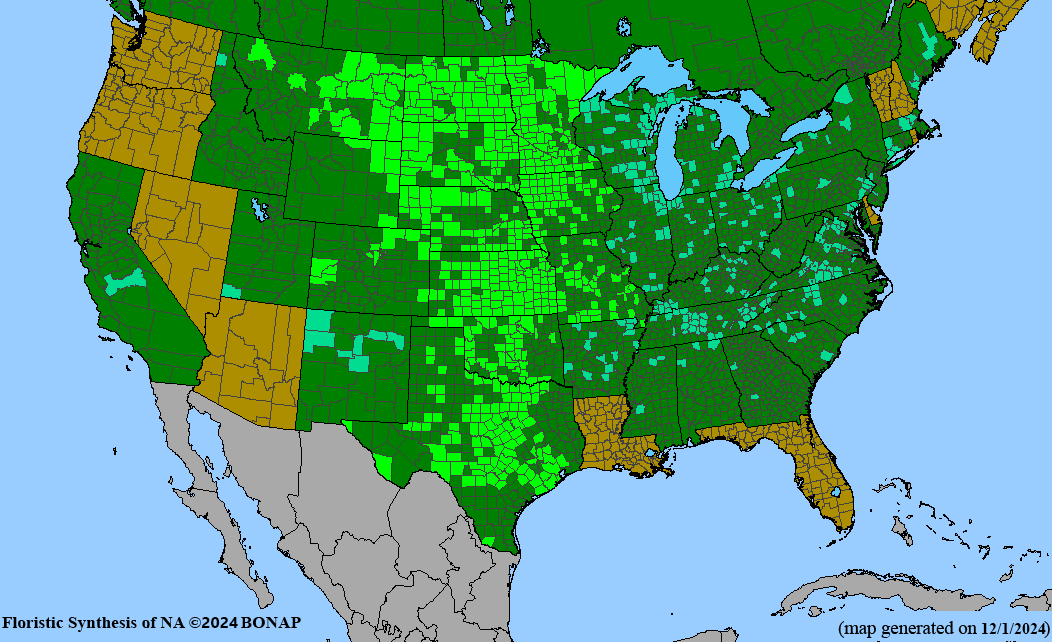
Maximilian Sunflower Seeds (Helianthus maximiliani) - Native Wildflower
- Free delivery on orders over $50
- In stock, ready to ship
- Inventory on the way
Majestic Maximilian Sunflower - A Prairie Giant
Helianthus maximiliani, commonly known as Maximilian Sunflower or Prairie Sunflower, is a towering native perennial that brings spectacular late-season beauty to your landscape. This impressive wildflower can reach heights of 6-10 feet, producing masses of bright golden-yellow blooms from late summer through fall when most other flowers have finished blooming. Named after Prince Maximilian of Wied-Neuwied, this hardy prairie native creates stunning natural screens and wildlife habitat.
Outstanding Features:
- Impressive Height: Grows 6-10 feet tall, creating dramatic vertical interest
- Late Season Bloomer: Provides crucial nectar when few other flowers are available
- Wildlife Magnet: Attracts butterflies, bees, and birds who love the seeds
- Drought Tolerant: Deep taproot makes it extremely resilient once established
- Prairie Heritage: Authentic native that supports declining grassland ecosystems
Growing Information:
Height: 6-10 feet | Spread: 3-4 feet | Sun: Full sun | Soil: Well-draining, adaptable to poor soils | Zones: 4-9
Planting Guide: Direct sow in fall or cold stratify seeds for 30 days before spring planting. Seeds need light to germinate - barely cover with soil. Forms colonies through underground rhizomes, creating naturalized stands.
Create a stunning late-season display that supports declining pollinator and bird populations while providing months of golden blooms and winter seed heads for wildlife.
Here's a comprehensive guide to planting Helianthus maximiliani (Maximilian Sunflower) seeds in the USA, covering both direct sowing and indoor starting:
Site Selection
Sunlight: Maximilian Sunflowers thrive in full sun, needing at least 6 hours of direct sunlight daily.
Soil: They tolerate a wide range of soil types, including clay, as long as it's well-draining.
Space: These sunflowers can grow tall (4-7 feet) and spread, so choose a location where they have ample room.
Direct Sowing Outdoors
Fall Planting: The ideal time to sow seeds directly outdoors is in late fall. This allows the seeds to naturally overwinter and germinate in the spring.
Preparation: Prepare the seedbed by clearing any existing vegetation and loosening the soil.
Planting Depth: Sow seeds about 1/8 inch deep.
Watering: Keep the soil consistently moist, but not waterlogged, until seedlings emerge.
Spring Planting: If planting in spring, wait until after the last frost.
Preparation: Prepare the seedbed as described above.
Planting Depth: Sow seeds about 1 inch deep.
Watering: Water regularly until seedlings are established.
Starting Seeds Indoors
Timing: Start seeds indoors 6-8 weeks before the last expected frost in your area.
Stratification: Maximilian Sunflower seeds benefit from cold stratification. To do this:
Mix seeds with slightly moistened sand or vermiculite.
Place the mixture in a sealed plastic bag.
Refrigerate for 4-6 weeks.
Planting:
Use seed starting mix and plant seeds about 1/8 inch deep in pots or trays.
Keep the soil moist and provide warmth (70-75°F) for germination.
Transplanting: Once seedlings have a few sets of true leaves and the weather has warmed, transplant them outdoors. Harden them off gradually before transplanting.
Maintenance Tips
Watering: Once established, Maximilian Sunflowers are relatively drought-tolerant. Water during prolonged dry spells.
Fertilizing: They don't need much fertilizer, but a balanced fertilizer in spring can be beneficial.
Staking: Taller plants may need staking to prevent them from falling over, especially in windy areas.
Deadheading: If you want to prevent self-seeding, remove spent flower heads before they go to seed.
Invasiveness
Maximilian Sunflowers are native to North America and are not considered invasive in most areas. However, they can spread through their rhizomes (underground stems) and self-seeding. If you want to control their spread, remove seed heads before they mature and divide clumps of plants every few years.
Additional Notes
Scarification: Scarification (scratching or nicking the seed coat) is not usually necessary for Maximilian Sunflowers.
Pollinators: These sunflowers are excellent for attracting pollinators like bees and butterflies to your garden.
Deer Resistance: Maximilian Sunflowers are relatively deer-resistant.