Four-Wing Saltbush Seeds (Atriplex canescens) - Native Shrub
- Free delivery on orders over $50
- In stock, ready to ship
- Inventory on the way
Transform Your Landscape with Four-Wing Saltbush
Create a resilient, wildlife-friendly landscape with Four-Wing Saltbush (Atriplex canescens), one of the most valuable native shrubs of the American West. These hardy seeds produce drought-tolerant shrubs with distinctive silvery-gray foliage and unique four-winged seed pods that provide year-round interest and exceptional wildlife value.
Why Four-Wing Saltbush is Essential for Your Landscape
- Extreme Drought Tolerance: Thrives in arid conditions with minimal water once established
- Wildlife Magnet: Seeds feed quail, rabbits, and small mammals; foliage provides browse for deer
- Erosion Control: Deep root system prevents soil erosion on slopes and disturbed areas
- Salt Tolerance: Grows in saline soils where other plants struggle
- Year-Round Interest: Silvery foliage and distinctive winged seeds provide seasonal beauty
- Low Maintenance: Perfect for xeriscaping and water-wise landscaping
Growing Information
Mature Size: 2-6 feet tall and wide
Spacing: 4-6 feet apart
Sun Requirements: Full sun
Water Needs: Very low once established
Soil: Adaptable to poor, alkaline, and saline soils
Hardiness: Zones 4-9
Planting Instructions
Direct sow seeds in fall or early spring. Scarify seeds lightly and plant 1/4 inch deep. Seeds may take several weeks to germinate. Perfect for restoration projects, wildlife habitat, erosion control, and desert landscaping.
Invest in the future of your landscape with this incredibly resilient native shrub that supports wildlife while requiring minimal care.
🌿 Overview of Atriplex canescens (Fourwing Saltbush)
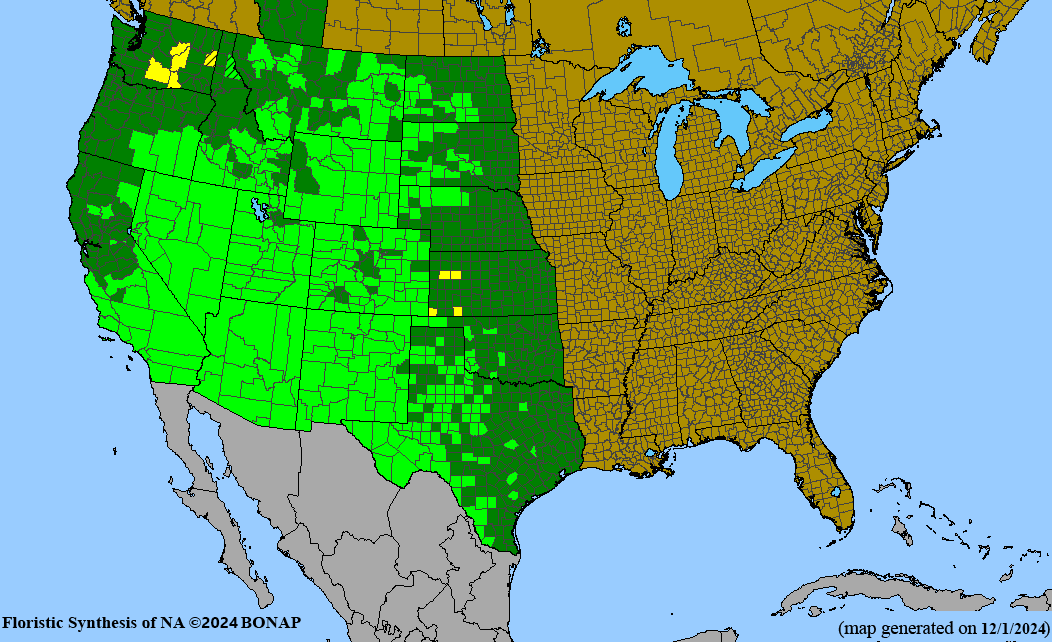
Native Range: Arid and semi-arid regions of the western and southwestern U.S.
Life Cycle: Perennial, woody shrub
Height: 2–6 feet tall and wide
Ecological Value: Excellent erosion control, wildlife forage, pollinator habitat, and windbreak in dry regions
Drought and salt tolerant
🌱 Sowing Options
1️⃣ Direct Sowing Outdoors
Best Time to Sow:
Fall: Best option — takes advantage of natural stratification and rainfall.
Early Spring: Requires cold stratification beforehand for better germination.
Site Selection:
Sunlight: Full sun (minimum 6–8 hours/day).
Soil: Tolerates a wide range — sandy, gravelly, clay, or alkaline soils.
Performs best in well-drained, dry soils.
Soil pH: Tolerates alkaline to neutral (7.0–9.0+)
Soil Preparation:
Light soil prep is usually sufficient.
Loosen soil 2–4 inches deep and remove weeds or debris.
No soil amendments needed — thrives in nutrient-poor, dry conditions.
Planting Depth:
Sow 1/4 to 1/2 inch (6–12 mm) deep.
Firm soil lightly over seeds.
Watering:
Water after sowing.
Keep soil slightly moist for germination, then reduce watering — drought-tolerant once seedlings are established.
Overwatering can hinder establishment.
Stratification:
Cold stratification improves germination rates.
30–60 days cold-moist stratification recommended if sowing in spring.
Fall sowing allows nature to handle this process.
Scarification:
Yes, recommended.
Atriplex canescens seeds often have a tough outer coat.
Light scarification (rubbing with sandpaper or nicking seed coat) can enhance water absorption and germination.
2️⃣ Starting Seeds Indoors (Spring Transplanting)
When to Start:
8–10 weeks before last frost date, allowing time for stratification beforehand.
Growing Setup:
Use deep pots or cells (long taproot develops early).
Mix: Sandy or cactus-style seed mix with good drainage.
Sow 1/4–1/2 inch deep.
Provide bright light and warmth (~65–75°F).
Watering Indoors:
Water sparingly — keep moist but not wet.
Bottom watering is ideal to avoid oversaturation.
Transplanting Outdoors:
Harden off for 7–10 days before transplanting outdoors.
Transplant in full sun with wide spacing (2–4 ft apart).
Water sparingly after transplant until well rooted.
🔧 Maintenance Tips
Extremely low-maintenance and drought-tolerant.
Prune occasionally to shape or manage size.
Deep-rooted; don’t transplant once established.
Great for erosion control, livestock browse, windbreaks, and wildlife habitat.
Avoid overwatering or fertilizing — it thrives on neglect.
🚫 Invasiveness
Not considered invasive.
While it may self-seed under ideal conditions, it does not aggressively spread or displace native species.
Its growth is slow and site-limited, making it suitable for restoration and arid landscaping.