Anise Hyssop Seeds - Native Perennial Herb (Agastache foeniculum)

Regular price$4.00
/
Tax included.

  • Free delivery on orders over $50
  • In stock, ready to ship
  • Inventory on the way
Description

Anise Hyssop - A Fragrant Native Perennial

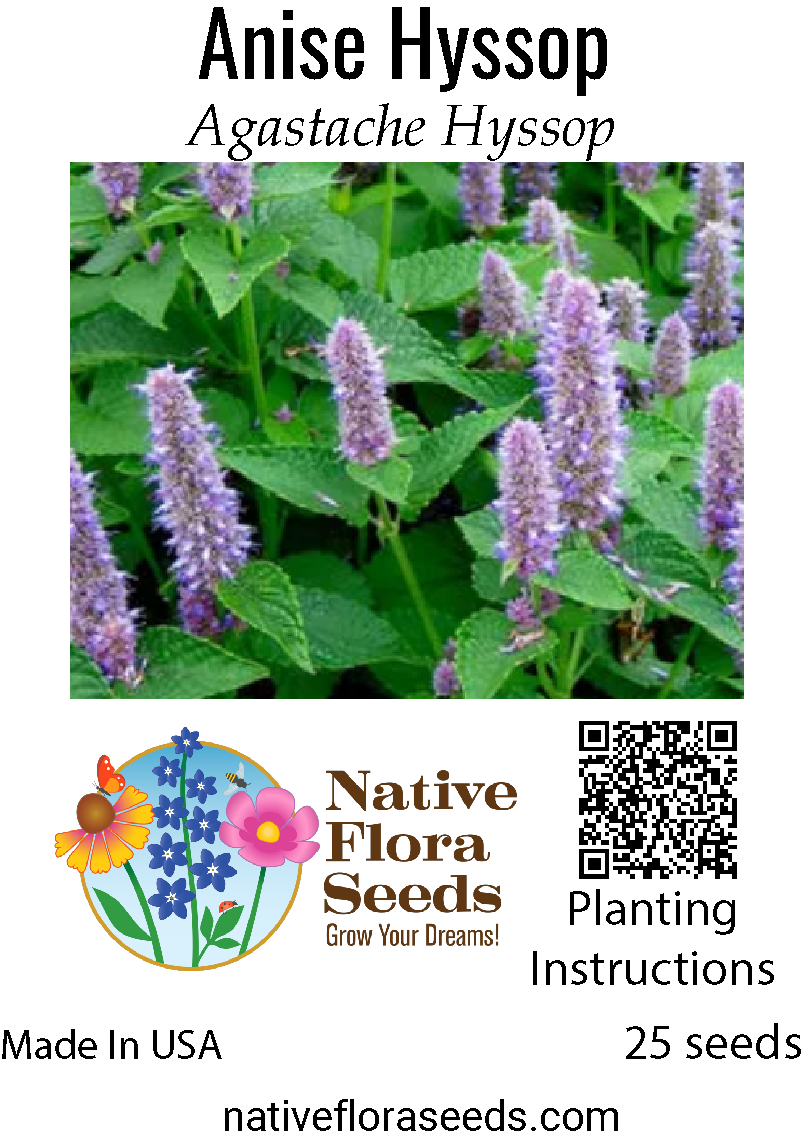
Agastache foeniculum, commonly known as anise hyssop or blue giant hyssop, is a hardy perennial herb in the mint family, prized for its fragrant foliage and spectacular flower spikes. This native North American treasure releases a sweet, licorice-like scent when its leaves are crushed, making it a favorite for teas, culinary uses, and aromatic gardens.

Key Features:

  • Native Heritage: Indigenous North American perennial herb
  • Aromatic Foliage: Sweet, licorice-scented leaves perfect for teas and cooking
  • Stunning Blooms: Dense spikes of violet to lavender-blue flowers from midsummer to fall
  • Pollinator Magnet: Highly attractive to bees, butterflies, and hummingbirds
  • Drought Tolerant: Resilient and low-maintenance once established
  • Culinary Uses: Leaves and flowers are edible with a sweet anise flavor

Growing Information:

Anise hyssop thrives in full sun and well-drained soil, reaching heights of 2 to 4 feet. This versatile plant blooms from midsummer to early fall, providing continuous color and fragrance. Beyond its ornamental value, it plays a crucial role in supporting biodiversity and is excellent for native plant gardens, herb gardens, and pollinator habitats.

Perfect for: Native herb gardens, pollinator gardens, tea gardens, culinary gardens, and naturalized landscapes.

🌱 Planting Instructions β€” Anise Hyssop

1. Site Selection


  • Sun: Full sun (6+ hours daily) for best blooms. Tolerates very light afternoon shade.

  • Soil: Well-drained; prefers loam or sandy loam but tolerates average garden soil if drainage is good.

  • pH: Slightly acidic to neutral (6.0–7.5).

2. Planting from Seed Outdoors


  • Timing: Sow outdoors after last frost (typically March–April in East Texas).

  • Soil Prep: Loosen top 2–3 inches; remove weeds. Work in compost for better fertility.

  • Sowing Depth: Lightly press seeds into soil surface; do not cover deeply β€” they need light to germinate.

  • Spacing: Thin or transplant to 12–18 inches apart for airflow and mature size.

Germination:


  • Usually 14–21 days if kept moist and temperatures are 60–70Β°F.

3. Starting Indoors (Recommended for Earlier Blooms)


  • Timing: Start seeds indoors 6–8 weeks before last frost.

  • Light: Provide bright light or grow lights β€” seeds need light to sprout.

  • Temperature: Ideal 65–70Β°F.

  • Transplant: Harden off and move outside once danger of frost is past.

4. Watering


  • Water regularly until established.

  • Once mature, plants are fairly drought-tolerant but bloom better with moderate watering in prolonged dry spells.

5. Maintenance


  • Deadhead spent blooms to encourage more flowers and prolong blooming.

  • Cut back stems to a few inches above ground after frost in late fall or early winter.

  • Divide clumps every 3–4 years if they become crowded.

6. Wildlife & Companion Tips


  • Attracts: Bees, butterflies, hummingbirds.

  • Deer resistant: Aromatic foliage deters browsing.

  • Pairs well with other pollinator-friendly natives like bee balm, blazing stars, and coneflowers.
Anise Hyssop Seeds - Native Perennial Herb (Agastache foeniculum) - NativeFloraSeeds.org
Grow Level
Yes
Super easy to sprout, has a delicious sweet licorice scent, and is a complete bumblebee magnet!
US Heritage
Native Wildflower
A prized North American native famous for its fragrant foliage and purple flower spikes.
Winter Sleep (Cold Strat)
Required: Low (30 Days)
Benefits from a 30-day cold moist stratification, but many will grow with direct spring sowing.
Best Planting Time
Spring or Fall
Sow seeds on the surface in spring (they need light to sprout) or outdoors in the Fall.
Plant Nature
Perennial
Lush perennial that grows rapidly, self-seeds, and returns faithfully every spring!

Seasonal Sowing Advisor

Select the current season in your region to view clear instructions on optimal sowing and plant care activities.

Sprouting in the Springtime

Sowing: Press seeds gently onto the surface of warm, sunny soil. Mist lightly to keep the soil surface moist.

  • Optimal Soil Temp: Sown seeds germinate best when soil temperatures reach 55 degrees F to 70 degrees F (13 degrees C to 21 degrees C).
  • Moisture Management: Keep the seedbed consistently moist but never soggy to prevent seed rot.
  • Sowing Tip: Mark your seedling rows or sowing areas with plant labels to monitor emergence and avoid accidental weeding.

Growing in the Summer Heat

Pollinator peak: Lavender-purple flower spikes emerge, attracting high numbers of bees. Leaves release a pleasant anise aroma.

  • Watering Schedule: Water early in the morning to minimize evaporation and prevent fungal diseases.
  • Sun Exposure: Most native varieties thrive in full sun, but check species-specific requirements for heat stress.
  • Pollinator Benefit: Summer blooms act as critical nectar sources for bees, butterflies, and other essential pollinators.

Sowing in the Cool Autumn

Natural seeding: Allow flower spikes to dry on the plant. Shake spikes over desired areas to distribute seeds for next season.

  • Direct Seeding: Scatter seeds directly over cleared soil. Press seeds firmly into the ground for optimal seed-to-soil contact.
  • Natural Moisture: Autumn rains and winter snow help settle seeds into the soil, initiating natural cold cycles.
  • Seed Harvesting: Collect mature seed heads from established plants to hand-sow in new areas or store for spring.

Dreaming in the Chilly Winter

Overwintering: Foliage dies back to the ground. Roots remain hardy under mulch, ready to emerge when soil temperatures warm.

  • Cold Stratification: Outdoor sowing relies on natural cold-moist winter cycles to break seed dormancy.
  • Indoor Starts: If starting early indoors, utilize seed trays under grow lights 6 to 8 weeks before the last frost date.
  • Sowing Tip: Protect outdoor winter-sown beds with light mulch or wire mesh to prevent disturbance by foraging birds or rodents.
Testimonials

β˜…β˜…β˜…β˜…β˜…

I love Native Sunflowers in my home garden and landscape.

Mary Hoggins
Tyler, Texas
β˜…β˜…β˜…β˜…β˜…

Last year in the Fall, I collected a lot of seeds I planted this year.

Roger Holmes
Dallas, Texas
β˜…β˜…β˜…β˜…β˜…

They really added a big splash of color to the front of my house garden bed. Love them!

Audrey Long
Mobile, Alabama

Recently viewed