Butterfly Milkweed Seeds - Native Orange Wildflower for Monarch Gardens

Regular price$4.00
/
Tax included.

  • Free delivery on orders over $50
  • In stock, ready to ship
  • Inventory on the way

Essential for Monarch Butterfly Conservation

Asclepias tuberosa is the crown jewel of pollinator gardens, producing brilliant orange flower clusters that serve as a vital nectar source and host plant for monarch butterflies. This stunning native perennial is absolutely essential for anyone serious about supporting monarch migration and creating a thriving butterfly habitat.

Why Butterfly Milkweed is a Must-Have

  • Monarch Magnet: The only plant monarch caterpillars can eat - critical for their survival
  • Spectacular Blooms: Vibrant orange flowers bloom for months, attracting countless butterflies
  • Drought Champion: Deep taproot makes it incredibly drought tolerant once established
  • Long-Lived Perennial: Returns stronger each year for decades of butterfly support
  • Native Excellence: Perfectly adapted to North American conditions

Growing Details

Height: 1-3 feet | Bloom Time: Mid-summer through fall | Native to prairies and open woodlands across North America

Perfect for butterfly gardens, prairie restorations, pollinator habitats, and xeriscaping. This conservation-critical plant establishes slowly but becomes a cornerstone of any wildlife-friendly landscape. Every garden needs this monarch lifeline!

Propagation:

  • Fall planting is ideal, as seeds naturally undergo cold stratification during winter. In cold climates, sow seeds after a hard frost.  In warmer climates, seeds can be sown in late fall or winter. 
  1. Remove vegetation from the area to be planted and loosen the top few inches of soil. 
  2. Add compost. 
  3. Mix seeds with sand to help with broadcasting.  Scatter the seeds over the prepared area.
  4. Press the seeds lightly into the soil to ensure good seed to soil contact, and water gently.  Do not bury the seeds as light is needed for seeds to germinate.
  5. Seedlings will emerge in the spring after the last frost.
  6. Seedlings can be carefully moved to their permanent location when they are 3-4 inches tall.  
  • Spring planting:  Butterfly weed requires cold moist stratification prior to sowing seeds in the spring. 
  1. Cold Moist Stratification:  At least six weeks before planting, soak the seeds in water for 24 hours.  Drain and spread the seeds on a damp paper towel and cover with another damp paper towel.  Place the seeds in a zip-lock bag and place the bag in the refrigerator for six weeks. Other materials can be used other than paper towels, such as a coffee filter or a mixture of equal parts of perlite/vermiculite.  The material must be damp but not dripping wet. 
  2. Following cold moist stratification and after any danger of frost has passed, seeds can be sown outdoors.  Follow Steps 1-6 in the Fall Planting Instructions above.  Do not bury the seeds as light is needed for seeds to germinate.
  • Indoor Planting:
  1. Follow instructions for cold moist stratification above
  2. Plant seeds indoors being careful not to bury the seeds as light is needed for germination.  
  3. Transplant outdoors after the danger of frost has passed. 
  • Root cuttings: In the fall, cut the taproot into 2-inch sections and plant each section vertically, keeping the area moist.

Site Selection:

  • Prefers full sun (6+ hours of direct sunlight daily).
  • Thrives in well-draining soils; tolerates sandy, rocky, or clay soils but dislikes wet feet.

Soil Preparation:

  • No need to amend soil with fertilizer; Butterfly Milkweed grows best in nutrient-poor conditions.

Watering:

  • Water regularly during germination and establishment.
  • Once established, Butterfly Milkweed is drought tolerant.

Maintenance Tips:

  • Mulch around plants to conserve moisture and suppress weeds.
  • Avoid over-fertilizing; excess nutrients can reduce flowering.
  • Deadhead spent flowers to promote continuous blooming and prevent aggressive self-seeding.
Butterfly Milkweed Seeds - Native Orange Wildflower for Monarch Gardens
Grow Level
Intermediate
Needs a little patience to sprout, but creates an essential home for Monarch butterflies!
US Heritage
Native Wildflower
A crucial native host plant for the spectacular Monarch Butterfly.
Winter Sleep (Cold Strat)
Required: High (30-60 Days)
Needs 30 to 60 days of cold, damp sleep in a fridge (cold stratification) to trigger germination.
Best Planting Time
Fall or Early Spring
Late Fall is perfect! Nature will do the cold stratification for you during winter.
Plant Nature
Perennial
Develops a deep taproot and returns year after year, even after harsh winters!

Seasonal Sowing Advisor

Select the current season in your region to view clear instructions on optimal sowing and plant care activities.

Sprouting in the Springtime

Sprouting phase: Be patient, as milkweed emerges later in spring than other perennials, requiring thoroughly warmed soil.

  • Optimal Soil Temp: Sown seeds germinate best when soil temperatures reach 55 degrees F to 70 degrees F (13 degrees C to 21 degrees C).
  • Moisture Management: Keep the seedbed consistently moist but never soggy to prevent seed rot.
  • Sowing Tip: Mark your seedling rows or sowing areas with plant labels to monitor emergence and avoid accidental weeding.

Growing in the Summer Heat

Ecological support: Serves as a vital host plant for Monarch butterflies; expect to see Monarch caterpillars feeding on the nutrient-rich foliage.

  • Watering Schedule: Water early in the morning to minimize evaporation and prevent fungal diseases.
  • Sun Exposure: Most native varieties thrive in full sun, but check species-specific requirements for heat stress.
  • Pollinator Benefit: Summer blooms act as critical nectar sources for bees, butterflies, and other essential pollinators.

Sowing in the Cool Autumn

Natural sowing: Sow seeds outdoors in autumn to allow winter moisture and freezing temperatures to naturally break seed dormancy.

  • Direct Seeding: Scatter seeds directly over cleared soil. Press seeds firmly into the ground for optimal seed-to-soil contact.
  • Natural Moisture: Autumn rains and winter snow help settle seeds into the soil, initiating natural cold cycles.
  • Seed Harvesting: Collect mature seed heads from established plants to hand-sow in new areas or store for spring.

Dreaming in the Chilly Winter

Stratification phase: Sown seeds undergo essential cold stratification outdoors. Established roots remain dormant under the soil.

  • Cold Stratification: Outdoor sowing relies on natural cold-moist winter cycles to break seed dormancy.
  • Indoor Starts: If starting early indoors, utilize seed trays under grow lights 6 to 8 weeks before the last frost date.
  • Sowing Tip: Protect outdoor winter-sown beds with light mulch or wire mesh to prevent disturbance by foraging birds or rodents.
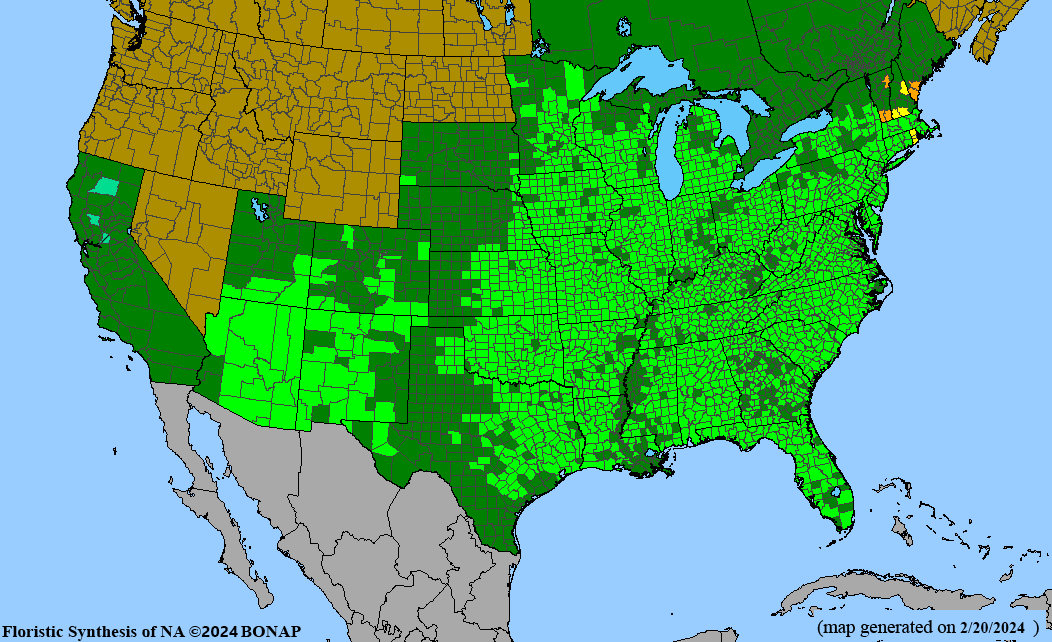

Native Plant Map

Butterfly Milkweed - Asclepias tuberosa

Dark Green indicates the plant is native within the state, and the lime green indicates where the plant is present in a county withoin a state.

Map Credits BONAP©2024

Native Flora Seeds and Homegrown National Park Join forces.

All of the profits from our seed sales are donated to Homegron National Park. Your purchase will help support the critical need to improve biodiversity and native plant habitat.

Testimonials

★★★★★

I love Native Sunflowers in my home garden and landscape.

Mary Hoggins
Tyler, Texas
★★★★★

Last year in the Fall, I collected a lot of seeds I planted this year.

Author's name
Dallas, Texas
★★★★★

They really added a big splash of color to the front of my house garden bed. Love them!

Audrey Long
Mobile, Alabama

Recently viewed