Evening Primrose Seeds (Oenothera biennis) - Native Wildflower
- Free delivery on orders over $50
- In stock, ready to ship
- Inventory on the way
Discover the Magic of Evening Primrose
Experience the enchanting beauty of Evening Primrose (Oenothera biennis), a remarkable native biennial that transforms your garden into a nocturnal paradise. These versatile seeds produce tall, elegant plants with fragrant yellow flowers that open dramatically at dusk, creating a magical evening display.
Why Evening Primrose is Perfect for Your Garden
- Evening Drama: Large yellow flowers open at dusk with a sweet fragrance
- Pollinator Haven: Attracts moths, bees, and evening pollinators
- Multi-Purpose Plant: Edible leaves, roots, and oil-rich seeds with traditional uses
- Hardy Survivor: Thrives in poor soils and drought conditions
- Self-Seeding: Naturalizes beautifully, returning year after year
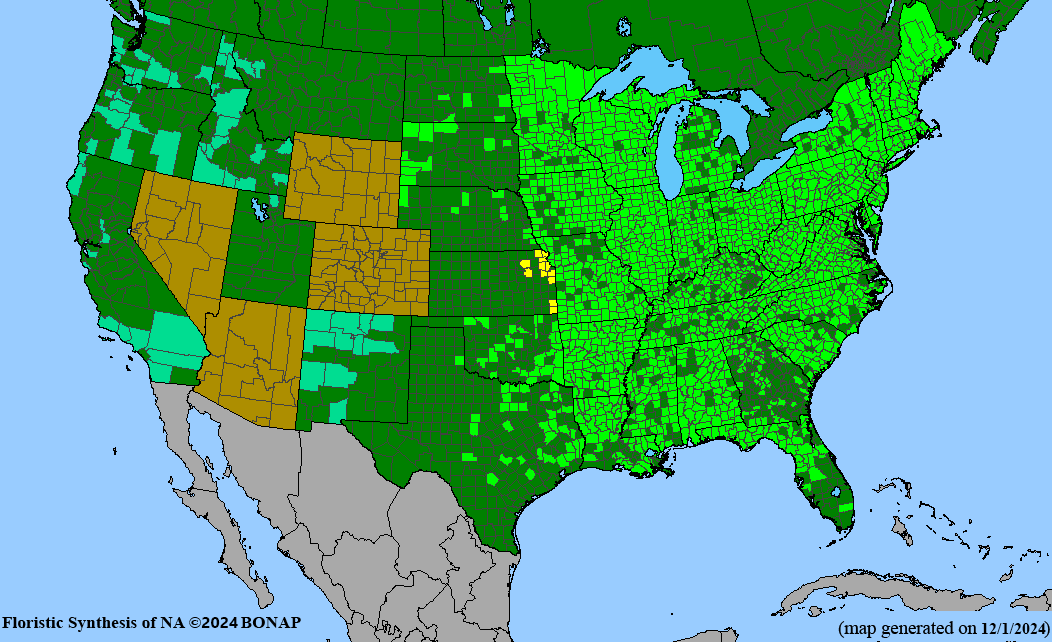
- Native to All 50 States: Perfectly adapted to North American conditions
Growing Information
Bloom Time: June through September (second year)
Height: 3-6 feet
Spacing: 12-18 inches apart
Sun Requirements: Full sun to partial shade
Water Needs: Low to moderate, drought tolerant
Soil: Adaptable to poor soils, well-draining preferred
Planting Instructions
Direct sow seeds in fall or early spring. Seeds need light to germinate - scatter on soil surface and lightly press in. Plants form rosettes the first year and bloom the second year. Perfect for wildflower meadows, cottage gardens, and naturalized areas.
Create an enchanting evening garden with this fragrant native that connects you to centuries of traditional plant wisdom.
🌼 Overview of Oenothera biennis (Common Evening Primrose)
Native Range: Widespread across most of the United States
Life Cycle: Biennial (first year: basal rosette; second year: flowering and seed production)
Height: 3–6 feet in second year
Bloom Time: Midsummer to fall (second year)
Ecological Value: Excellent for pollinators (moths, bees, butterflies) and night-blooming wildlife gardens
Medicinal and edible uses: Roots, seeds, and leaves have traditional uses
🌱 Sowing Options
1️⃣ Direct Sowing Outdoors
Best Time to Sow:
Fall (preferred): Natural cold stratification improves germination.
Spring: Also possible, but pre-treatment with stratification improves results.
Site Selection:
Sunlight: Full sun (6–8 hours/day minimum); tolerates light shade.
Soil: Adaptable to many soils—well-drained loam, sand, clay, or gravelly soil.
Prefers poor to moderately fertile soil.
Soil pH: Neutral to slightly acidic (6.0–7.0)
Soil Preparation:
Loosen soil to about 6–8 inches deep.
Remove weeds and rake smooth.
No fertilization needed — excessive nutrients can cause leggy growth.
Planting Depth:
Surface sow or press into soil lightly.
Seeds need light to germinate—do not bury deeply.
If covering, use a dusting of fine soil or sand (~1/16 inch).
Watering:
Gently water after sowing.
Keep soil lightly moist until germination (10–30 days depending on conditions).
Once established, drought-tolerant, needs only occasional watering.
Stratification:
Recommended but not strictly required.
For spring sowing: cold-moist stratification for 30–60 days enhances germination.
Fall sowing provides natural stratification over winter.
Scarification:
Not necessary.
2️⃣ Starting Seeds Indoors (for Spring Transplanting)
When to Start:
6–8 weeks before last frost, after completing 30–60 days of cold stratification in moist medium in the refrigerator.
Growing Setup:
Use seed trays or small pots with well-draining seed-starting mix.
Surface sow or press seeds lightly onto the soil.
Maintain light and warmth (~65–75°F).
Provide bright light (12–16 hours/day) using a sunny window or grow lights.
Watering Indoors:
Keep soil moist (not wet) using misting or bottom-watering.
Transplanting Outdoors:
Harden off for 7–10 days before transplanting after frost risk passes.
Transplant in full sun at 12–18 inches spacing.
🔧 Maintenance Tips
Low-maintenance biennial — will reseed and naturalize easily.
Water during prolonged droughts, especially in first year.
Does not require fertilizer.
Remove seed heads to limit reseeding, or allow some to self-sow.
Often grown for wildflower meadows, pollinator gardens, and roadside plantings.
🚫 Invasiveness
Not considered invasive in native range, but can self-seed prolifically.
In garden settings, may spread beyond intended area if seed heads are not removed.
Easy to control by deadheading or cutting down before seeds mature.