Gayfeather Blazing Star Seeds (iatris punctata var. mucronata) - Native Wildflower
- Free delivery on orders over $50
- In stock, ready to ship
- Inventory on the way
Create Spectacular Garden Drama with Native Gayfeather Blazing Star
Transform your landscape with the magnificent Gayfeather Blazing Star (Liatris punctata var. mucronata), one of North America's most beloved native wildflowers. These stunning perennials produce towering spikes of vibrant purple flowers that create breathtaking vertical drama in any garden setting.
Why Choose Gayfeather Blazing Star?
- Pollinator Paradise: Irresistible to butterflies, bees, and hummingbirds - a true wildlife magnet
- Drought Champion: Thrives with minimal water once established, perfect for sustainable gardening
- Extended Blooms: Spectacular flower display from mid-summer through early fall
- Cut Flower Excellence: Outstanding for fresh bouquets and dried arrangements
- Deer Resistant: Natural protection from browsing wildlife
- Easy Care: Low-maintenance perennial that naturalizes beautifully
Plant Specifications
- Height: 2-4 feet tall with impressive flower spikes
- Bloom Time: Mid-summer to early fall
- Flower Color: Rich purple-pink in dense, bottlebrush spikes
- Hardiness: Perennial in zones 3-9
- Soil: Well-draining, tolerates poor and sandy soils
- Growth Habit: Forms attractive clumps that expand over time
Perfect for prairie gardens, pollinator habitats, cut flower gardens, and creating stunning vertical accents that celebrate America's native flora while supporting beneficial wildlife and sustainable gardening practices.
🌿 Overview of Liatris spicata (Dense Blazing Star / Gayfeather)
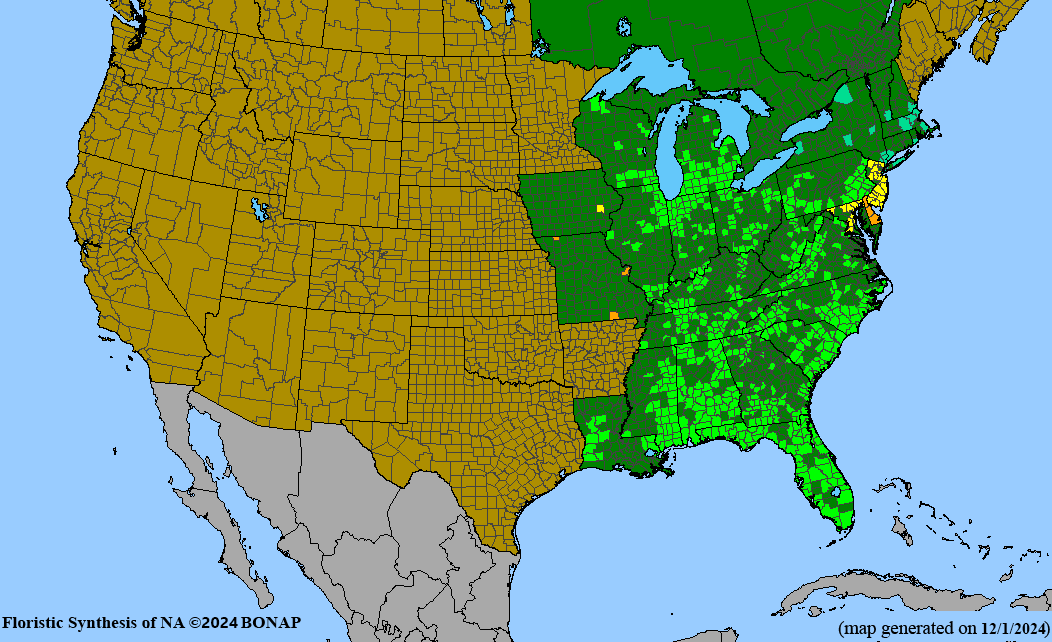
Native Range: Eastern and central United States
Life Cycle: Perennial
Height: 2–4 feet
Bloom Time: Mid-to-late summer (July–September)
Ecological Value: Highly attractive to butterflies (including Monarchs), bees, and other pollinators
Garden Use: Excellent for native plant gardens, meadows, borders, and cut flower arrangements
🌱 Sowing Options
1️⃣ Direct Sowing Outdoors
Best Time to Sow:
Fall (preferred): Natural winter stratification helps break dormancy.
Early Spring: Also effective if seeds are stratified in advance (see below).
Site Selection:
Sunlight: Requires full sun (minimum 6–8 hours of direct light daily).
Soil: Prefers moist, well-drained soil, but tolerates loam, sandy loam, or even clay if not waterlogged.
Soil pH: Neutral to slightly acidic (6.0–7.0)
Soil Preparation:
Loosen soil to 6–8 inches.
Remove weeds and debris.
Improve drainage in clay soils by adding compost or coarse sand.
Planting Depth:
Surface sow or cover very lightly (1/16 to 1/8 inch) — seeds need some light for germination.
Press seeds gently into soil for good contact.
Watering:
Water lightly after sowing.
Keep soil consistently moist until germination (usually 14–28 days).
Once established, water during drought; otherwise, low water needs.
Stratification:
Recommended for better germination.
Cold-moist stratify seeds for 30–60 days before sowing in spring.
Fall sowing naturally accomplishes this.
Scarification:
Not required.
2️⃣ Starting Seeds Indoors (Spring Transplanting)
When to Start:
8–10 weeks before last frost, allowing for 30–60 days of stratification first.
Growing Setup:
Use trays or pots with moist, well-draining seed-starting mix.
Surface sow or barely cover seeds.
Provide 12–16 hours of bright light per day (grow lights or a sunny window).
Ideal germination temp: 65–75°F
Watering Indoors:
Mist or bottom-water to avoid disturbing seeds.
Keep evenly moist, not soggy.
Transplanting Outdoors:
Harden off seedlings for 7–10 days before transplanting outdoors.
Plant in full sun, spacing 12–18 inches apart in moist, well-drained soil.
🔧 Maintenance Tips
Easy to grow and long-lived.
Water regularly during first year; then drought-tolerant.
Fertilizing is not needed; excess nutrients may reduce bloom.
Deadheading is optional but helps appearance.
Cut back dead stems in late fall or early spring.
Plants grow from corms; can be divided every 3–5 years if clumps become crowded.
🚫 Invasiveness
Not considered invasive.
Slow to spread — spreads modestly by seed or corm division.
Well-behaved in both naturalistic and formal gardens.