Globe Gilia Seeds (Gilia capitata) - Native Wildflower
- Free delivery on orders over $50
- In stock, ready to ship
- Inventory on the way
Add Delicate Beauty with Native Globe Gilia
Discover the charming Globe Gilia (Gilia capitata), a delightful native annual that brings soft, powder-blue spherical blooms to your wildflower garden. These enchanting flowers create a dreamy, cottage garden atmosphere while supporting native pollinators.
Why Choose Globe Gilia?
- Unique Globe Flowers: Distinctive round clusters of tiny blue flowers create stunning visual texture
- Pollinator Favorite: Attracts beneficial insects, butterflies, and native bees
- Easy to Grow: Self-seeding annual that naturalizes beautifully in suitable conditions
- Cut Flower Charm: Perfect for delicate bouquets and cottage-style arrangements
- Drought Tolerant: Thrives with minimal water once established
- Native Heritage: Authentic western North American wildflower
Plant Specifications
- Height: 1-3 feet tall with branching stems
- Bloom Time: Late spring to mid-summer
- Flower Color: Soft powder-blue to lavender
- Hardiness: Annual, self-seeding in favorable conditions
- Soil: Well-draining, sandy or rocky soils preferred
- Growth Habit: Upright with delicate, feathery foliage
Perfect for wildflower meadows, cottage gardens, cut flower gardens, and creating soft, naturalistic plantings that celebrate the subtle beauty of native western flora.
🌸 Overview of Gilia capitata (Globe Gilia / Blue Thimble Flower)
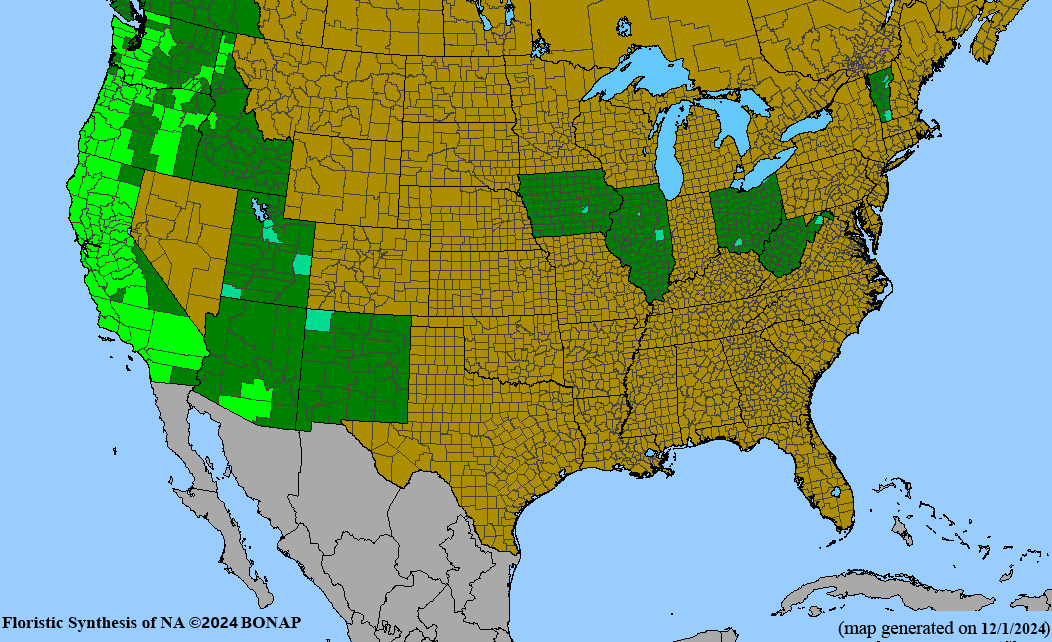
Native Range: Western U.S., especially California, but adaptable across many regions of the U.S.
Life Cycle: Annual
Height: 1–2.5 feet
Bloom Time: Late spring through summer
Pollinator-Friendly: Attracts bees, butterflies, and beneficial insects
Common Use: Wildflower meadows, pollinator gardens, naturalized plantings
🌱 Sowing Options
1️⃣ Direct Sowing Outdoors
Best Time to Sow:
Fall (ideal in mild climates): For earlier bloom and natural cold stratification.
Early Spring: As soon as soil is workable.
Site Selection:
Sunlight: Requires full sun (at least 6 hours/day).
Soil: Prefers well-drained soils; thrives in sandy or loamy soils. Avoid heavy clay or soggy soils.
Soil pH: Neutral to slightly acidic (6.0–7.0)
Soil Preparation:
Loosen soil to 4–6 inches deep.
Remove weeds and debris.
Optional: Add a small amount of compost if soil is very poor, but avoid heavy amendments.
Planting Depth:
Surface sow or press seeds lightly into the soil.
Seeds need light to germinate, so do not bury them deeply.
If covering, do so very lightly (1/16 inch max).
Watering:
Water gently after sowing.
Keep soil lightly moist until germination (typically 7–21 days depending on temperature).
Once established, low water needs — drought-tolerant.
Stratification:
Not required, but a brief cold exposure (7–14 days) may enhance germination in spring sowings.
Fall sowing naturally takes care of this.
Scarification:
Not necessary.
2️⃣ Starting Seeds Indoors (Spring Transplanting)
When to Start:
4–6 weeks before your last frost date.
Growing Setup:
Use seed trays or small pots with a well-draining seed-starting mix.
Surface sow seeds — do not cover deeply.
Provide bright light (12–16 hours/day) with grow lights or a sunny window.
Watering Indoors:
Mist or bottom water to avoid washing away seeds.
Keep soil lightly moist (not soggy).
Transplanting Outdoors:
Harden off seedlings for 7–10 days before transplanting.
Space plants 6–12 inches apart in full sun location with good drainage.
🔧 Maintenance Tips
Low-maintenance, easy-to-grow annual.
Deadhead to prolong blooming (optional).
No fertilizer needed; does well in nutrient-poor soils.
May reseed lightly in suitable conditions.
Great companion in pollinator mixes, native wildflower beds, and dry gardens
.
🚫 Invasiveness
Not considered invasive.
May reseed mildly in suitable conditions but does not spread aggressively or displace native perennials.