Golden Ragwort Seeds (Packera aurea) - Native Wildflower
- Free delivery on orders over $50
- In stock, ready to ship
- Inventory on the way
Illuminate Your Garden with Golden Ragwort
Discover the early spring beauty of Golden Ragwort (Packera aurea), one of the first native wildflowers to bloom each year. This stunning perennial creates carpets of bright golden-yellow daisy-like flowers that herald the arrival of spring.
Why Choose Golden Ragwort?
- Early Bloomer: First flowers appear in early spring, providing crucial early nectar for pollinators
- Shade Tolerant: Thrives in partial to full shade where many wildflowers struggle
- Ground Cover: Forms attractive colonies that suppress weeds naturally
- Native Excellence: Indigenous North American wildflower perfectly adapted to local conditions
- Wildlife Value: Essential early food source for native bees, butterflies, and beneficial insects
Growing Information
Height: 1-2 feet tall
Spread: 1-2 feet wide, spreads by rhizomes
Light: Partial shade to full shade
Soil: Moist, well-drained soil, tolerates various soil types
Zones: Hardy in USDA zones 3-9
Bloom Time: March to May
Ideal for woodland gardens, shade borders, rain gardens, and naturalized areas. Golden Ragwort is perfect for those challenging shady spots where you want reliable spring color and ecological value.
🌼 Overview of Packera aurea (Golden Ragwort)
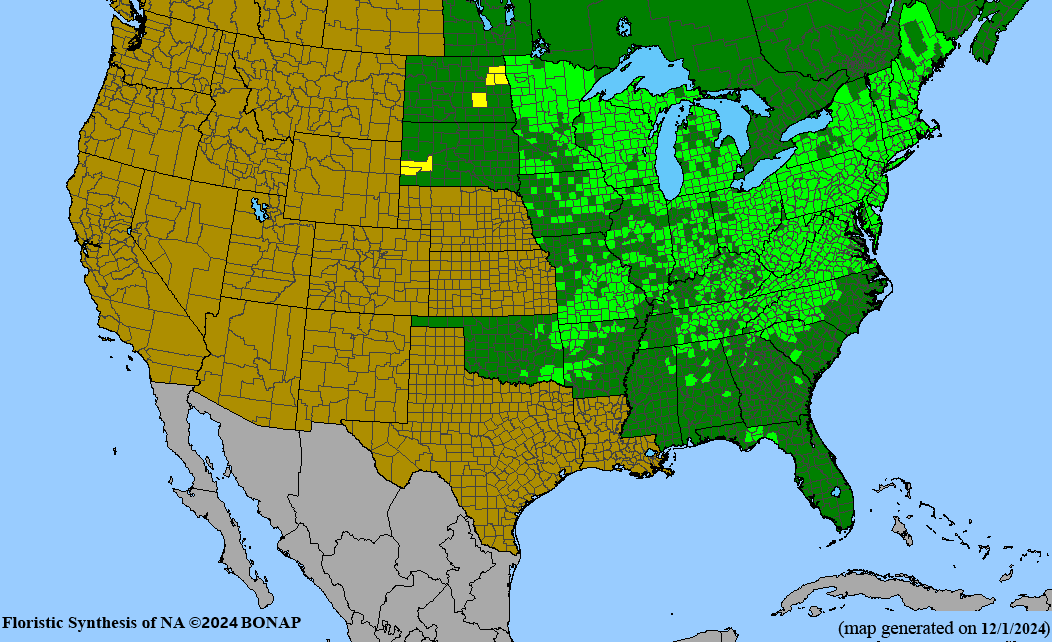
Native Range: Eastern and central USA
Growth Habit: Perennial, spreads by both seed and rhizomes
Height: 1–2 feet when in bloom
Bloom Time: Spring (April–June)
Ecological Value: Attracts pollinators; provides early spring nectar
Groundcover potential: Effective native groundcover for moist areas
🌱 Sowing Options
1️⃣ Direct Sowing Outdoors
Best Time to Sow:
Fall (ideal): Mimics natural cold stratification.
Early Spring: With prior stratification treatment.
Site Selection:
Sunlight: Tolerates full sun to full shade, but thrives best in part shade to full shade.
Soil: Prefers moist, rich, well-drained soils, often found in woodland edges, low meadows, rain gardens, or stream banks.
Soil pH: Slightly acidic to neutral (5.5–7.0)
Soil Preparation:
Loosen top 4–6 inches of soil.
Remove weeds and enrich soil with compost if necessary.
Ensure soil retains moisture but drains well.
Planting Depth:
Surface sow or cover very lightly (no more than 1/16 inch). Seeds need light for optimal germination.
Watering:
Gently water after sowing.
Keep soil consistently moist (but not soggy) during germination and seedling development.
Stratification:
Yes – cold stratification improves germination.
Recommended: 30–60 days cold moist stratification
Fall sowing naturally fulfills this requirement.
For spring sowing: store seeds in the refrigerator in moist sand or vermiculite for 1–2 months.
Scarification:
Not required.
2️⃣ Starting Seeds Indoors (Spring Transplanting)
When to Start:
Begin cold stratification 6–10 weeks before your desired sowing time.
Sow indoors 4–6 weeks before last frost date after stratification period.
Growing Setup:
Use trays or small pots with a moist, well-draining seed-starting mix.
Surface sow or cover lightly with fine soil.
Maintain temperature around 65–70°F with 12–16 hours of light per day.
Watering Indoors:
Mist or bottom water to maintain consistent moisture.
Do not allow mix to dry out or stay overly saturated.
Transplanting Outdoors:
Harden off for 7–10 days before transplanting outdoors.
Plant after last frost in a shaded to part-shade, moist location.
🔧 Maintenance Tips
Low-maintenance once established.
Spreads by rhizomes and will naturalize in moist, shaded areas—good for erosion control or groundcover.
May require occasional thinning if spreading aggressively.
Deadheading not necessary unless you wish to limit reseeding.
Mulch to conserve moisture and suppress weeds.
🚫 Invasiveness
Not considered invasive in native habitats.
It does spread readily by both seed and rhizomes, so monitor boundaries in garden settings if needed—but it doesn’t aggressively crowd out other natives.