Golden Wave Seeds (Coreopsis basalis) - Native Wildflower
- Free delivery on orders over $50
- In stock, ready to ship
- Inventory on the way
Create Stunning Golden Waves in Your Garden
Transform your landscape with Golden Wave (Coreopsis basalis), a spectacular native annual wildflower that produces masses of bright golden-yellow blooms with distinctive red star centers. This drought-tolerant beauty creates breathtaking displays from summer through fall.
Why Choose Golden Wave?
- Continuous Blooms: Flowers from June through September with deadheading
- Pollinator Paradise: Beloved by bees, butterflies, and beneficial insects
- Drought Tolerant: Thrives in hot, dry conditions once established
- Self-Seeding: Annual that readily self-sows for next year's display
- Edible Flowers: Petals add color and mild flavor to salads and teas
- Cut Flower: Excellent for fresh bouquets and arrangements
Growing Information
Height: 1-2 feet tall
Spread: 8-12 inches wide
Light: Full sun
Soil: Well-drained, tolerates poor soils
Zones: Annual in zones 3-9
Bloom Time: June to September
Perfect for wildflower meadows, cottage gardens, borders, and xeriscaping. Golden Wave creates stunning mass plantings and naturalizes beautifully in prairie-style landscapes.
🌼 Overview of Coreopsis basalis (Goldenmane Tickseed)
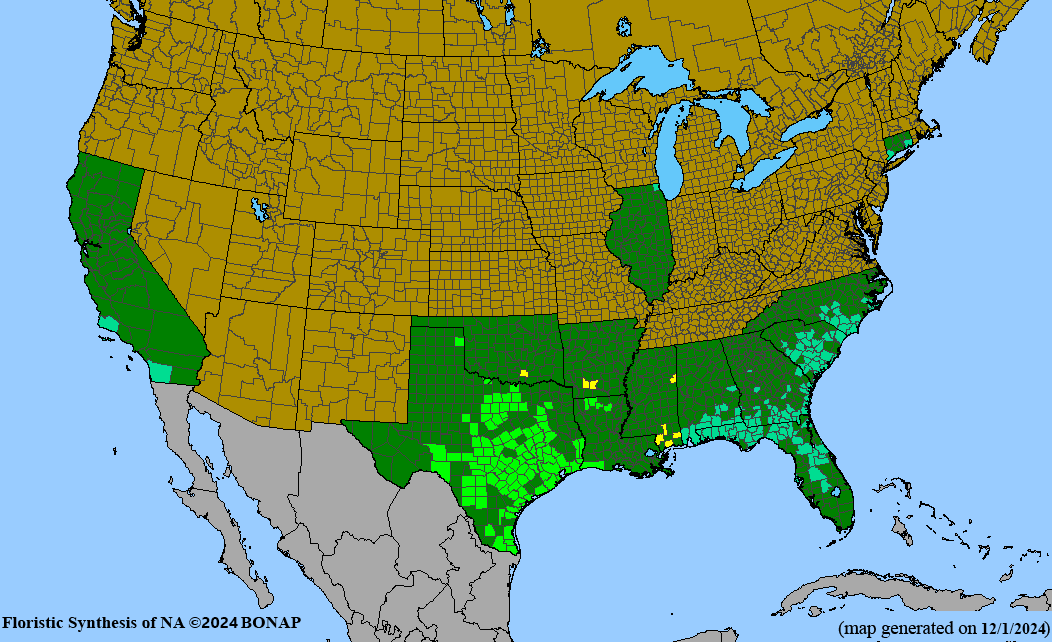
Native Range: Southeastern and south-central U.S., especially Texas and Florida
Life Cycle: Annual (occasionally short-lived perennial in warmer zones)
Height: 1–2 feet
Pollinator-friendly: Attracts bees, butterflies, and other beneficial insects
Bloom Time: Spring through summer
🌱 Sowing Options
1️⃣ Direct Sowing Outdoors
Best Time to Sow:
Fall: Excellent option in southern/warm climates—may overwinter and bloom earlier.
Early Spring: After danger of hard frost has passed and soil begins to warm.
Site Selection:
Sunlight: Full sun (6–8+ hours/day minimum).
Soil: Prefers sandy, well-drained soil.
Tolerates poor/nutrient-lean soils; avoid heavy clay or waterlogged areas.
Soil pH: Neutral to slightly acidic (6.0–7.0)
Soil Preparation:
Loosen soil to about 4–6 inches.
Rake smooth, removing weeds and debris.
Do not over-enrich the soil—plants thrive in low-fertility conditions.
Planting Depth:
Surface sow or press into soil lightly; do not bury.
If covering, do so very lightly with fine soil or sand (~1/16 inch).
Watering:
Water gently after sowing.
Keep soil lightly moist until germination (7–21 days).
Once established, water only during prolonged dry periods.
Stratification:
Not required.
Fall sowing offers natural exposure to weather but isn’t needed for germination success.
Scarification:
Not needed.
2️⃣ Starting Seeds Indoors (for Spring Transplanting)
When to Start:
4–6 weeks before last frost date in your region.
Growing Setup:
Use trays or pots with well-draining seed-starting mix.
Surface sow seeds—do not bury.
Provide bright light (sunny window or grow lights, 14–16 hours/day).
Watering Indoors:
Mist or bottom-water to avoid displacing seeds.
Keep mix lightly moist until germination.
Transplanting Outdoors:
Harden off seedlings for 7–10 days before transplanting outdoors.
Transplant after last frost into a sunny, well-drained location.
🔧 Maintenance Tips
Low-maintenance once established.
Water only during drought; avoid overwatering.
No fertilizer needed; lean soils encourage more blooms.
Deadheading can extend blooming period.
Allow some seedheads to mature for self-seeding next season.
May not overwinter in colder zones, but will self-sow readily in appropriate conditions.
🚫 Invasiveness
Not considered invasive.
Spreads by seed, but does not aggressively overtake other native plants.
Easy to manage in garden settings.