Green Milkweed Seeds (Asclepias viridis) - Native Milkweed
- Free delivery on orders over $50
- In stock, ready to ship
- Inventory on the way
Essential Monarch Butterfly Host Plant - Green Milkweed
Green Milkweed (Asclepias viridis) is a crucial native wildflower and the primary food source for Monarch butterflies across the Central and Southeastern United States. These seeds will help you create a thriving pollinator sanctuary while supporting the Monarch migration.
🦋 Butterfly & Pollinator Benefits:
- Monarch Essential: Primary host plant for Monarch caterpillars, especially vital in Texas
- Multi-Species Support: Host plant for Soldier and Queen butterfly caterpillars
- Nectar Rich: Attracts numerous butterflies, bees, and beneficial pollinators
- Migration Support: Critical for Monarch butterfly conservation efforts
🌱 Plant Characteristics:
- Height: 1-2 feet tall and wide
- Bloom Time: Late spring through summer
- Flowers: Unique green and white clustered blooms
- Light: Full sun to partial shade
- Soil: Well-draining, drought tolerant once established
- Zones: 6-10 (thrives in hot climates)
🎯 Perfect For:
- Monarch butterfly gardens
- Native pollinator habitats
- Xeriscaping and drought-tolerant landscapes
- Prairie and wildflower meadows
- Educational butterfly gardens
- Conservation plantings
Growing Tips: Green Milkweed prefers sandy or rocky soils and is extremely drought tolerant. Seeds benefit from cold stratification for best germination rates.
Each packet contains fresh, viable seeds with detailed planting instructions. Sustainably sourced from native populations to support authentic regional genetics.
🌿 Overview of Asclepias viridis (Green Milkweed)
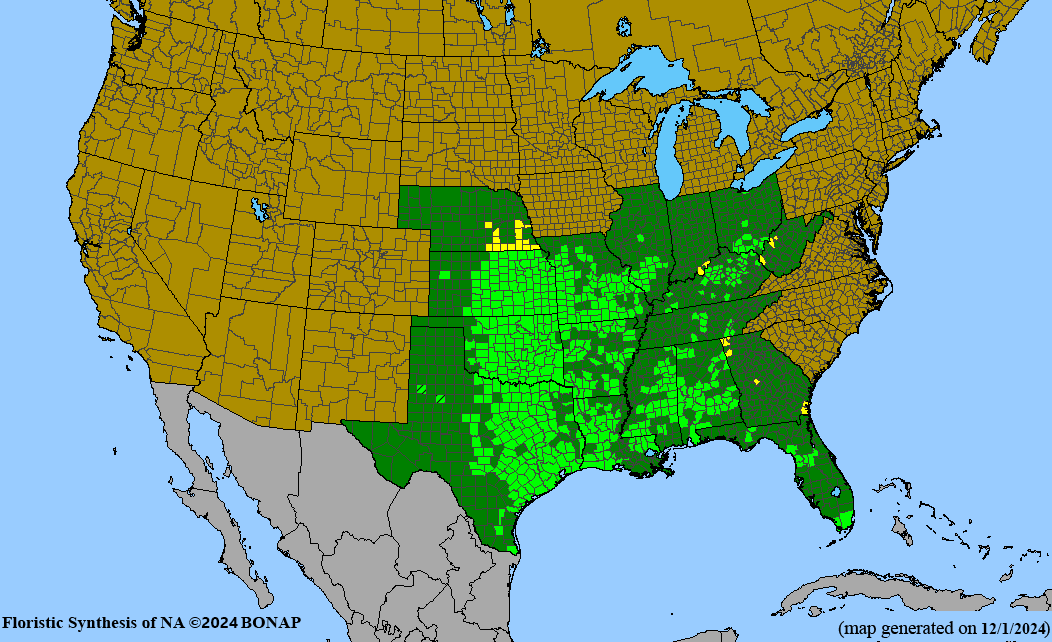
Native Range: Central and southern U.S., especially Great Plains and southeastern states
Host Plant for Monarch Butterflies
Drought-tolerant perennial
Blooms: Late spring to summer
Height: 1.5–3 feet
🌱 Sowing Options
1️⃣ Direct Sowing Outdoors
Best Time to Sow:
Fall (preferred): Mimics natural cycle and ensures cold stratification.
Early spring: With prior cold stratification (see below).
Site Selection:
Sunlight: Full sun (6–8+ hours daily)
Soil Type: Well-drained soils; tolerates clay, loam, and sandy soils.
Soil pH: Neutral to slightly alkaline (6.5–8.0)
Soil Preparation:
Loosen soil to about 6–8 inches.
Remove weeds and incorporate organic matter only if soil is compacted.
Avoid rich, high-nutrient soils—milkweeds prefer leaner soils.
Planting Depth:
1/4 inch (6 mm) deep. Do not surface sow—seeds require darkness to germinate.
Watering:
Water after sowing and keep soil lightly moist until germination.
Once established, water sparingly—A. viridis is drought tolerant.
Stratification:
Yes—required for spring sowing.
Cold-moist stratify for 30–60 days in refrigerator.
Method: Mix seeds with moist sand or vermiculite in a sealed bag and refrigerate.
Fall sowing naturally satisfies this requirement.
Scarification:
Optional but can improve germination.
Lightly nick or sand seed coat before stratifying to help water penetrate the hard seed coat.
2️⃣ Starting Seeds Indoors (for Spring Transplanting)
When to Start:
6–8 weeks before last frost date, after 30–60 days of cold stratification.
Growing Setup:
Use a seed-starting mix in trays or pots with good drainage.
Plant 1/4 inch deep and lightly firm soil on top.
Provide strong light—sunny window or grow lights (14–16 hrs/day).
Watering Indoors:
Keep soil lightly moist until seedlings emerge (may take 10–30 days).
Bottom-watering preferred to avoid disturbing seeds.
Transplanting Outdoors:
Harden off for 7–10 days before transplanting.
Transplant in full sun after risk of frost has passed.
🔧 Maintenance Tips
Low maintenance once established
Avoid overwatering.
No fertilizer needed—can reduce flowering.
Mulching not necessary and may impede seedlings.
Taprooted plant—transplant young to prevent root damage.
Deadheading not essential; pods can be left for seed collection or wildlife.
🚫 Invasiveness
Not considered invasive.
Tends to stay contained; spreads slowly via seed and taproot, not rhizomes.