Greenthread Seeds (Thelesperma filifolium) - Native Wildflower
- Free delivery on orders over $50
- In stock, ready to ship
- Inventory on the way
Vibrant Yellow Blooms for Dry Landscapes - Greenthread
Greenthread (Thelesperma filifolium), also known as Stiff Greenthread or Plains Greenthread, is a resilient native wildflower that brings months of cheerful yellow daisy-like blooms to challenging dry sites. This hardy perennial is perfect for gardeners seeking low-maintenance, drought-tolerant plants that attract pollinators and thrive in poor soils.
🌻 Key Benefits:
- Extended Bloom Period: Bright yellow flowers from late spring through fall
- Extreme Drought Tolerance: Thrives with minimal water once established
- Pollinator Friendly: Attracts butterflies, bees, and beneficial insects
- Low Maintenance: Self-seeding annual that returns year after year
- Adaptable: Grows in poor, sandy, or gravelly soils where other plants struggle
🌱 Plant Characteristics:
- Height: 1-3 feet tall, 1-2 feet wide
- Bloom Time: Late spring through first frost
- Flowers: Bright yellow daisy-like blooms with thread-like petals
- Foliage: Delicate, thread-like green leaves
- Light: Full sun (6+ hours daily)
- Soil: Well-draining, sandy, rocky, or poor soils preferred
- Zones: 4-9
🎯 Perfect For:
- Xeriscaping and water-wise gardens
- Prairie and wildflower meadows
- Rock gardens and slopes
- Pollinator habitat creation
- Naturalized areas and roadsides
- Cut flower gardens (long-lasting blooms)
Growing Tips: Direct sow in fall or early spring. Seeds germinate easily in cool weather. Plants self-seed readily, creating natural colonies over time.
Each packet contains fresh, viable seeds with detailed growing instructions. Sustainably sourced from native Great Plains populations.
🌿 Overview of Thelesperma filifolium (Greenthread)
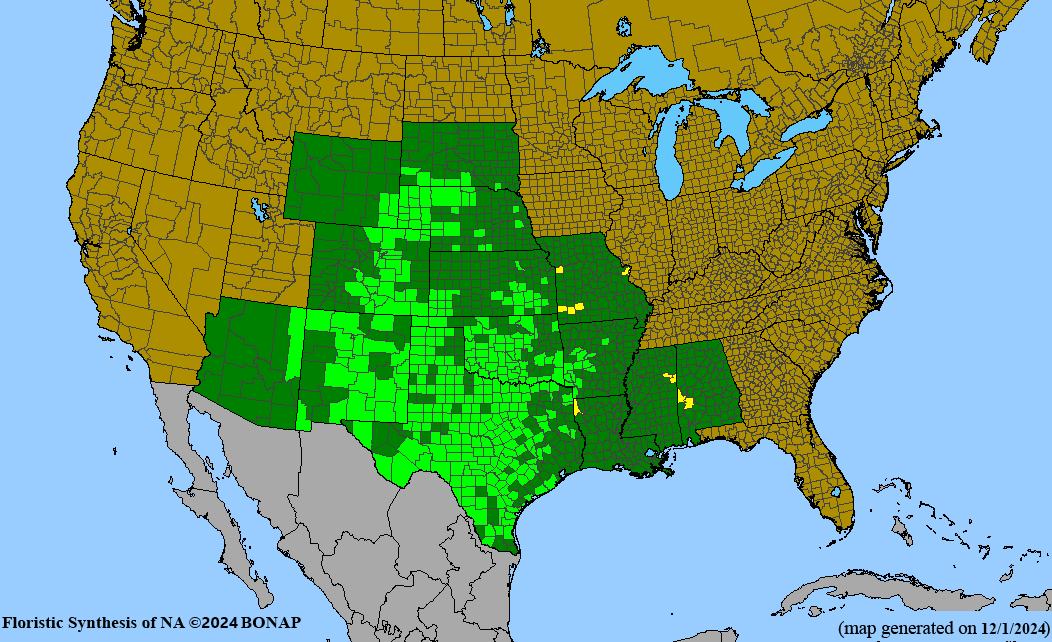
Native Range: Central and southern USA
Habit: Annual or short-lived perennial
Pollinator-friendly: Attracts bees and butterflies
Cultural use: Traditionally brewed into tea by Native American communities
🌱 Sowing Options
1️⃣ Direct Sowing Outdoors
Ideal Timing:
Fall (preferred in warmer climates): Seeds undergo natural cold stratification.
Early Spring (cool climates): As soon as soil is workable.
Site Selection:
Sunlight: Full sun (at least 6-8 hours/day)
Soil Type: Well-drained soil; tolerates sandy, rocky, or loamy soils.
pH: Neutral to slightly alkaline (6.5–8.0)
Soil Preparation:
Remove weeds and debris.
Loosen soil to a depth of 6–8 inches.
Avoid overly rich soil; Greenthread prefers leaner conditions.
Planting Depth:
Surface sow or no deeper than 1/8 inch (3 mm) – seeds need light for germination.
Watering:
Water lightly after sowing.
Keep soil moist (but not soggy) until germination, then reduce watering as seedlings establish.
Stratification/Scarification:
Cold stratification not strictly required but may enhance germination rates.
Optional: Refrigerate seeds in moist sand for 30 days prior to spring sowing.
Scarification: Not needed.
2️⃣ Starting Seeds Indoors
Ideal Timing:
Start seeds indoors 6–8 weeks before your last expected frost date.
Setup:
Use a seed tray or small pots with a well-draining seed-starting mix.
Lightly press seeds onto surface or cover with a fine dusting of soil (1/8 inch max).
Place under grow lights or in a sunny window (14–16 hours/day light ideal).
Watering Indoors:
Mist or water from the bottom to avoid disturbing seeds.
Keep soil lightly moist until germination (usually 10–21 days).
Transplanting Outdoors:
Harden off seedlings over 7–10 days before transplanting.
Transplant to full-sun location after last frost when soil is warm.
🔧 Maintenance Tips
Drought tolerant once established.
Minimal watering needed unless extreme drought.
Deadheading can promote longer bloom period.
No fertilizer needed; excessive nutrients reduce flowering.
Mulching is optional – too much mulch may hinder germination in direct sowing.
🚫 Invasiveness
Not considered invasive.
Naturalizes modestly in appropriate conditions but does not aggressively spread or crowd out native plants.