Meadow Blazing Star Seeds (Liatris ligulistylis) - Native Wildflower
- Free delivery on orders over $50
- In stock, ready to ship
- Inventory on the way
Spectacular Prairie Beauty - Meadow Blazing Star
Meadow Blazing Star (Liatris ligulistylis) is a magnificent native perennial that creates stunning vertical displays of vibrant purple-pink flower spikes. This prairie jewel is renowned for its exceptional ability to attract butterflies and other pollinators, making it an essential component of any wildlife-friendly garden.
🦋 Key Benefits:
- Butterfly Magnet: Attracts dozens of butterfly species, especially Monarchs and Swallowtails
- Impressive Height: Grows 3-5 feet tall, creating dramatic vertical interest
- Long Bloom Period: Flowers from mid-summer through fall
- Pollinator Paradise: Attracts bees, butterflies, and beneficial insects
- Drought Tolerant: Deep taproot provides excellent drought resistance
- Cut Flower Excellence: Long-lasting blooms perfect for arrangements
🌱 Plant Characteristics:
- Height: 3-5 feet tall, 1-2 feet wide
- Bloom Time: Mid-summer through fall
- Flowers: Dense spikes of vibrant purple-pink blooms that open from top to bottom
- Foliage: Narrow, grass-like leaves arranged alternately on stems
- Light: Full sun (essential for best performance)
- Soil: Well-draining prairie soils, tolerates poor conditions
- Zones: 3-8
🎯 Perfect For:
- Butterfly and pollinator gardens
- Prairie restoration and native plant landscapes
- Cut flower and cottage gardens
- Mass plantings for dramatic impact
- Naturalized meadows and grasslands
- Wildlife habitat creation
Growing Tips: Direct sow in fall or early spring. Seeds benefit from cold stratification. Plants develop deep taproots and may take 2 years to reach full size but are very long-lived once established.
Each packet contains fresh, viable seeds with detailed growing instructions. Sustainably sourced from native Great Plains populations.
Here are complete planting instructions for Liatris ligulistylis (commonly known as Meadow Blazing Star or Rocky Mountain Blazing Star) for direct sowing outdoors in fall/spring and starting seeds indoors for spring transplanting, suited for conditions in the USA:
🌿 GENERAL OVERVIEW
Botanical name: Liatris ligulistylis
Common names: Meadow Blazing Star, Rocky Mountain Blazing Star
Plant type: Herbaceous perennial wildflower
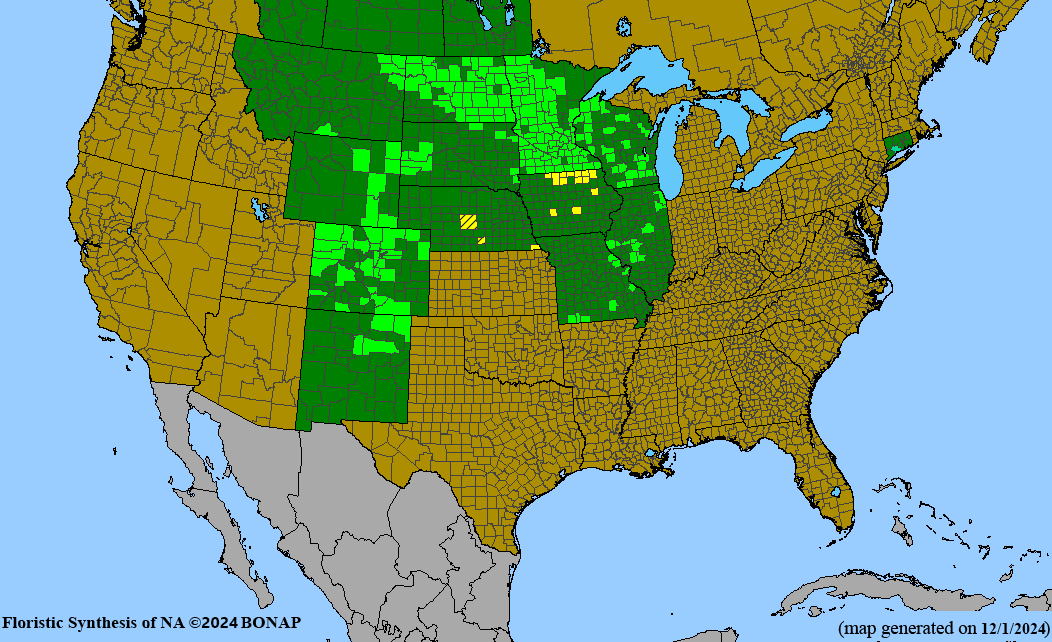
Native to: Central and northern USA
Bloom time: Mid-to-late summer (July–September)
Pollinator magnet: Especially popular with monarch butterflies
☀️ Site Selection & Sun Requirements
Sunlight: Full sun (6–8+ hours/day) is ideal.
Tolerates light partial sun, but will be less vigorous and produce fewer flowers.
Soil Type: Prefers well-drained soil; tolerates sandy, loamy, or even gravelly soils.
Soil pH: Neutral to slightly acidic
🌱 Soil Preparation
Loosen soil to a depth of 6–10 inches.
Remove weeds, grasses, and debris.
Improve poor soils by adding compost or organic matter, but avoid overly rich soil (which may cause floppy growth).
Drainage is key – Liatris does not like wet feet or heavy clay.
🌾 Sowing Outdoors – Fall or Spring
Fall Sowing (Recommended)
When: Late fall, after first frost but before ground freezes.
Why: Mimics natural stratification; winter moisture and cold trigger spring germination.
How:
Broadcast seeds or place individually on prepared soil.
Press lightly into soil or cover with 1/8 inch of soil.
Do not bury deeply – seeds need light and air.
Water lightly if the soil is dry; natural precipitation will take over.
Spring Sowing
When: Early spring after frost, or after proper stratification indoors.
Stratification required: Yes – see below.
How:
Prepare soil and sow seeds as above.
Maintain moisture until germination.
Germination may be slower and less uniform without stratification.
🌱 Indoor Seed Starting (for Spring Transplanting)
When to start: 8–10 weeks before last frost date
Stratification needed: Yes
Cold moist stratification for 30–60 days improves germination.
To stratify: mix seeds with damp vermiculite or peat moss in a sealed bag, refrigerate at 34-40°F for at least 4-6 weeks.
Sowing:
Sow seeds on surface of seed-starting mix and press lightly.
Cover with a thin dusting of soil (1/8 inch or less).
Keep moist and warm (65-75°F) after stratification.
Germination occurs in 15-30 days, sometimes longer.
Transplanting: Harden off seedlings and plant outside after last frost.
💧 Watering
During germination and establishment: Keep soil consistently moist (but not soggy).
After establishment: Very drought tolerant – water only during long dry spells.
Overwatering or poor drainage can lead to root rot.
🌱 Scarification
Not required.
✂️ Maintenance Tips
Low maintenance once established.
Optional: stake plants if they grow tall and floppy in rich soil.
Deadheading not necessary – attractive seed heads and good for wildlife.
Cut stems down in late fall or early spring if desired.
Long-lived plant, develops a corm/tuberous root system.
Slow to establish in year 1, but much showier from year 2 onward.
❌ Is it Invasive?
Not invasive.
May lightly self-seed, but is not aggressive and is easy to manage.
Native to many US regions and integrates well in native plant gardens and prairie restorations.
🌸 Other Notes
Extremely valuable for monarch butterflies – one of the best nectar sources.
Good companion for other native prairie plants (e.g., Echinacea, Rudbeckia, Asclepias).
Suitable for meadow gardens, pollinator patches, and naturalized areas.