Mountain Garland Seeds (Clarkia unguiculata) - Native Wildflower
- Free delivery on orders over $50
- In stock, ready to ship
- Inventory on the way
Delicate Mountain Beauty - Mountain Garland
Mountain Garland (Clarkia unguiculata), also known as Elegant Clarkia, is a charming native annual that produces masses of delicate, papery flowers in shades of pink, purple, and white. This graceful wildflower creates stunning displays reminiscent of old-fashioned cottage gardens while providing valuable habitat for pollinators.
🌸 Key Benefits:
- Cottage Garden Charm: Delicate, papery flowers in soft pastel colors
- Long Bloom Season: Flowers from late spring through summer
- Cool Weather Lover: Thrives in mild temperatures and coastal conditions
- Pollinator Friendly: Attracts butterflies, bees, and beneficial insects
- Cut Flower Excellence: Delicate blooms perfect for bouquets and arrangements
- Self-Seeding: Annual that readily reseeds for continuous displays
🌱 Plant Characteristics:
- Height: 2-4 feet tall, 1-2 feet wide
- Bloom Time: Late spring through summer
- Flowers: Delicate 4-petaled blooms in pink, purple, and white
- Foliage: Narrow, lance-shaped leaves on slender stems
- Light: Full sun to partial shade
- Soil: Well-draining, moderately fertile soils
- Zones: 2-10 (annual)
🎯 Perfect For:
- Cottage and cutting gardens
- Wildflower meadows and naturalized areas
- Pollinator habitat creation
- Cool climate gardens and coastal areas
- Mixed borders and informal plantings
- Children's gardens (easy to grow)
Growing Tips: Direct sow in fall or early spring. Seeds germinate best in cool weather. Plants prefer moderate temperatures and may struggle in extreme heat. Excellent for cool, coastal climates.
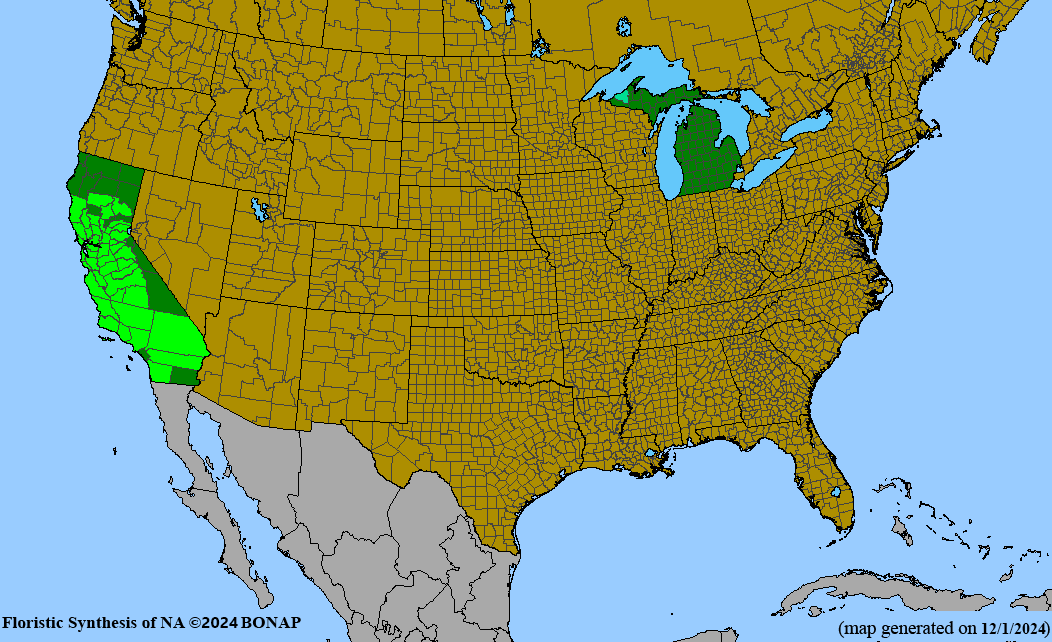
Each packet contains fresh, viable seeds with detailed growing instructions. Sustainably sourced from native Western populations.
1. Direct Sowing Outdoors
Site Selection & Sun Requirements
Location:
Ideal for meadows, wildflower gardens, and naturalized areas.
Sunlight:
Requires full sun—at least 6 hours of direct sunlight daily.
Soil:
Best grown in well-drained, sandy or loamy soils.
If using heavy clay soils, amend with sand and compost.
pH Preference:
Neutral to slightly acidic (around 6.0–7.5).
Soil Preparation
Loosen the soil to a depth of 4–6 inches using a rake or garden fork.
Remove weeds, debris, and large clumps.
If the soil is poor, mix in a small amount of compost, but avoid excess fertilizer.
Seed Preparation
Light Requirement for Germination:
Seeds need light to germinate, so do not bury them deep.
Stratification:
Not required for either fall or spring sowing—natural outdoor conditions are sufficient.
Scarification:
Not needed.
Optional Pre-soaking:
Soaking seeds for a few hours can help speed up germination, but it is not essential.
Planting Instructions
Planting Depth:
Scatter seeds on the soil surface or press them lightly into the soil—cover them no deeper than 1/8 inch.
Spacing:
Aim to space seeds about 6–12 inches apart. Thin out seedlings later if they are too crowded.
Watering
Immediately After Sowing:
Water lightly to ensure the soil is evenly moist.
During Germination:
Maintain consistent moisture without making the soil soggy. Expect germination in 10–20 days.
After Establishment:
Once seedlings are established, Clarkia is drought-tolerant but benefits from occasional watering during extended dry periods.
Timing for Direct Sowing
Fall Sowing:
Best in regions with mild winters (USDA Zones 7–10). Seeds sown in fall will naturally experience winter conditions that aid germination in spring.
Spring Sowing:
Best for colder climates (USDA Zones 3–6). Sow after the last frost date to avoid frost damage.
2. Indoor Sowing for Spring Transplanting
Starting Seeds Indoors
Timing:
Begin 6–8 weeks before the last expected frost.
Containers & Mix:
Use seed trays or small pots filled with a light, well-draining seed-starting mix.
Planting Method:
Surface sow the seeds and press them lightly onto the soil surface; do not bury them.
Watering:
Mist gently to keep the soil consistently moist but not waterlogged.
Light & Temperature:
Place the containers in a bright area with indirect light or under grow lights.
Maintain temperatures around 60–70°F.
Germination Time:
Expect seeds to germinate within 10–20 days.
Transplanting Seedlings Outdoors
Hardening Off:
Begin acclimating seedlings to outdoor conditions about 1–2 weeks before transplanting. Gradually expose them to full sunlight and outdoor temperatures.
Transplant Timing:
Transplant seedlings after the last frost when they have developed at least two sets of true leaves.
Spacing:
Space transplants 6–12 inches apart in your prepared garden area.
3. Maintenance & Additional Considerations
General Care
Watering:
Maintain regular moisture during establishment; once mature, Elegant Clarkia is relatively drought-tolerant.
Weeding & Mulching:
Keep the area weed-free to reduce competition.
A light mulch can help retain soil moisture and suppress weeds.
Fertilization:
Minimal fertilization is needed. Over-fertilizing may encourage excessive leafy growth at the expense of flowers.
Deadheading:
Remove spent blooms if you wish to extend the flowering period.
Pest Management:
Generally pest-resistant; monitor for aphids or fungal issues during humid conditions.
Invasiveness
Invasiveness:
Clarkia unguiculata is not considered invasive. It may self-seed under favorable conditions, but it does not aggressively spread or dominate a garden.