Purple Prairie Clover Seeds (Dalea purpurea) - Native Wildflower
- Free delivery on orders over $50
- In stock, ready to ship
- Inventory on the way
💜 Experience the Stunning Beauty of Purple Prairie Clover
Discover the spectacular charm of Dalea purpurea, a magnificent native perennial that creates dense spikes of vibrant purple flowers from midsummer through fall. This hardy legume brings both striking beauty and exceptional ecological value to your garden, naturally improving soil while supporting vital pollinators and wildlife.
✨ Key Features:
- Height: 1-3 feet tall with upright, clumping habit
- Bloom Time: July through September (extended blooming)
- Flower Color: Dense spikes of vibrant purple flowers
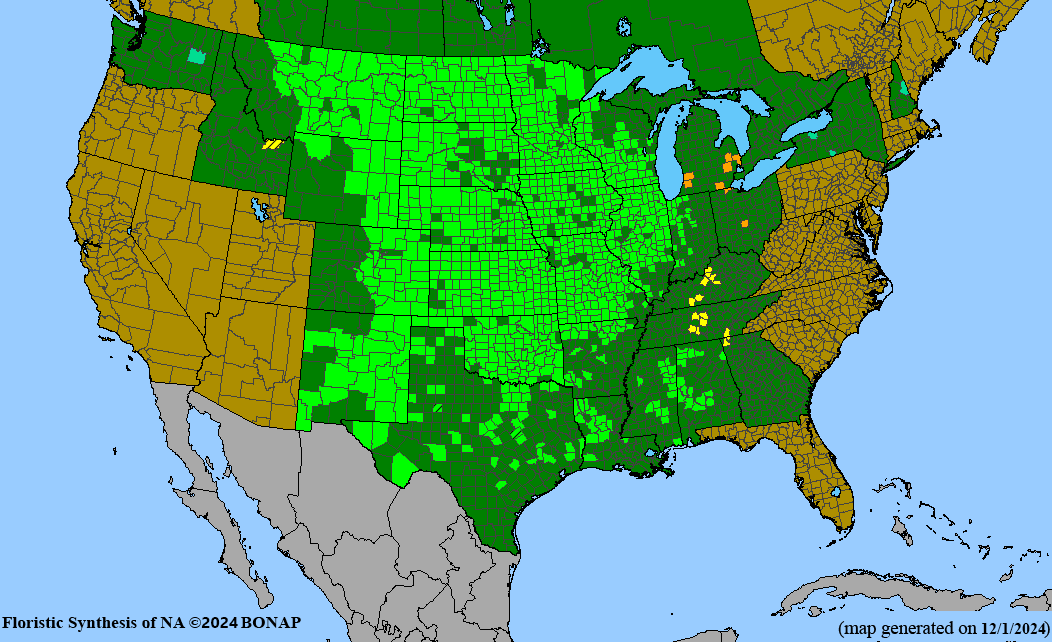
- Native Range: Central North America
- Hardiness: USDA Zones 3-8
- Sun Requirements: Full sun
🦋 Outstanding Wildlife Benefits:
- Essential nectar source for butterflies, native bees, and beneficial insects
- Nitrogen-fixing legume that naturally improves soil fertility
- Attracts over 30 species of native bees and butterflies
- Seeds provide food for birds through fall and winter
- Deer resistant due to natural compounds
🌱 Easy Growing Guide:
- Soil: Well-drained soils, excellent for poor and sandy conditions
- Drought Tolerance: Exceptional once established
- Maintenance: Low maintenance, long-lived perennial
- Germination: Scarification recommended for best results
- Spacing: Plant 12-18 inches apart for natural drifts
🌿 Ecological Benefits:
As a nitrogen-fixing legume, Purple Prairie Clover naturally enriches soil while requiring no fertilizers. Perfect for sustainable gardening and prairie restoration projects.
Create stunning prairie displays while supporting native ecosystems and improving soil health. This remarkable native brings both beauty and essential ecological benefits to sustainable gardens.
Here's a comprehensive guide to planting Dalea purpurea (Purple Prairie Clover) in the USA:
Site Selection
Sunlight: Dalea purpurea thrives in full sun, needing at least 6 hours of direct sunlight daily.
Soil: It adapts to various soil types, including sandy, loamy, and clay soils. However, well-drained soil is crucial.
Location: Choose a spot where the plant can receive ample sunlight and where water doesn't pool.
Soil Preparation
Clean the area: Remove any weeds, rocks, or debris from the planting site.
Loosen the soil: If the soil is compacted, loosen it with a garden fork or tiller to a depth of about 6 inches.
Amend the soil: While Dalea purpurea can tolerate various soil types, adding compost or well-rotted manure can improve soil fertility and drainage.
Planting
Sowing outdoors in fall:
Sow seeds in late fall, before the first frost.
Prepare a clean, weed-free seedbed.
Sow seeds lightly, covering them with only 1/16 inch of soil.
Seeds will lie dormant over winter and germinate in spring.
Sowing outdoors in spring:
Sow seeds in early spring, after the last frost.
Prepare the seedbed as described above.
Sow seeds lightly, covering them with only 1/16 inch of soil.
Keep the soil consistently moist until germination.
Starting seeds indoors (for later transplanting):
Start seeds 6-8 weeks before the last expected frost in your area.
Sow seeds in pots or trays filled with seed-starting mix.
Plant seeds 1/8 inch deep.
Keep the soil moist and provide adequate light.
Transplant seedlings outdoors in spring after the last frost, spacing them about 1 foot apart.
Stratification
Need: Dalea purpurea seeds benefit from stratification to improve germination rates.
Method:
Mix seeds with moist sand or vermiculite in a sealed container or bag.
Store the container in the refrigerator for 4-6 weeks.
Sow seeds after stratification.
Scarification
Need: Scarification, which involves lightly scratching or nicking the seed coat, can also improve germination.
Method:
Gently rub seeds with sandpaper or a nail file.
Alternatively, you can soak seeds in hot water for a few minutes.
Watering
Water regularly during the first growing season to help establish the plants.
Once established, Dalea purpurea is drought-tolerant and needs infrequent watering.
Maintenance
Dalea purpurea is a low-maintenance plant.
It does not require fertilization.
Deadheading is not necessary, as the plant self-seeds.
Allow the plant to stand over winter to provide habitat for wildlife.
Invasiveness
Dalea purpurea is not considered invasive. It is a native plant that plays an important role in prairie ecosystems.
Additional Tips
Dalea purpurea attracts pollinators such as bees and butterflies.
It is a good choice for wildflower gardens, meadows, and naturalized areas.
Deer and rabbits may eat the foliage, so consider protecting plants with fencing or repellent if these animals are a problem in your area.