Texas Yellow Star Seeds (Lindheimera texana) - Native Wildflower
- Free delivery on orders over $50
- In stock, ready to ship
- Inventory on the way
Brilliant Native Texas Yellow Star - Golden Prairie Beauty
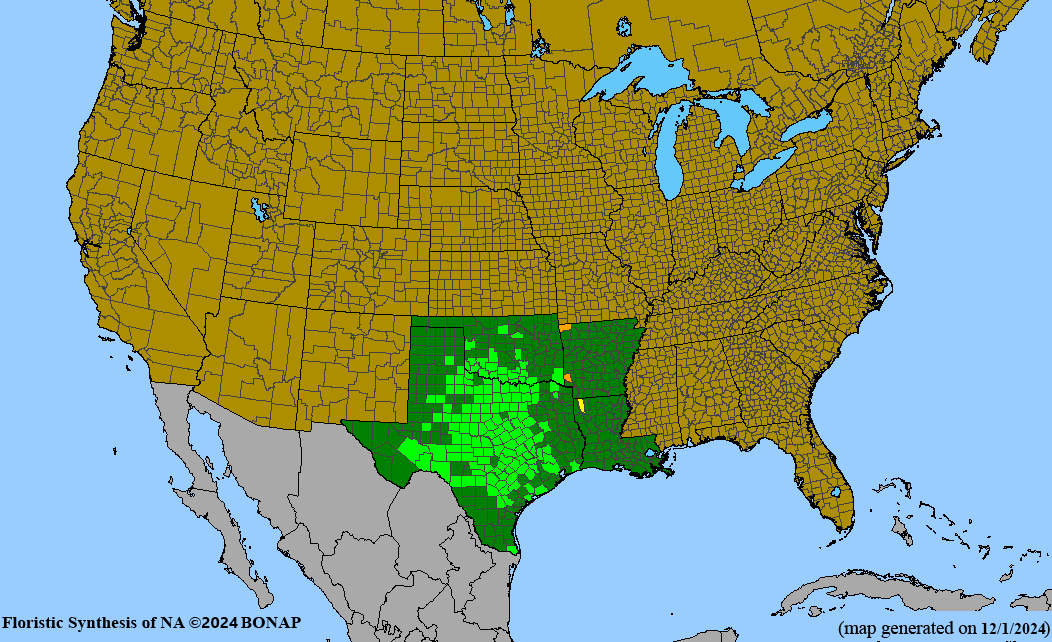
Lindheimera texana, commonly known as Texas Yellow Star or Lindheimer's Daisy, is a charming native annual that brings bright golden-yellow star-shaped flowers to your garden. This delightful Texas endemic creates stunning displays from spring through fall, producing masses of cheerful daisy-like blooms with distinctive pointed petals that truly resemble tiny golden stars scattered across the landscape.
Outstanding Features:
- Texas Endemic: Found naturally only in Texas, making it a true state treasure
- Extended Blooming: Flowers continuously from spring through fall with adequate moisture
- Pollinator Favorite: Attracts butterflies, bees, and beneficial insects
- Heat Tolerant: Thrives in Texas heat and challenging conditions
- Self-Seeding: Readily naturalizes for years of golden displays
Growing Information:
Height: 6-24 inches | Spread: 8-12 inches | Sun: Full sun to partial shade | Soil: Well-draining, adaptable to various soil types | Zones: 8-10
Planting Guide: Direct sow in fall or early spring. Seeds germinate easily with consistent moisture. Prefers well-draining soil and benefits from occasional watering during dry periods.
Create your own piece of authentic Texas heritage while supporting native pollinators with this rare endemic wildflower that embodies the unique botanical treasures of the Lone Star State.
Site Selection
Sunlight: Lindheimera texana thrives in full sun, needing at least 6-8 hours of direct sunlight daily.
Soil: It prefers well-drained soil, and can tolerate a variety of soil types, including sandy, loamy, or clay soils, as long as they are not waterlogged.
Planting Outdoors
Fall Planting:
This is the ideal time to plant in most regions.
Sow seeds in late September or October.
Prepare the soil by loosening it and removing any weeds or debris.
Scatter seeds on the soil surface and lightly cover them with a thin layer of soil (about 1/4 inch deep).
Gently water the area.
Spring Planting:
Sow seeds after the last frost has passed.
Follow the same steps as for fall planting.
Starting Seeds Indoors
Timing: Start seeds 6-8 weeks before the last expected frost in your area.
Containers: Use seed starting trays or small pots with drainage holes.
Soil: Fill containers with a seed starting mix.
Planting: Sow seeds about 1/4 inch deep and lightly cover with soil.
Watering: Keep the soil consistently moist but not waterlogged.
Light: Provide ample light, either from a sunny window or grow lights.
Transplanting: Once seedlings have developed a few sets of true leaves and the weather is warm enough, transplant them outdoors. Space plants about 12-18 inches apart.
Stratification and Scarification
Stratification: Lindheimera texana seeds do no require stratification (cold treatment).
Scarification: Scarification (scratching or nicking the seed coat) is not necessary for this species.
Watering
Water regularly during the first growing season to establish roots.
Once established, Lindheimera texana is drought-tolerant and needs minimal watering.
Allow the soil to dry out slightly between waterings.
Maintenance
Deadhead spent flowers to encourage continuous blooming.
Lindheimera texana is a low-maintenance plant and generally does not require fertilization.
It may self-seed readily.
Invasiveness
Lindheimera texana is not considered invasive. It is a native plant to Texas and other parts of the southern United States.
Additional Tips
Lindheimera texana is a great choice for wildflower gardens, rock gardens, or as a border plant.
It attracts butterflies and other pollinators.
This plant is deer-resistant.