Annual Phlox Red Seeds - Vibrant Summer Blooms (Phlox drummondii)

Regular price$4.00
/
Tax included.

  • Free delivery on orders over $50
  • In stock, ready to ship
  • Inventory on the way

Annual Phlox Red - Brilliant Summer Color

Phlox drummondii, commonly known as Annual Phlox or Drummond's Phlox, is a stunning annual flower that produces masses of vibrant red trumpet-shaped blooms throughout the summer. This compact, mounded plant reaches 10-12 inches high and is beloved by pollinators and gardeners alike for its continuous color and sweet fragrance.

Key Features:

  • Brilliant Red Blooms: Large, trumpet-shaped flowers in vivid red that bloom all summer long
  • Pollinator Magnet: Attracts butterflies, bees, and hummingbirds with nectar-rich flowers
  • Compact Growth: Neat, mounded habit perfect for borders, containers, and mass plantings
  • Long Blooming: Flowers continuously from late spring through summer
  • Easy Care: Low-maintenance annual that thrives in full sun
  • Fragrant: Sweet scent adds another dimension to your garden

Growing Information:

Annual Phlox thrives in full sun and well-drained soil. Perfect for flower beds, borders, containers, and cutting gardens. The vibrant red flowers create stunning displays when planted in masses and provide excellent contrast with other summer annuals. Deadhead spent blooms to encourage continued flowering.

Perfect for: Annual flower gardens, pollinator gardens, container plantings, cutting gardens, and summer color displays.

1. Direct Sowing Outdoors (Fall & Spring)
Site Selection
Choose a site with full sun to partial shade (6+ hours of sunlight per day is ideal).
Prefers well-drained, sandy or loamy soil but adapts to a variety of soil types.
Ideal for garden beds, wildflower meadows, borders, and rock gardens.
Soil Preparation
Loosen soil to a depth of 6-8 inches and remove weeds, debris, and large rocks.
Enrich with compost or organic matter if soil is poor.
Avoid heavy clay or overly wet soils, as they can cause root rot.
Planting Depth & Seed Sowing
Fall Sowing: Recommended in warmer climates (USDA Zones 8-11), allowing seeds to naturally stratify and germinate in spring.
Spring Sowing: In cooler regions (USDA Zones 3-7), sow after the last frost date.
Scarification: Not required.
Stratification: Not required.
Sow seeds on the soil surface and lightly press them down. Do not bury deeply, as they need light to germinate.
Space seeds 6-12 inches apart to allow room for growth.
Watering
Keep soil consistently moist but not soggy until germination occurs (usually 7-21 days).
Once established, water moderately—about 1 inch per week during dry spells.
Maintenance & Growth
Pinch back young seedlings to encourage bushier growth and more blooms.
Deadhead spent flowers to prolong blooming.
Can reseed itself but is not considered invasive.


2. Starting Seeds Indoors for Spring Transplanting
Seed Preparation
Stratification: Not required.
Scarification: Not required.
Start seeds 6-8 weeks before the last frost date.
Sowing Indoors
Use seed-starting trays filled with light, well-draining potting mix.
Sow seeds on the surface and gently press them into the soil. Do not cover with soil, as they need light to germinate.
Light & Temperature Requirements
Place trays in a bright location with 12-16 hours of light daily (grow lights or a sunny window).
Maintain temperatures between 65-75°F (18-24°C).
Germination occurs in 7-21 days.
Transplanting Outdoors
Harden off seedlings for 7-10 days before transplanting by gradually exposing them to outdoor conditions.
Transplant after the last frost date, spacing plants 6-12 inches apart.
Choose a sunny location with well-drained soil.


Maintenance & Growth Control
Watering: Water regularly but avoid overwatering; allow soil to dry slightly between waterings.
Pruning: Pinch back stems for a bushier plant.
Deadheading: Regular removal of faded flowers encourages continued blooming.
Mulching: Apply a light mulch layer to retain soil moisture and suppress weeds.
Invasiveness: Phlox drummondii is not invasive but may reseed itself under ideal conditions

Annual Phlox Red Seeds - Vibrant Summer Blooms (Phlox drummondii)
Grow Level
Yes
Sprouts easily and is extremely hardy. Great for beginner gardeners of all levels!
US Heritage
Native Wildflower
A proud native US wildflower that bees and butterflies adore.
Winter Sleep (Cold Strat)
No Sleep Needed
Ready to sprout! Just plant in warm soil; no pre-chilling needed.
Best Planting Time
Early Spring or Fall
Sow in early spring for summer blooms, or in fall to let nature sow them.
Plant Nature
Perennial
Comes back year after year from the same deep roots!

Seasonal Sowing Advisor

Select the current season in your region to view clear instructions on optimal sowing and plant care activities.

Sprouting in the Springtime

Perfect time to sow! Plant these seeds in warm soil, keep the soil consistently moist but not waterlogged, and monitor for early sprouts.

  • Optimal Soil Temp: Sown seeds germinate best when soil temperatures reach 55 degrees F to 70 degrees F (13 degrees C to 21 degrees C).
  • Moisture Management: Keep the seedbed consistently moist but never soggy to prevent seed rot.
  • Sowing Tip: Mark your seedling rows or sowing areas with plant labels to monitor emergence and avoid accidental weeding.

Growing in the Summer Heat

Summer care: Water deeply in the morning so plants are hydrated before peak heat. Provide afternoon shade in extremely hot climates.

  • Watering Schedule: Water early in the morning to minimize evaporation and prevent fungal diseases.
  • Sun Exposure: Most native varieties thrive in full sun, but check species-specific requirements for heat stress.
  • Pollinator Benefit: Summer blooms act as critical nectar sources for bees, butterflies, and other essential pollinators.

Sowing in the Cool Autumn

Fall sowing: Scatter seeds directly onto clear soil before winter. The natural cold season will naturally stratify and prepare them for spring germination.

  • Direct Seeding: Scatter seeds directly over cleared soil. Press seeds firmly into the ground for optimal seed-to-soil contact.
  • Natural Moisture: Autumn rains and winter snow help settle seeds into the soil, initiating natural cold cycles.
  • Seed Harvesting: Collect mature seed heads from established plants to hand-sow in new areas or store for spring.

Dreaming in the Chilly Winter

Winter stratification: Outdoors, let the seeds undergo natural winter stratification under rain or snow. For early indoor starts, sow under grow lights.

  • Cold Stratification: Outdoor sowing relies on natural cold-moist winter cycles to break seed dormancy.
  • Indoor Starts: If starting early indoors, utilize seed trays under grow lights 6 to 8 weeks before the last frost date.
  • Sowing Tip: Protect outdoor winter-sown beds with light mulch or wire mesh to prevent disturbance by foraging birds or rodents.
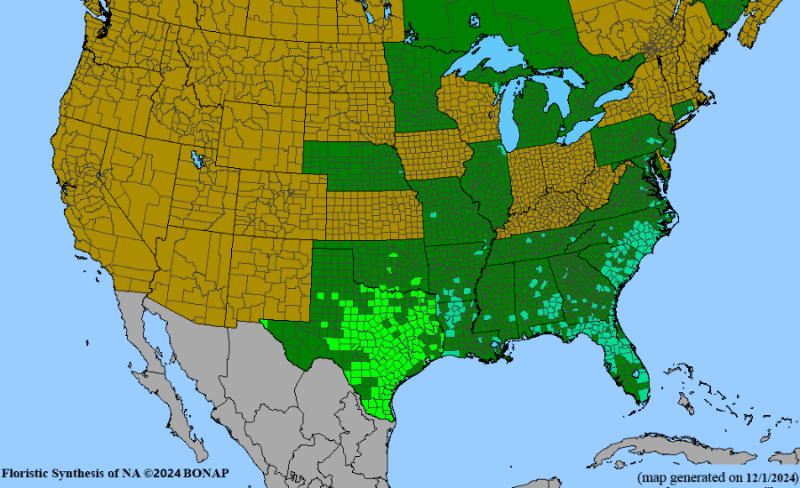
Phlox drummondii
Annual Phlox - Red

Native Plant Map

Dark Green indicates the plant is native within the state,
yellow rare, the lime green indicates where the plant is native and seen more within a state.

Map Credits BONAP©2024

Testimonials

★★★★★

I love Native Sunflowers in my home garden and landscape.

Mary Hoggins
Tyler, Texas
★★★★★

Last year in the Fall, I collected a lot of seeds I planted this year.

Author's name
Dallas, Texas
★★★★★

They really added a big splash of color to the front of my house garden bed. Love them!

Audrey Long
Mobile, Alabama

Recently viewed