Desert Marigold Seeds (Baileya multiradiata) - Native Wildflower
- Free delivery on orders over $50
- In stock, ready to ship
- Inventory on the way
Bring Desert Sunshine to Your Garden: Desert Marigold
Transform your landscape with the golden beauty of Desert Marigold (Baileya multiradiata), a resilient native wildflower that thrives in the harshest conditions. These remarkable seeds produce cheerful bright yellow daisy-like flowers that bloom continuously from spring through fall, creating a carpet of sunshine in your garden.
Why Desert Marigold is Perfect for Your Garden
- Continuous Blooms: Bright yellow flowers from spring through fall - months of color
- Extreme Drought Tolerance: Thrives in desert conditions with minimal water
- Heat Champion: Flourishes in intense heat where other flowers fail
- Low Maintenance: Perfect for xeriscaping and water-wise gardening
- Pollinator Magnet: Attracts bees, butterflies, and beneficial desert insects
- Self-Seeding: Returns year after year, naturalizing beautifully
Growing Information
Bloom Time: March through November
Height: 1-2 feet
Spacing: 8-12 inches apart
Sun Requirements: Full sun
Water Needs: Very low once established
Soil: Well-draining, sandy or rocky soil preferred
Planting Instructions
Direct sow seeds in fall or early spring. Scatter on prepared soil and lightly rake in. Seeds germinate quickly with moisture. Perfect for desert gardens, rock gardens, wildflower meadows, and xeriscaping projects.
Experience the resilient beauty of the Southwest desert with these cheerful, long-blooming native wildflowers.
🌼 Overview of Baileya multiradiata (Desert Marigold)
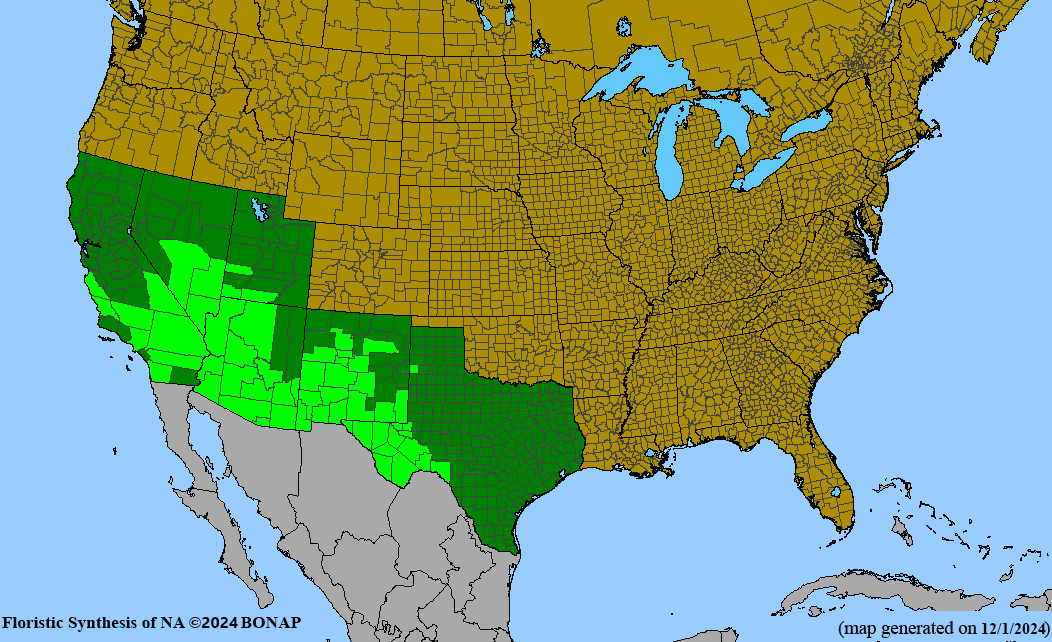
Native Range: Southwestern U.S. and northern Mexico (desert and arid regions)
Life Cycle: Perennial or short-lived perennial (sometimes grown as annual in cooler areas)
Height: 1–2 feet
Bloom Time: Spring to fall in warm climates
Ecological Value: Supports pollinators, excellent for xeriscaping
Appearance: Silvery foliage, bright yellow daisy-like blooms
🌱 Sowing Options
1️⃣ Direct Sowing Outdoors
Best Time to Sow:
Fall: Ideal in mild-winter/desert regions (zones 8–10); seeds overwinter and bloom early.
Early Spring: In cooler regions after danger of frost has passed and soil begins to warm.
Site Selection:
Sunlight: Full sun is essential (minimum 6–8 hours/day).
Soil: Prefers sandy, gravelly, or rocky soil – must be well-drained.
Soil pH: Neutral to slightly alkaline (6.5–8.0)
Soil Preparation:
Loosen soil to 4–6 inches deep.
Remove weeds, rocks, and debris.
Avoid compost or rich amendments — thrives in lean, dry soil.
Planting Depth:
Surface sow or cover lightly with soil or sand (~1/16–1/8 inch).
Light exposure helps germination.
Watering:
Water gently after sowing.
Keep soil lightly moist (not wet) until germination (7–21 days).
Once established, water sparingly — drought tolerant.
Stratification:
Not required.
Germinates easily without cold treatment, especially in warm climates.
Scarification:
Not needed.
2️⃣ Starting Seeds Indoors (Spring Transplanting)
When to Start:
4–6 weeks before last frost date.
Growing Setup:
Use a well-draining seed-starting mix (add sand or perlite for drainage).
Surface sow seeds or lightly press into the soil.
Provide bright light (sunny window or grow lights for 12–16 hrs/day).
Maintain warmth (~65–75°F) for germination.
Watering Indoors:
Mist or bottom water to keep soil evenly moist (not wet).
Germination usually in 7–14 days.
Transplanting Outdoors:
Harden off for 7–10 days before transplanting outdoors.
Choose a sunny, dry location.
Avoid overwatering after transplant.
🔧 Maintenance Tips
Extremely low-maintenance and drought-tolerant.
No fertilizer needed; performs better in nutrient-poor soils.
Deadheading extends bloom period, but not required.
Can self-sow modestly in favorable desert conditions.
Avoid overwatering — prone to rot in poorly drained soils.
Excellent companion plant in dry native gardens or rock gardens.
🚫 Invasiveness
Not considered invasive.
May reseed locally but does not aggressively spread or displace native vegetation.