Grow Level
Yes
Sprouts easily and is extremely hardy. Great for beginner gardeners of all levels!
US Heritage
Native Wildflower
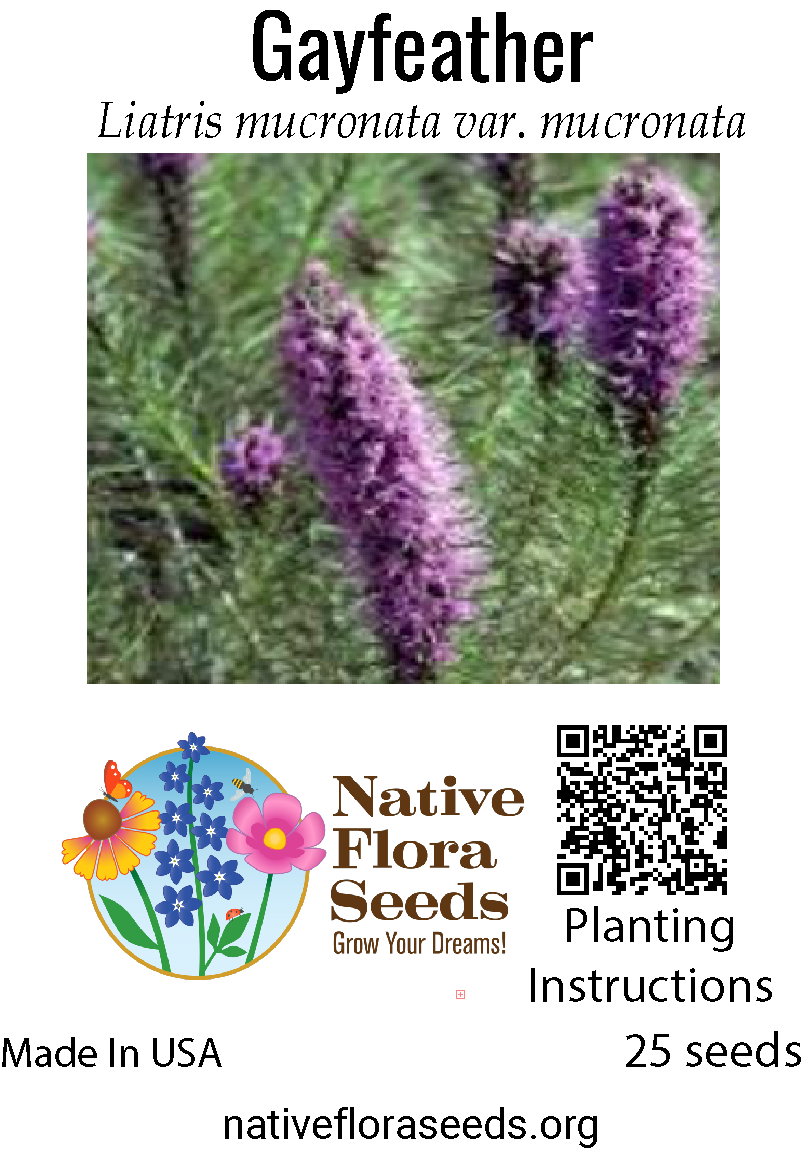
A proud native US wildflower that bees and butterflies adore.
Winter Sleep (Cold Strat)
No Sleep Needed
Ready to sprout! Just plant in warm soil; no pre-chilling needed.
Best Planting Time
Early Spring or Fall
Sow in early spring for summer blooms, or in fall to let nature sow them.
Plant Nature
Perennial
Comes back year after year from the same deep roots!
Seasonal Sowing Advisor
Select the current season in your region to view clear instructions on optimal sowing and plant care activities.
Sprouting in the Springtime
Perfect time to sow! Plant these seeds in warm soil, keep the soil consistently moist but not waterlogged, and monitor for early sprouts.
- Optimal Soil Temp: Sown seeds germinate best when soil temperatures reach 55 degrees F to 70 degrees F (13 degrees C to 21 degrees C).
- Moisture Management: Keep the seedbed consistently moist but never soggy to prevent seed rot.
- Sowing Tip: Mark your seedling rows or sowing areas with plant labels to monitor emergence and avoid accidental weeding.
Growing in the Summer Heat
Summer care: Water deeply in the morning so plants are hydrated before peak heat. Provide afternoon shade in extremely hot climates.
- Watering Schedule: Water early in the morning to minimize evaporation and prevent fungal diseases.
- Sun Exposure: Most native varieties thrive in full sun, but check species-specific requirements for heat stress.
- Pollinator Benefit: Summer blooms act as critical nectar sources for bees, butterflies, and other essential pollinators.
Sowing in the Cool Autumn
Fall sowing: Scatter seeds directly onto clear soil before winter. The natural cold season will naturally stratify and prepare them for spring germination.
- Direct Seeding: Scatter seeds directly over cleared soil. Press seeds firmly into the ground for optimal seed-to-soil contact.
- Natural Moisture: Autumn rains and winter snow help settle seeds into the soil, initiating natural cold cycles.
- Seed Harvesting: Collect mature seed heads from established plants to hand-sow in new areas or store for spring.
Dreaming in the Chilly Winter
Winter stratification: Outdoors, let the seeds undergo natural winter stratification under rain or snow. For early indoor starts, sow under grow lights.
- Cold Stratification: Outdoor sowing relies on natural cold-moist winter cycles to break seed dormancy.
- Indoor Starts: If starting early indoors, utilize seed trays under grow lights 6 to 8 weeks before the last frost date.
- Sowing Tip: Protect outdoor winter-sown beds with light mulch or wire mesh to prevent disturbance by foraging birds or rodents.