Grey-Headed Coneflower

Regular price$4.00
/
Tax included.

  • Free delivery on orders over $50
  • In stock, ready to ship
  • Inventory on the way
Description

Grey-Headed Coneflower (Ratibida pinnata) is a native perennial, growing 3–6 feet tall, blooming in mid to late summer with yellow with drooping petals flowers.

Key Features
Sunlight: Full Sun
Water: Low (drought tolerant once established)
Soil: Well-drained loamy or sandy; tolerates clay

Benefits
Attracts: Bees, Butterflies, Birds

Stratification: Beneficial (30–60 days cold-moist stratification improves germination)

Care: Leave seed heads through winter — birds feed on them. May need staking in rich soil or windy sites.

Height 3–6 feet
Sunlight Full Sun
Water Low (drought tolerant once established)
Bloom Time Mid to Late Summer
Stratification Beneficial (30–60 days cold-moist stratification improves germination)
Soil Well-drained loamy or sandy; tolerates clay
Attracts Bees, Butterflies, Birds

Here is a detailed planting guide for Ratibida pinnata (Gray-headed Coneflower) for direct sowing outdoors (fall and spring) and indoor seed starting for spring transplanting, tailored for native planting and restoration efforts across the USA.

🌿 Ratibida pinnata Planting Instructions
Common Name: Gray-headed Coneflower
Plant Type: Perennial wildflower
Native Range: Central and Eastern North America
Pollinator Value: Excellent — attracts bees, butterflies, and other beneficial insects

☀️ Site Selection & Sunlight Requirements
Sunlight: Thrives in full sun (6–8+ hours/day)
Can tolerate light partial sun, but will have fewer blooms.
Soil Preferences: Prefers well-drained, loamy or sandy soils, but tolerates clay if not waterlogged.
Soil pH: Tolerates a range from slightly acidic to moderately alkaline.

🌱 Soil Preparation
Loosen soil to a depth of 6–10 inches.
Remove competing vegetation, grasses, and debris.
Amend soil only if extremely poor — overly rich soil may cause legginess.
Ensure proper drainage; avoid soggy or compacted soil.

🌾 Direct Sowing Outdoors – Fall or Spring
Fall Sowing
(Recommended)
When: After first frost but before ground freezes.
Why: Seeds benefit from cold moist stratification over winter.
How:
Broadcast seeds on prepared soil.
Press into surface; cover lightly with 1/16 to 1/8 inch of soil.
Water lightly if soil is dry.
Allow winter freeze-thaw cycles to aid germination in spring.
Spring Sowing
When: After last frost when soil is workable.
Stratification: Recommended — 30–60 days of cold moist stratification will significantly improve germination rates.
How:
Sow stratified seeds in early spring.
Press lightly into soil or cover with a thin layer (1/16–1/8 inch) of soil.
Keep soil consistently moist until germination (typically 14–30 days).

🌱 Starting Seeds Indoors for Spring Transplanting
When to Start Indoors: 8–10 weeks before last frost
Stratification Needed: Yes — 30–60 days cold moist stratification
Mix seeds with moist vermiculite or sand and refrigerate at 34–40°F.
Scarification: Not required
Sowing Indoors:
After stratification, sow seeds on soil surface and press in lightly.
Do not deeply bury seeds — they need light for germination.
Maintain temps of 65–75°F.
Germination in 2–4 weeks after stratification.
Transplanting Outdoors: Harden off seedlings and transplant after danger of frost has passed.

💧 Watering
During Germination: Keep soil consistently moist but not saturated.
After Establishment: Moderately drought tolerant — water during extended dry periods for best performance.
Avoid overwatering, especially in heavy soils.

✂️ Maintenance Tips
Low-maintenance once established.
Deadheading is optional — can extend bloom period, but seed heads are attractive to birds.
Cut back stems in late fall or early spring.
May require staking in rich soils or windy sites due to tall growth (3–6+ feet).
Can be divided every 3–5 years if clumps become overcrowded.

❌ Is it Invasive?
Not considered invasive.
Can self-seed modestly, but is easily managed in most settings.
Excellent for meadow plantings, prairie restorations, and pollinator gardens.

🌼 Other Notes
Blooms in mid-to-late summer, often when other early natives have faded.
Works well with:
Liatris spicata, Echinacea purpurea, Coreopsis lanceolata, Monarda fistulosa, Asclepias tuberosa
Perfect for native landscapes, roadside revegetation, wildflower meadows, and butterfly habitats.

Grey Headed Coneflower Seeds - Premium Ratibida pinnata for Prairie Wildflower Gardens - NativeFloraSeeds.org
Grow Level
Yes
Sprouts easily and is extremely hardy. Great for beginner gardeners of all levels!
US Heritage
Native Wildflower
A proud native US wildflower that bees and butterflies adore.
Winter Sleep (Cold Strat)
No Sleep Needed
Ready to sprout! Just plant in warm soil; no pre-chilling needed.
Best Planting Time
Early Spring or Fall
Sow in early spring for summer blooms, or in fall to let nature sow them.
Plant Nature
Perennial
Comes back year after year from the same deep roots!

Seasonal Sowing Advisor

Select the current season in your region to view clear instructions on optimal sowing and plant care activities.

Sprouting in the Springtime

Perfect time to sow! Plant these seeds in warm soil, keep the soil consistently moist but not waterlogged, and monitor for early sprouts.

  • Optimal Soil Temp: Sown seeds germinate best when soil temperatures reach 55 degrees F to 70 degrees F (13 degrees C to 21 degrees C).
  • Moisture Management: Keep the seedbed consistently moist but never soggy to prevent seed rot.
  • Sowing Tip: Mark your seedling rows or sowing areas with plant labels to monitor emergence and avoid accidental weeding.

Growing in the Summer Heat

Summer care: Water deeply in the morning so plants are hydrated before peak heat. Provide afternoon shade in extremely hot climates.

  • Watering Schedule: Water early in the morning to minimize evaporation and prevent fungal diseases.
  • Sun Exposure: Most native varieties thrive in full sun, but check species-specific requirements for heat stress.
  • Pollinator Benefit: Summer blooms act as critical nectar sources for bees, butterflies, and other essential pollinators.

Sowing in the Cool Autumn

Fall sowing: Scatter seeds directly onto clear soil before winter. The natural cold season will naturally stratify and prepare them for spring germination.

  • Direct Seeding: Scatter seeds directly over cleared soil. Press seeds firmly into the ground for optimal seed-to-soil contact.
  • Natural Moisture: Autumn rains and winter snow help settle seeds into the soil, initiating natural cold cycles.
  • Seed Harvesting: Collect mature seed heads from established plants to hand-sow in new areas or store for spring.

Dreaming in the Chilly Winter

Winter stratification: Outdoors, let the seeds undergo natural winter stratification under rain or snow. For early indoor starts, sow under grow lights.

  • Cold Stratification: Outdoor sowing relies on natural cold-moist winter cycles to break seed dormancy.
  • Indoor Starts: If starting early indoors, utilize seed trays under grow lights 6 to 8 weeks before the last frost date.
  • Sowing Tip: Protect outdoor winter-sown beds with light mulch or wire mesh to prevent disturbance by foraging birds or rodents.
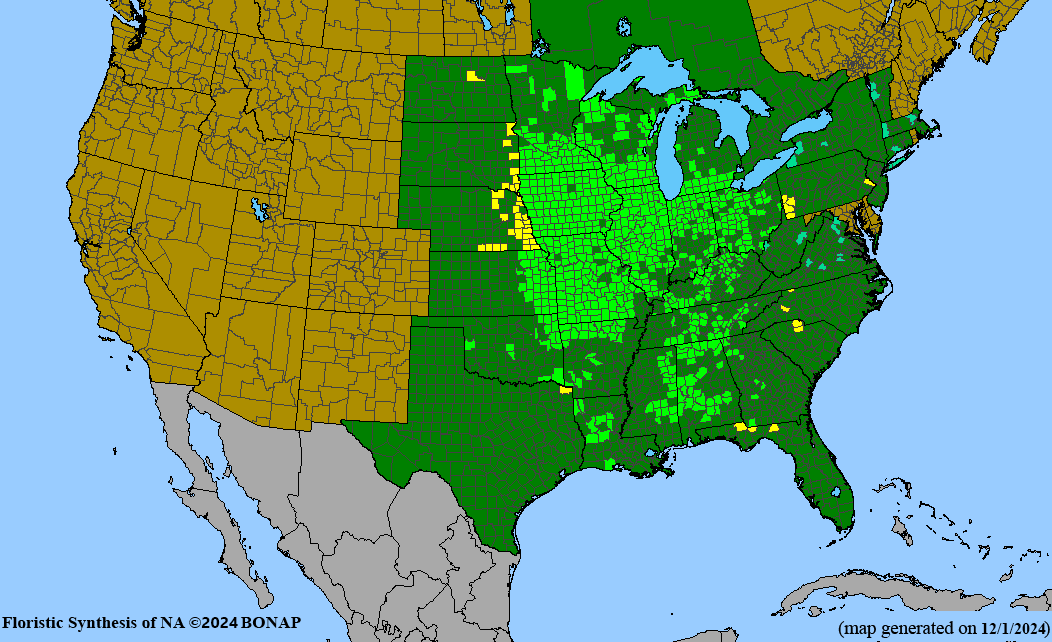
Tatibida pinnata
Grey Headed Coneflower

Native Plant Map

Dark Green indicates the plant is native within the state, yellow rare, the lime green indicates where the plant is native and seen more within a state.

Map Credits BONAP©2024

Testimonials

★★★★★

I love Native Sunflowers in my home garden and landscape.

Mary Hoggins
Tyler, Texas
★★★★★

Last year in the Fall, I collected a lot of seeds I planted this year.

Roger Holmes
Dallas, Texas
★★★★★

They really added a big splash of color to the front of my house garden bed. Love them!

Audrey Long
Mobile, Alabama

You may also like


Recently viewed