Lemon Mint Seeds (Monarda citriodora) - Native Wildflower
- Free delivery on orders over $50
- In stock, ready to ship
- Inventory on the way
Fragrant Native Herb - Lemon Mint
Lemon Mint (Monarda citriodora), also known as Lemon Beebalm or Purple Horsemint, is a delightfully aromatic native annual that brings both beauty and fragrance to herb gardens and wildflower landscapes. When crushed, the leaves release a wonderful lemony scent that makes this plant as useful as it is ornamental.
🌿 Key Benefits:
- Aromatic Foliage: Leaves emit a delightful lemon fragrance when touched or crushed
- Pollinator Paradise: Attracts bees, butterflies, and hummingbirds with nectar-rich flowers
- Culinary Uses: Leaves can be used for herbal teas and seasoning
- Medicinal Heritage: Traditional Native American uses for respiratory and digestive support
- Self-Seeding: Annual that readily reseeds for continuous displays
- Heat Tolerant: Thrives in hot, sunny conditions
🌱 Plant Characteristics:
- Height: 1-2 feet tall, 1 foot wide
- Bloom Time: Summer (June through August)
- Flowers: Lavender to pink tubular blooms in tiered whorls
- Foliage: Opposite, lance-shaped leaves with serrated edges
- Light: Full sun to partial shade
- Soil: Well-draining, adaptable to various soil types
- Zones: 4-9 (annual in most zones)
🎯 Perfect For:
- Herb and culinary gardens
- Pollinator and butterfly gardens
- Native plant landscapes
- Tea gardens and aromatherapy plantings
- Wildflower meadows and naturalized areas
- Educational and demonstration gardens
Growing Tips: Direct sow in spring after last frost. Seeds germinate easily in warm soil. Plants prefer good drainage and full sun for best fragrance and flowering.
Each packet contains fresh, viable seeds with detailed growing instructions. Sustainably sourced from native populations across the Southern United States.
Here are full planting instructions for Monarda citriodora (Lemon Bee Balm, Lemon Mint, or Purple Horsemint) for direct sowing outdoors (fall and spring) and indoor seed starting for transplanting in the USA, including guidance on sunlight, soil, stratification, maintenance, and more.
🌿 GENERAL OVERVIEW
Botanical name: Monarda citriodora
Common names: Lemon Bee Balm, Lemon Mint, Purple Horsemint
Plant type: Annual or short-lived biennial, self-seeding wildflower
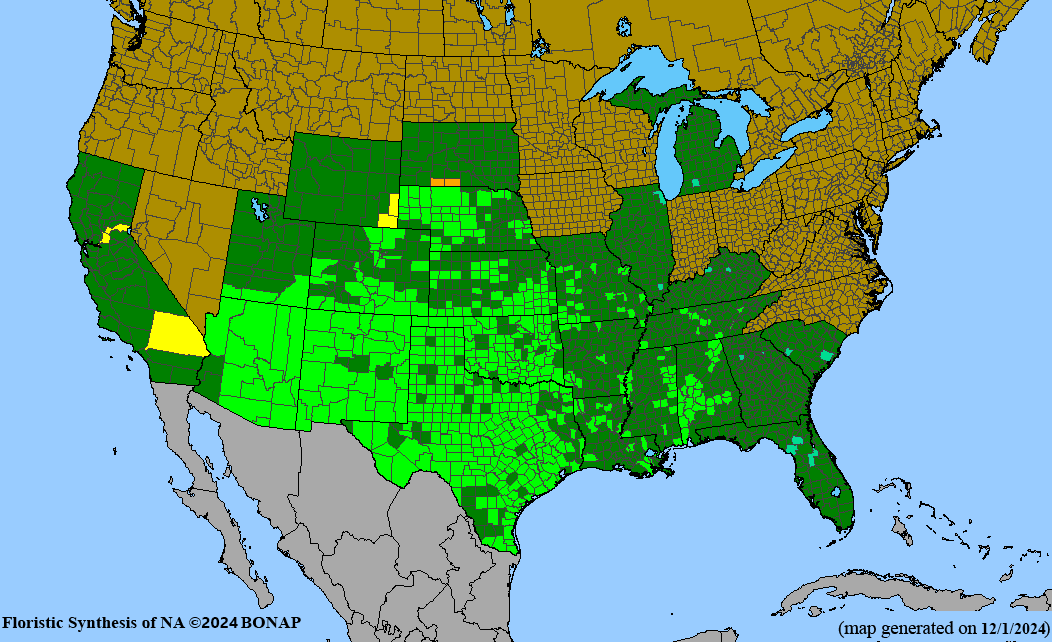
Native to: Central and southern USA (especially Texas and surrounding states)
Bloom time: Late spring through summer
Pollinator-friendly: Attracts bees, butterflies, and hummingbirds
Fragrance: Leaves have a lemony scent
☀️ Site Selection & Sun Requirements
Sunlight: Prefers full sun (6+ hours/day)
Can tolerate partial sun, but blooms less vigorously.
Soil: Adaptable to sandy, loamy, or rocky soil – prefers well-drained conditions.
pH: Neutral to slightly alkaline preferred; tolerates a wide range.
🌱 Soil Preparation
Loosen soil to a depth of 6–8 inches.
Remove weeds and grasses.
Optional: Mix in a small amount of compost to improve structure, especially in very poor soil.
Avoid rich, heavily fertilized soils, which may produce more foliage and less flowering.
🌾 Sowing Outdoors – Fall or Spring
Fall Sowing (Recommended in mild climates)
When: After first frost, but before the ground freezes.
Why: Natural winter stratification improves germination.
How:
Scatter seeds over prepared soil.
Lightly press into soil or cover with a very thin layer (~1/16 inch) of soil or fine mulch.
Water lightly if soil is dry.
Seeds will germinate in spring with warming temps and moisture.
Spring Sowing
When: After last frost or as soon as soil is workable.
Stratification: Not strictly necessary, but a light 1–2 week cold/moist stratification may help improve germination rates.
How:
Sow on the surface of prepared soil.
Press gently or lightly cover with 1/16 inch of soil.
Keep soil evenly moist until germination.
Germination occurs in 7–20 days depending on conditions.
🌱 Indoor Seed Starting (for Spring Transplanting)
When to start indoors: 4–6 weeks before last frost date
Stratification: Not required, but optional 1–2 week cold stratification can help.
Scarification: Not needed
Sowing:
Sow on surface of seed-starting mix; press lightly to ensure contact.
Seeds need light to germinate – do not bury deeply.
Cover trays with a humidity dome or plastic wrap.
Provide bright light or grow lights, and warmth (70–75°F).
Germination in 7–20 days.
Transplanting: Harden off seedlings and transplant after danger of frost has passed.
💧 Watering
During Germination: Keep soil consistently moist (not soggy).
After Establishment: Drought tolerant, only water during prolonged dry periods.
Avoid overwatering or heavy soils to prevent root rot.
✂️ Maintenance Tips
Deadhead to encourage continued blooming (optional).
Plants often self-sow if left to go to seed—can create naturalize stands.
Cut back in fall or leave standing for winter interest and seed-eating birds.
Light fertilization is okay but not necessary.
Replant annually if you don’t want self-seeding.
❌ Is it Invasive?
Not considered invasive.
May self-seed in garden beds, but easy to manage by pulling seedlings or cutting seed heads.
Very useful in pollinator and native plant gardens without spreading aggressively.
🌸 Other Notes
Excellent companion for other native wildflowers like Coreopsis, Echinacea, Gaillardia, Ratibida, etc.
Adds fragrance and color to wildflower meadows, herb gardens, or low-maintenance beds.
Often used in xeriscapes, butterfly gardens, and prairie restoration.