Obedient Plant Seeds (Physostegia virginiana) - Native Wildflower
- Free delivery on orders over $50
- In stock, ready to ship
- Inventory on the way
🌸 Experience the Unique Beauty of Obedient Plant
Discover the fascinating Physostegia virginiana, aptly named the 'Obedient Plant' because its tubular flowers can be gently moved and will stay in their new position! This remarkable native perennial creates stunning spikes of pink to lavender flowers that bloom from late summer into fall, providing crucial nectar when many other flowers have finished blooming.
✨ Key Features:
- Height: 2-4 feet tall with upright spikes
- Bloom Time: Late summer to early fall (August-October)
- Flower Color: Pink to lavender tubular flowers in dense spikes
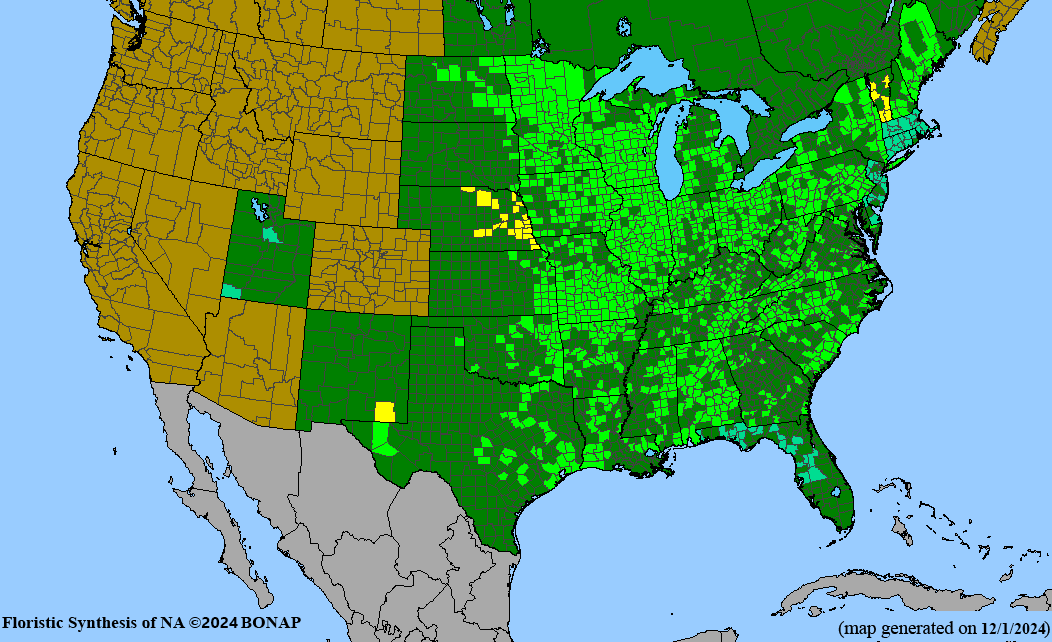
- Native Range: Eastern and Central North America
- Hardiness: USDA Zones 3-9
- Sun Requirements: Full sun to partial shade
🦋 Outstanding Wildlife Benefits:
- Essential late-season nectar source for butterflies, bees, and hummingbirds
- Attracts beneficial insects when few other flowers are available
- Seeds provide food for birds through fall and winter
- Long blooming period extends pollinator season into autumn
- Supports declining native bee populations with rich nectar
🌱 Easy Growing Guide:
- Soil: Adaptable to various soils, prefers moist but well-drained conditions
- Water: Moderate moisture, drought tolerant once established
- Maintenance: Low maintenance, may spread by underground runners
- Germination: Cold stratification recommended for 30-60 days
- Spacing: Plant 12-18 inches apart
🏡 Garden Uses:
Perfect for cottage gardens, rain gardens, naturalized areas, and cutting gardens. The unique 'obedient' flower characteristic makes it a conversation starter and educational plant for children's gardens.
Create stunning late-summer displays while supporting pollinators when they need it most. This charming native brings both beauty and ecological value to sustainable gardens.
Physostegia virginiana, commonly known as Obedient Plant or False Dragonhead, is a charming native perennial with unique flower spikes. Here's a guide to growing it from seed, covering both direct sowing and indoor starting:
Site Selection
Sunlight: Obedient plant thrives in full sun to partial shade. It prefers at least 6 hours of sunlight daily for best flowering. In hotter climates, afternoon shade can be beneficial.
Soil: It adapts to a wide range of soil types, including clay, as long as it's well-drained. However, it prefers moist, moderately fertile soil.
Outdoor Sowing (Fall or Spring)
Timing:
Fall: Sow seeds in late fall, just before the ground freezes. This allows for natural stratification over winter.
Spring: Sow seeds after the last frost, when soil temperatures consistently reach at least 60°F (15°C).
Soil Preparation: Prepare the planting area by loosening the soil and removing any weeds or debris. Amend with compost if needed.
Planting Depth: Sow seeds very shallowly, barely covering them with soil. They need light to germinate.
Spacing: Space seeds about 1 inch apart. Thin seedlings later to 1-2 feet apart.
Watering: Keep the soil consistently moist until germination. Once seedlings emerge, water regularly, especially during dry spells.
Indoor Starting (Spring)
Timing: Start seeds indoors 6-8 weeks before the last expected frost in your area.
Stratification: Obedient plant seeds benefit from cold stratification to improve germination. You can do this by:
Refrigerator Method: Mix seeds with moist sand or vermiculite, place in a plastic bag, and refrigerate for 60 days before sowing.
Winter Sowing: Sow seeds in containers and leave them outdoors over winter.
Sowing: Sow seeds very shallowly in seed starting mix, barely covering them.
Germination: Keep the seed starting mix consistently moist and provide bottom heat if possible (70-75°F or 21-24°C). Germination typically takes 1-3 weeks.
Transplanting: Once seedlings have a few sets of true leaves, transplant them into individual pots. Gradually acclimate them to outdoor conditions before transplanting into the garden after the last frost.
Scarification
Scarification is not necessary for Obedient plant seeds.
Maintenance Tips
Watering: Once established, Obedient plant prefers consistently moist soil but can tolerate some drought.
Fertilizing: It generally doesn't need heavy fertilization. A light application of a balanced fertilizer in spring is sufficient.
Mulching: Apply mulch to retain moisture, suppress weeds, and regulate soil temperature.
Staking: Taller varieties may need staking, especially in rich soil or partial shade, to prevent them from flopping over.
Deadheading: Deadhead spent flowers to prevent self-seeding and encourage more blooms.
Division: Divide clumps every 2-3 years in spring or fall to control spread and rejuvenate plants.
Is Physostegia virginiana invasive?
Obedient plant can be somewhat aggressive, spreading by rhizomes (underground stems). It's not considered invasive in the same way as some other plants, but it can form large colonies over time, potentially crowding out other plants. If you're concerned about its spread, consider planting it in a container or choosing a less vigorous cultivar like 'Miss Manners'.
Additional Notes
Obedient plant attracts pollinators like bees, butterflies, and hummingbirds.
The flowers are unique in that you can twist them on the stem, and they will "obediently" stay in that position.
It makes a good cut flower.