Native Sunflower Seeds (Helianthus annuus) - Native Wildflower
- Free delivery on orders over $50
- In stock, ready to ship
- Inventory on the way
🌻 Grow America's Iconic Native Sunflower
Experience the joy of growing Helianthus annuus, America's beloved native sunflower that has brightened landscapes for thousands of years. These seeds produce magnificent golden blooms that can reach 6-10 feet tall, creating stunning focal points in any garden while providing essential resources for wildlife.
✨ Key Features:
- Height: 6-10 feet tall with impressive 6-12 inch flower heads
- Bloom Time: Mid-summer through early fall
- Flower Color: Brilliant golden-yellow petals with dark centers
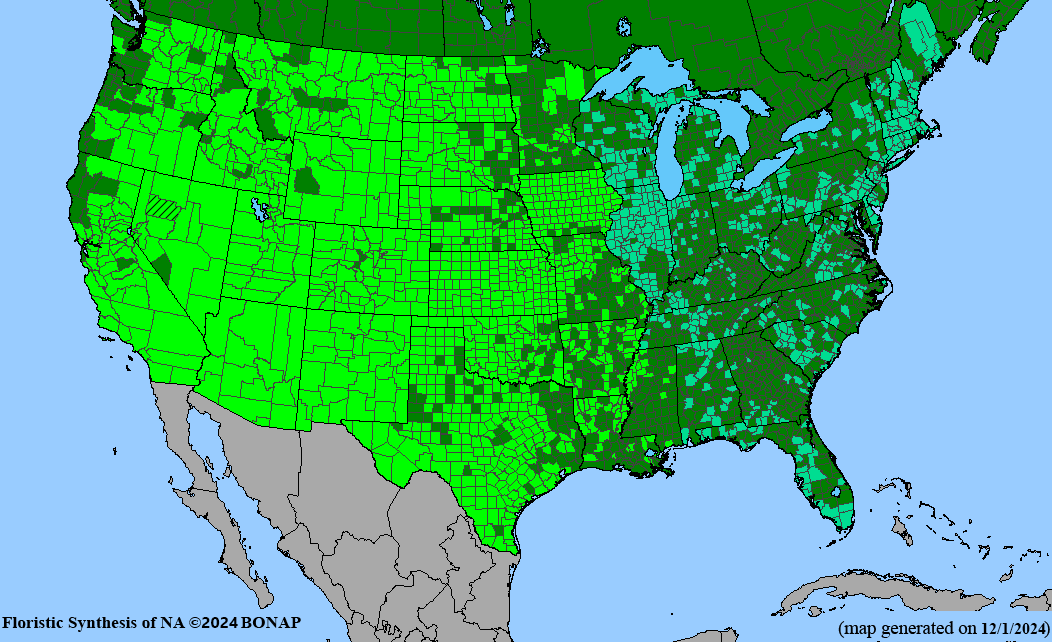
- Native Range: Throughout North America
- Hardiness: Annual, USDA Zones 2-11
- Sun Requirements: Full sun (6+ hours daily)
🦋 Outstanding Wildlife Benefits:
- Attracts over 70 species of birds including goldfinches, cardinals, and chickadees
- Essential nectar source for native bees, butterflies, and beneficial insects
- Seeds provide high-energy food for wildlife through fall and winter
- Large flower heads support multiple pollinators simultaneously
- Creates natural bird feeding stations in your garden
🌱 Easy Growing Guide:
- Soil: Well-drained soil, tolerates poor conditions
- Spacing: Plant 12-18 inches apart for best results
- Germination: Direct sow in spring after frost danger passes
- Water: Drought tolerant once established
- Maintenance: Minimal care required, self-seeding
Perfect for children's gardens, cutting gardens, wildlife habitats, and prairie restorations. These cheerful giants bring joy to gardeners while supporting native ecosystems and providing natural bird food.
Here's a guide to planting sunflower seeds (Helianthus annuus) in the USA, covering both direct sowing and starting seeds indoors:
Site Selection
Sunlight: Sunflowers thrive in full sun, needing at least 6-8 hours of direct sunlight daily. Choose a sunny spot in your garden.
Soil: Sunflowers prefer well-drained soil. They can tolerate various soil types but will do best in fertile, loamy soil.
Soil Preparation
Amendments: Before planting, improve your soil by adding compost or well-rotted manure. This will provide nutrients and improve drainage.
pH: Sunflowers prefer a soil pH slightly on the acidic side, ideally between 6.0 and 6.8.
Planting
Direct Sowing (Fall or Spring)
Timing:
Fall: In warmer climates, you can sow seeds in the fall for blooms the following spring.
Spring: The most common time to plant sunflowers is in the spring, after the last frost has passed.
Depth: Plant seeds about 1 inch deep.
Spacing: Space seeds about 6 inches apart for smaller varieties and 1-2 feet apart for larger varieties.
Starting Seeds Indoors (Spring)
Timing: Start seeds indoors 3-4 weeks before the last expected frost in your area.
Containers: Use biodegradable pots to avoid disturbing the roots when transplanting.
Depth: Plant seeds about 1 inch deep.
Light: Provide ample light for seedlings. A sunny window or grow lights work well.
Watering
Keep the soil consistently moist until seeds germinate and seedlings are established.
Once established, sunflowers are relatively drought-tolerant but will benefit from occasional deep watering, especially during hot, dry periods.
Stratification and Scarification
Stratification: Sunflowers do not require stratification (a period of cold dormancy) for germination.
Scarification: Scarification (scratching or nicking the seed coat) is not necessary for sunflower seeds.
Maintenance
Thinning: Once seedlings have a few sets of true leaves, thin them to the recommended spacing.
Weeding: Keep the area around sunflowers free of weeds, especially when they are young.
Support: Taller varieties may need staking to prevent them from falling over, especially in windy areas.
Fertilizing: Sunflowers are heavy feeders. Apply a balanced fertilizer when plants are about 2 feet tall.
Invasiveness
Sunflowers are not considered invasive in most of the USA. They are annuals, meaning they complete their life cycle in one year and do not spread aggressively.
Additional Tips
Pest and Disease Control: Watch for common sunflower pests like sunflower moths and birds. Protect seeds and young plants with netting if needed.
Succession Planting: To extend the blooming period, sow seeds in batches every few weeks.
Harvesting Seeds: If you want to harvest sunflower seeds, allow the flower heads to mature fully and turn brown.